
Opening gallery...
Volkswagen Taigun FaceliftUpcoming
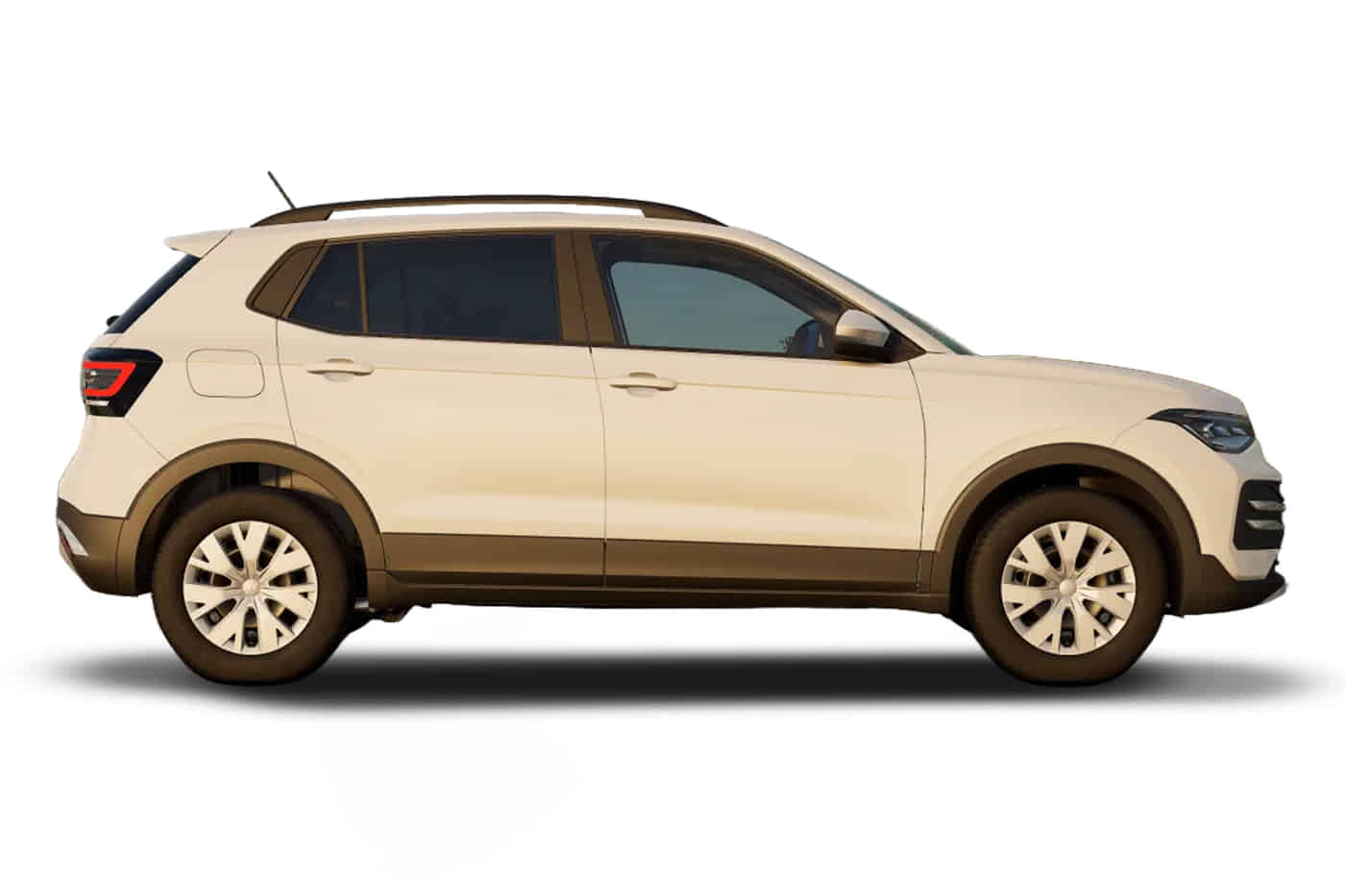
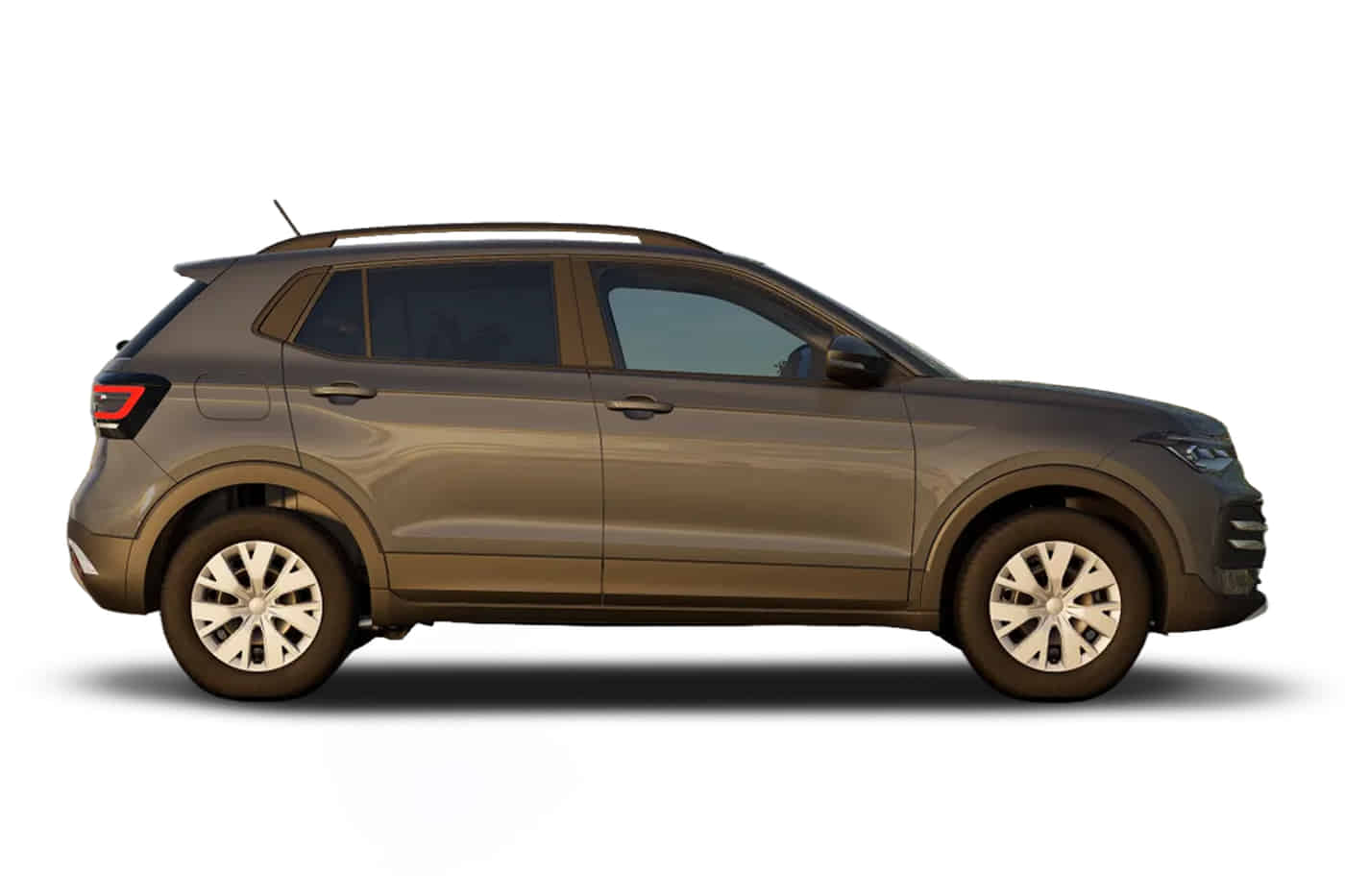
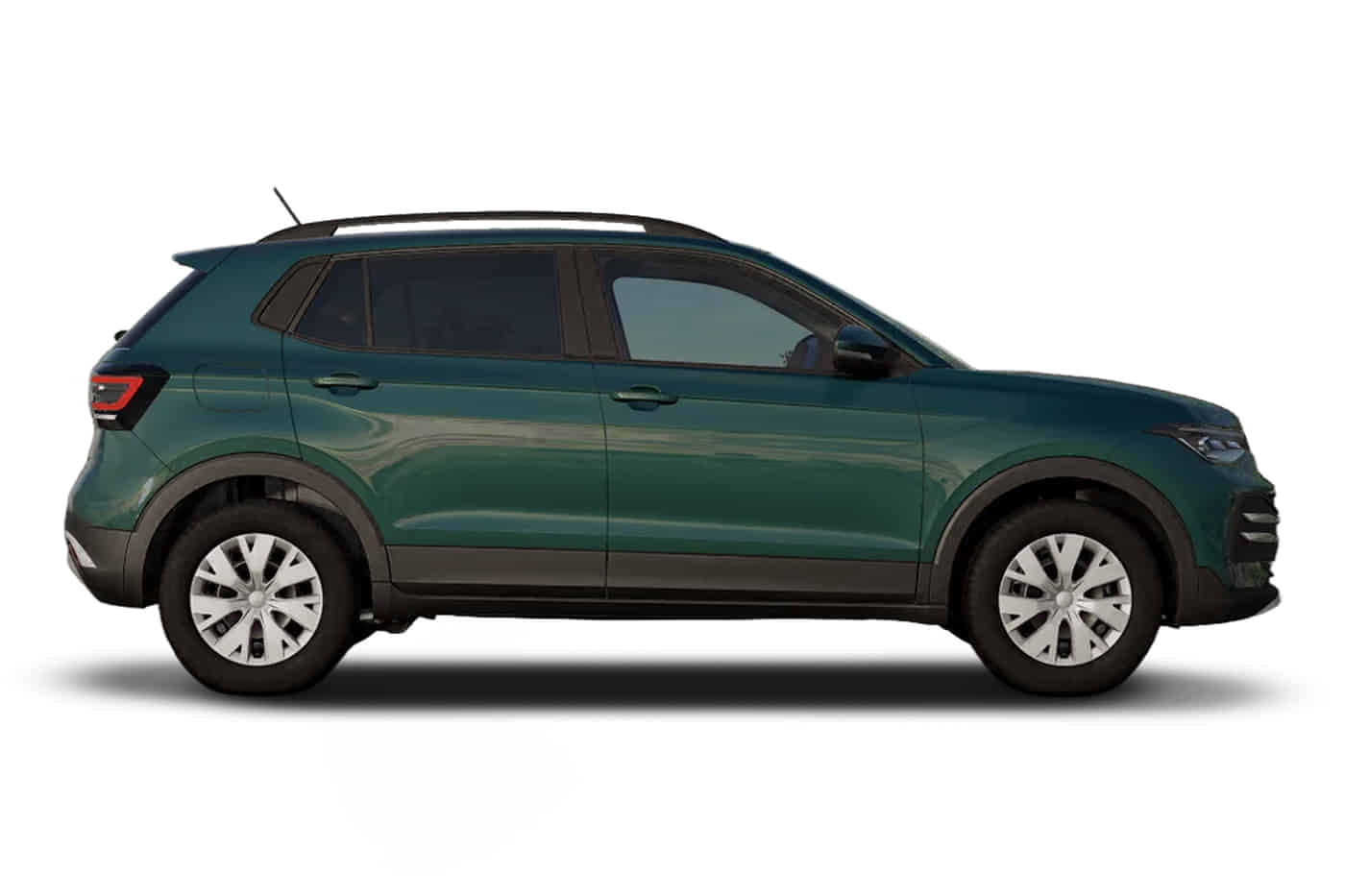
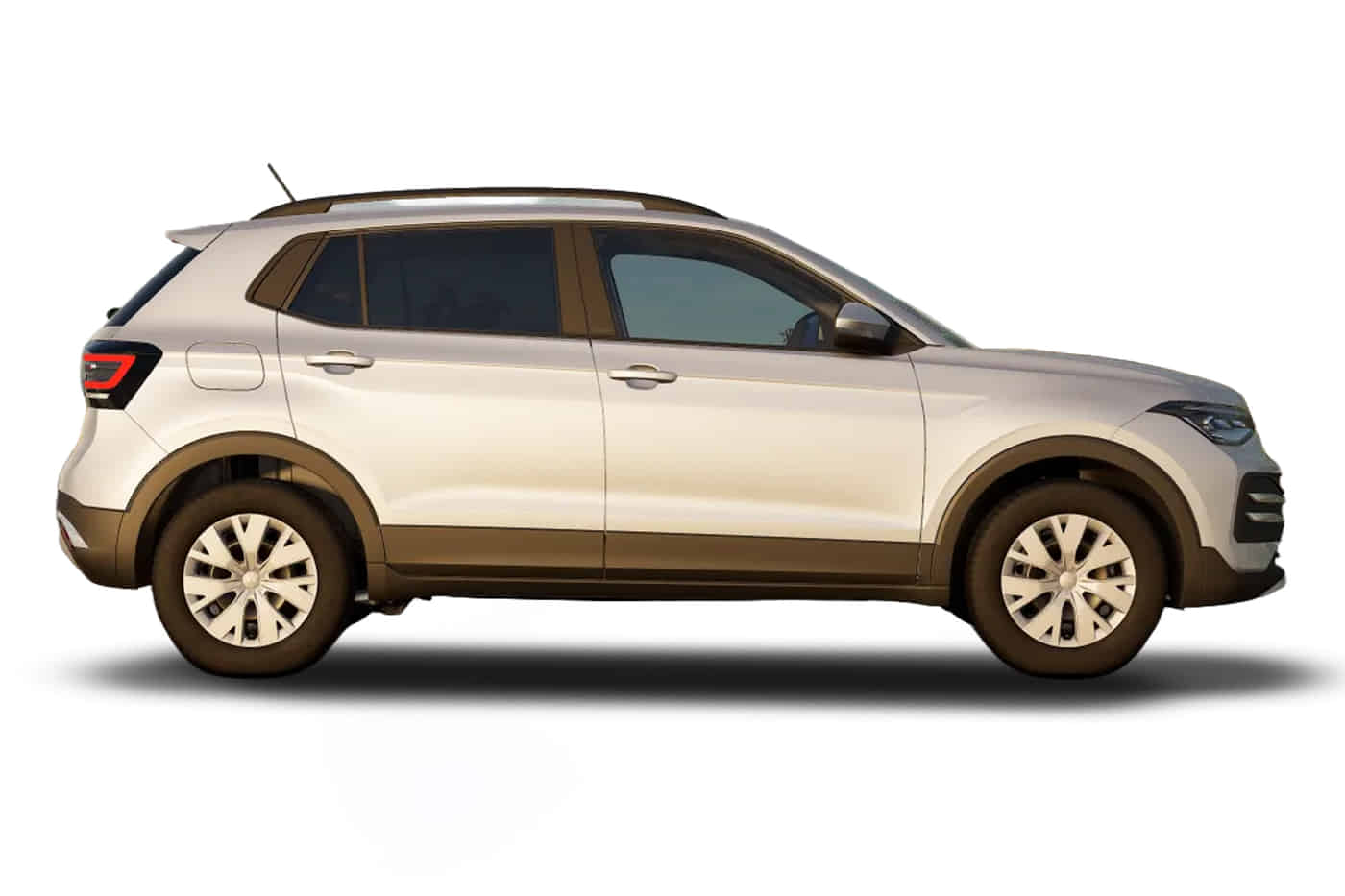
Volkswagen is preparing a mid-cycle update for its compact SUV, the Volkswagen Taigun, which has been spotted testing in India with minimal camouflage. The facelifted model is expected to bring noticeable design enhancements, especially at the front and rear, along with feature upgrades inside the cabin. While the mechanical setup is likely to remain largely unchanged, Volkswagen could introduce refinements such as a new automatic gearbox and improved braking hardware. Positioned in the highly competitive compact SUV segment, the updated Taigun will continue to rival models like the Hyundai Creta, Kia Seltos, and Skoda Kushaq, aiming to strengthen its premium appeal and overall value proposition.
Volkswagen Taigun Facelift Latest Update
Last Updated On 3rd April'26:
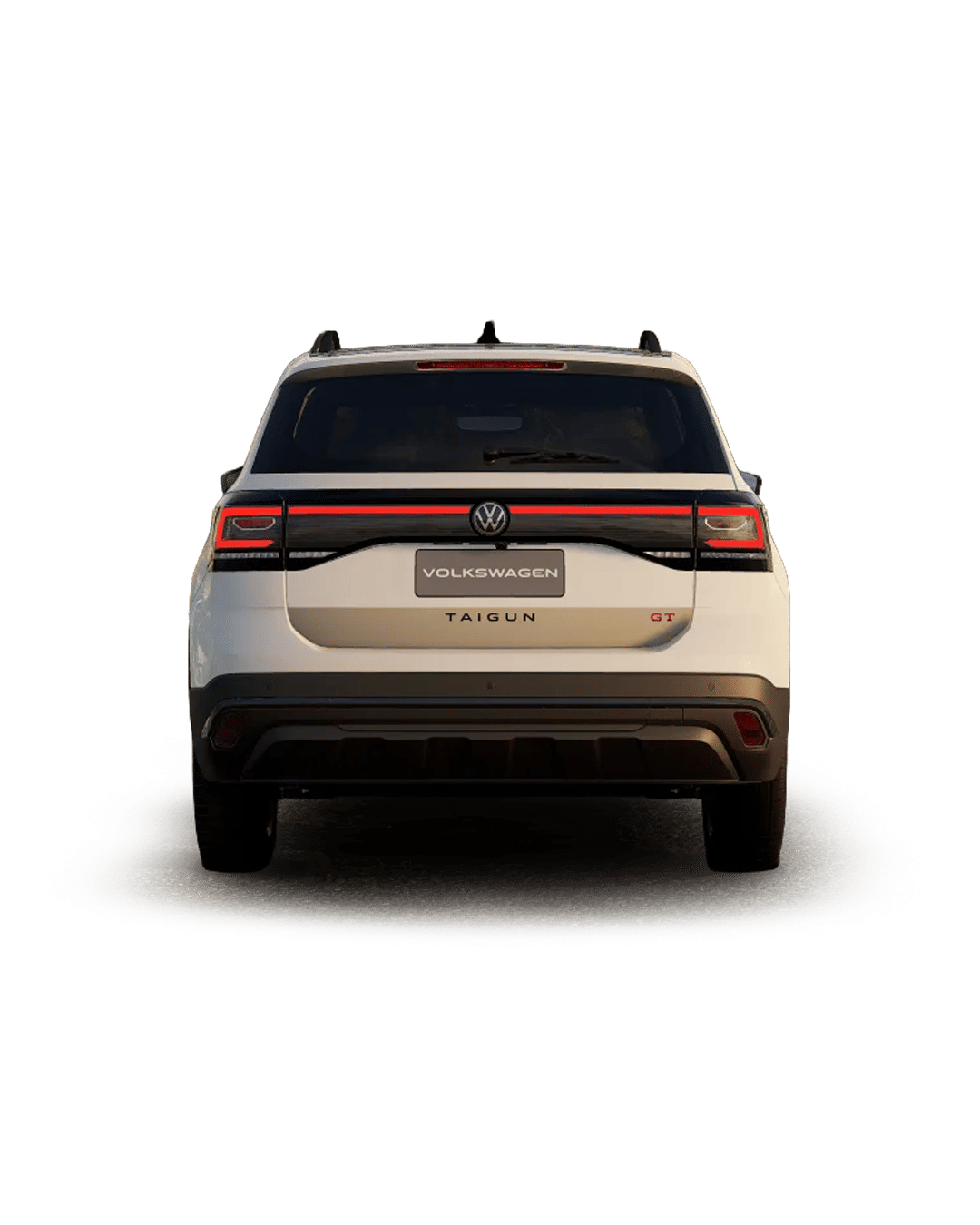
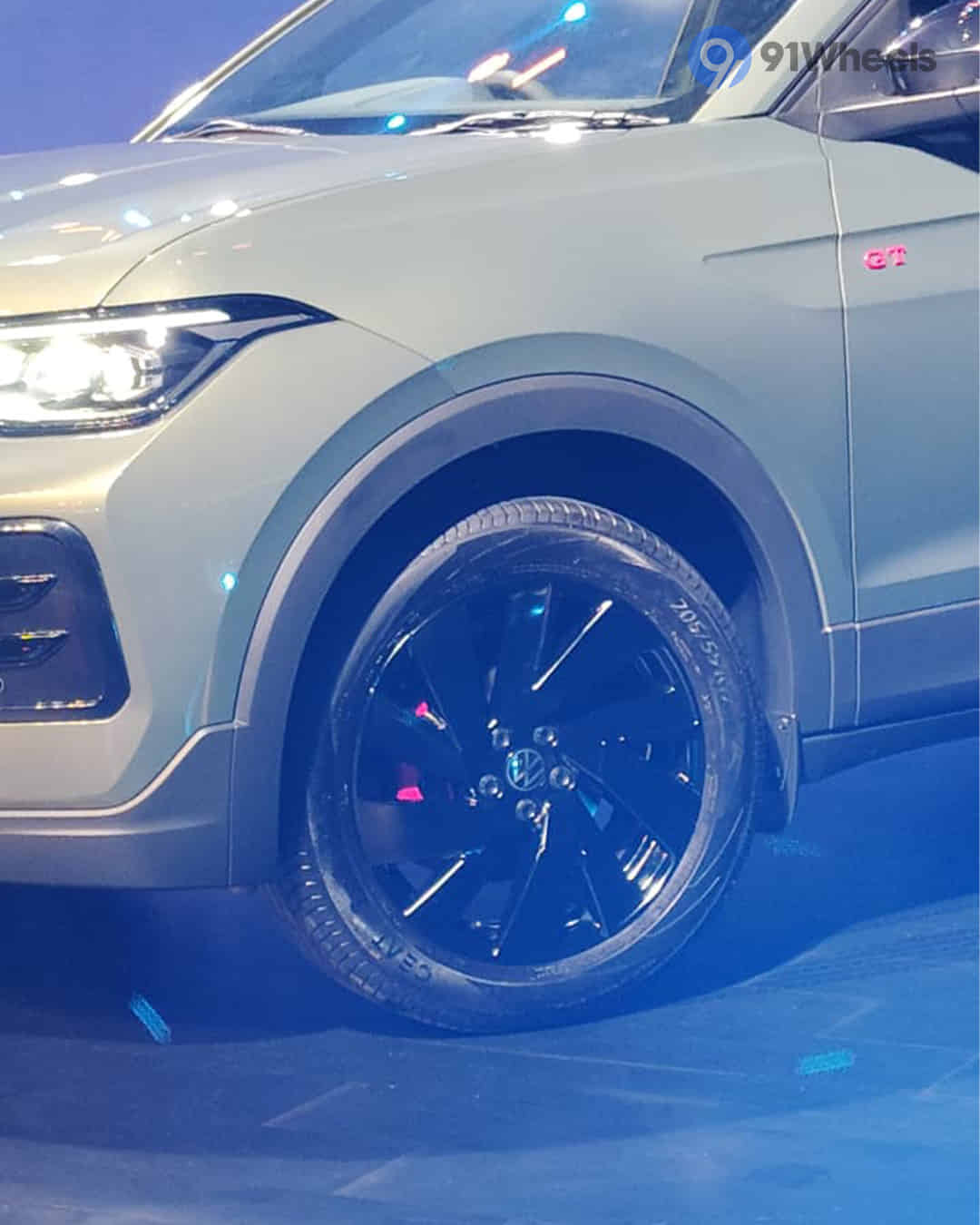
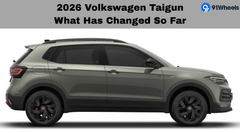
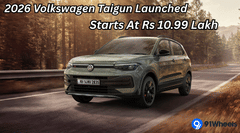
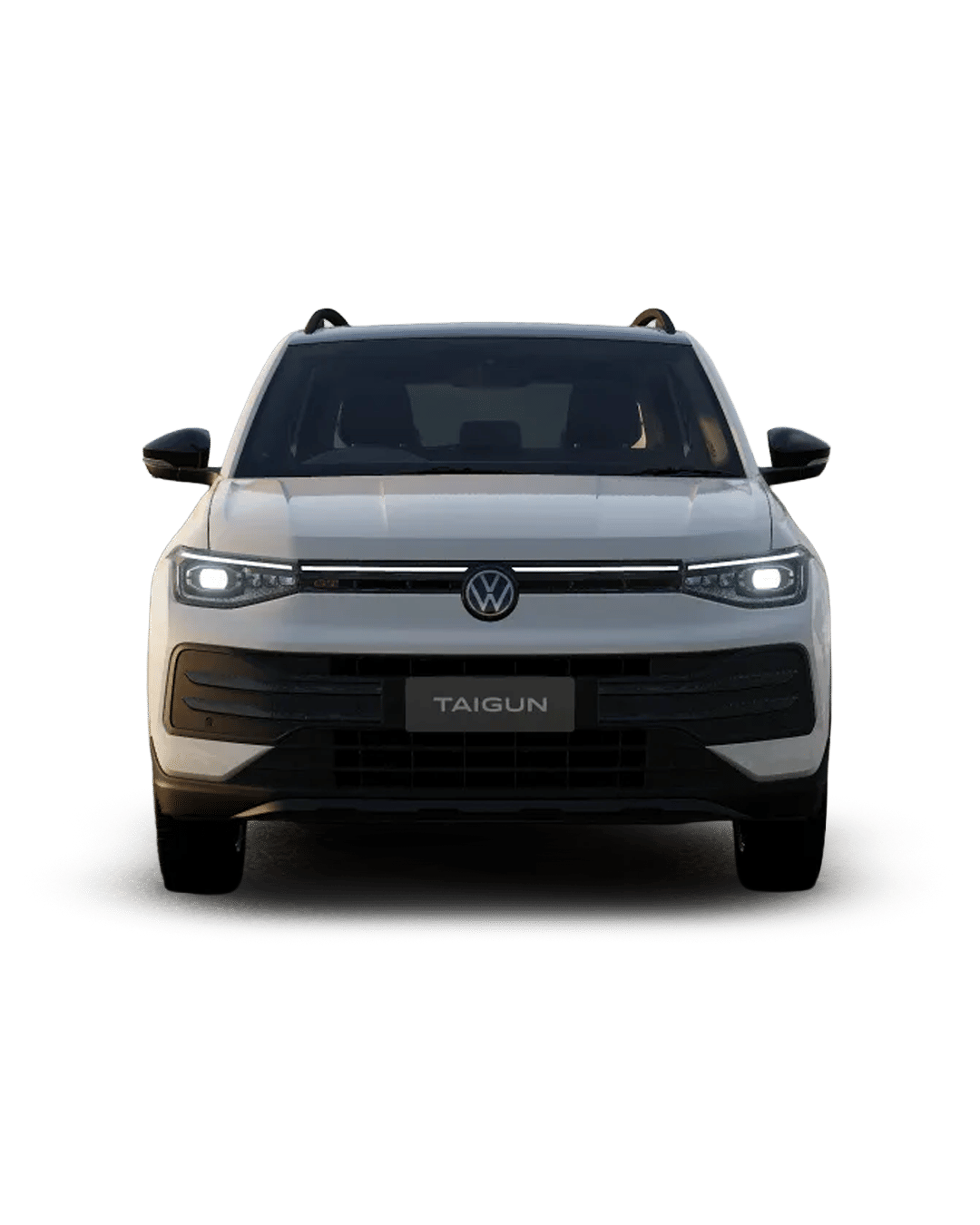
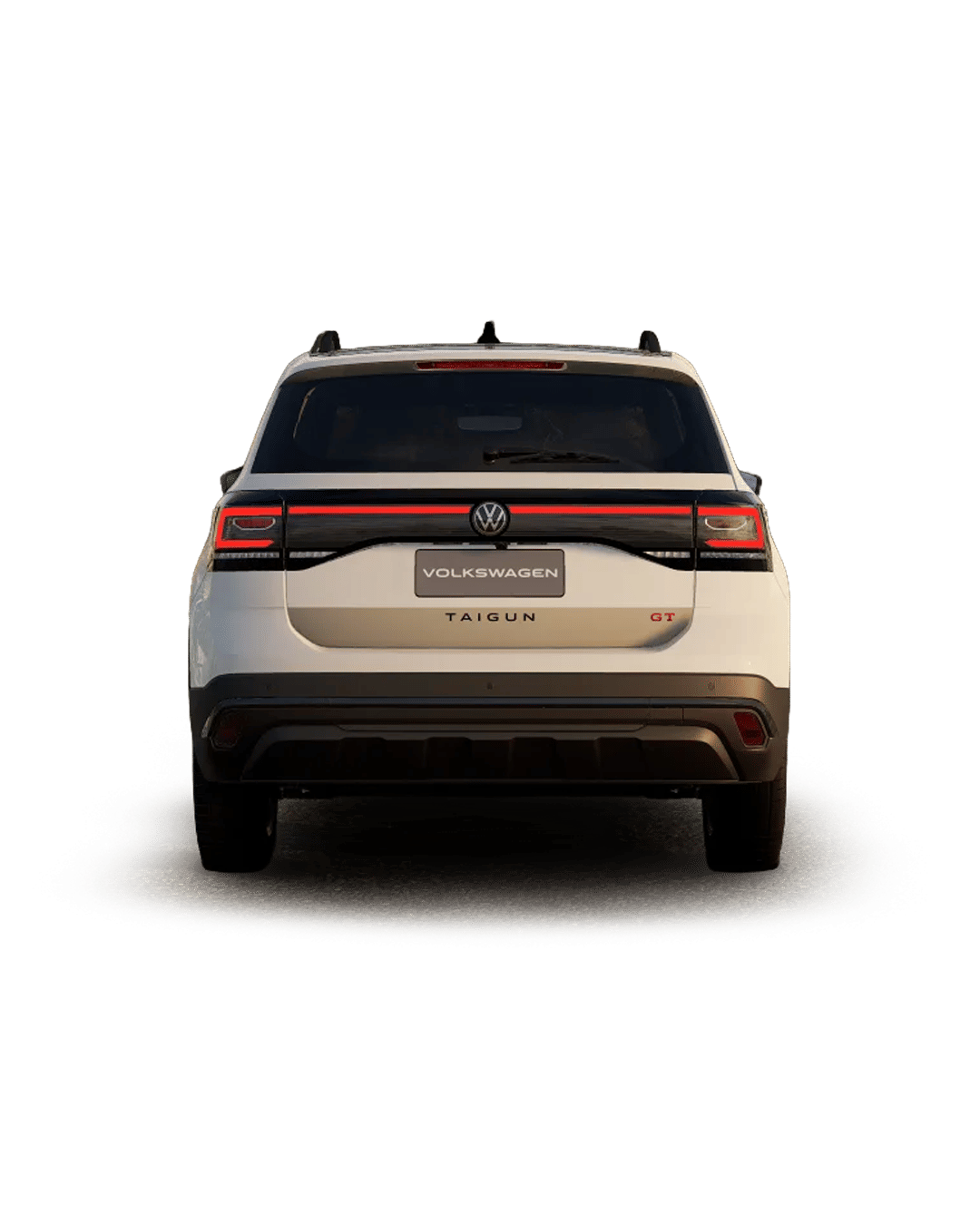
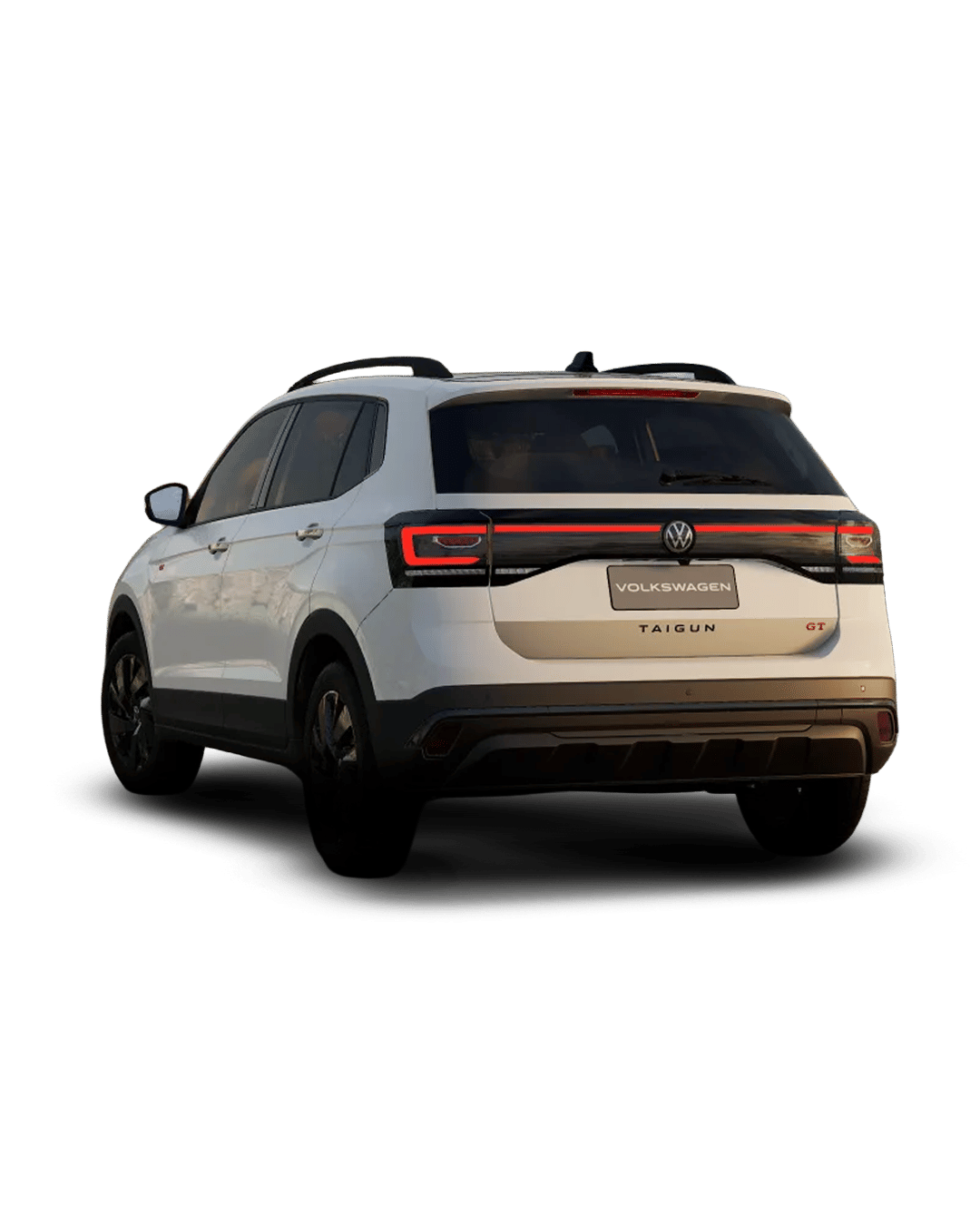
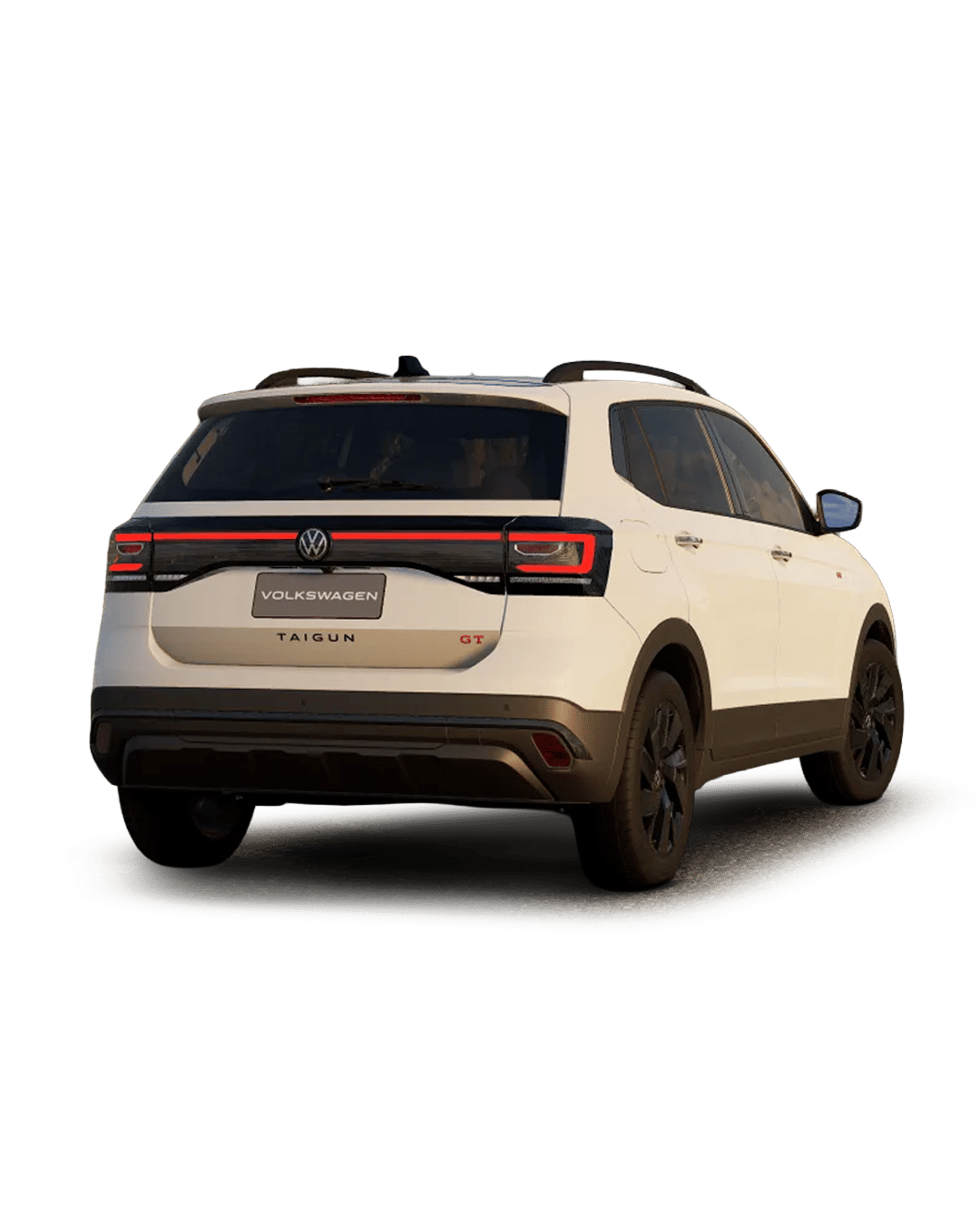
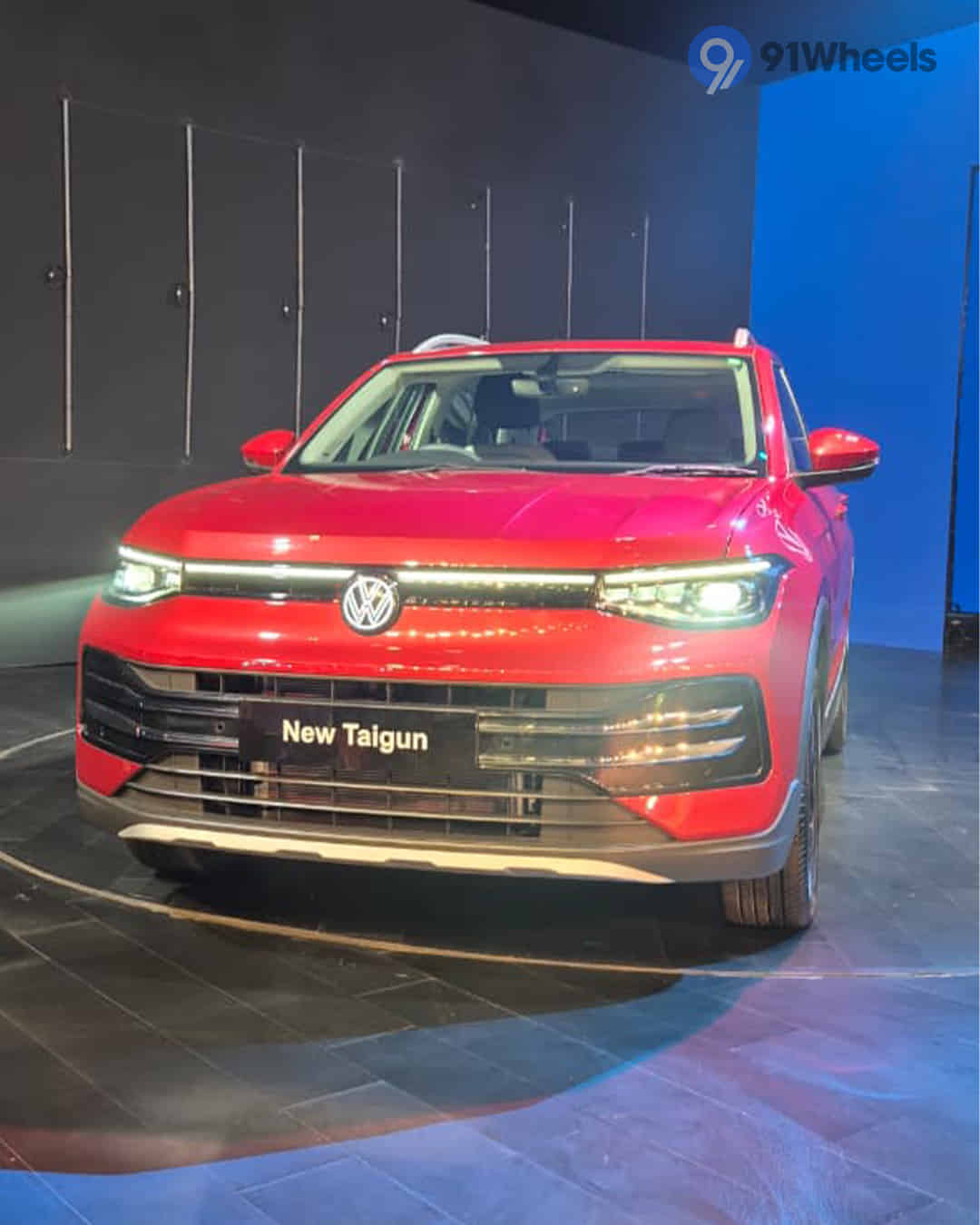
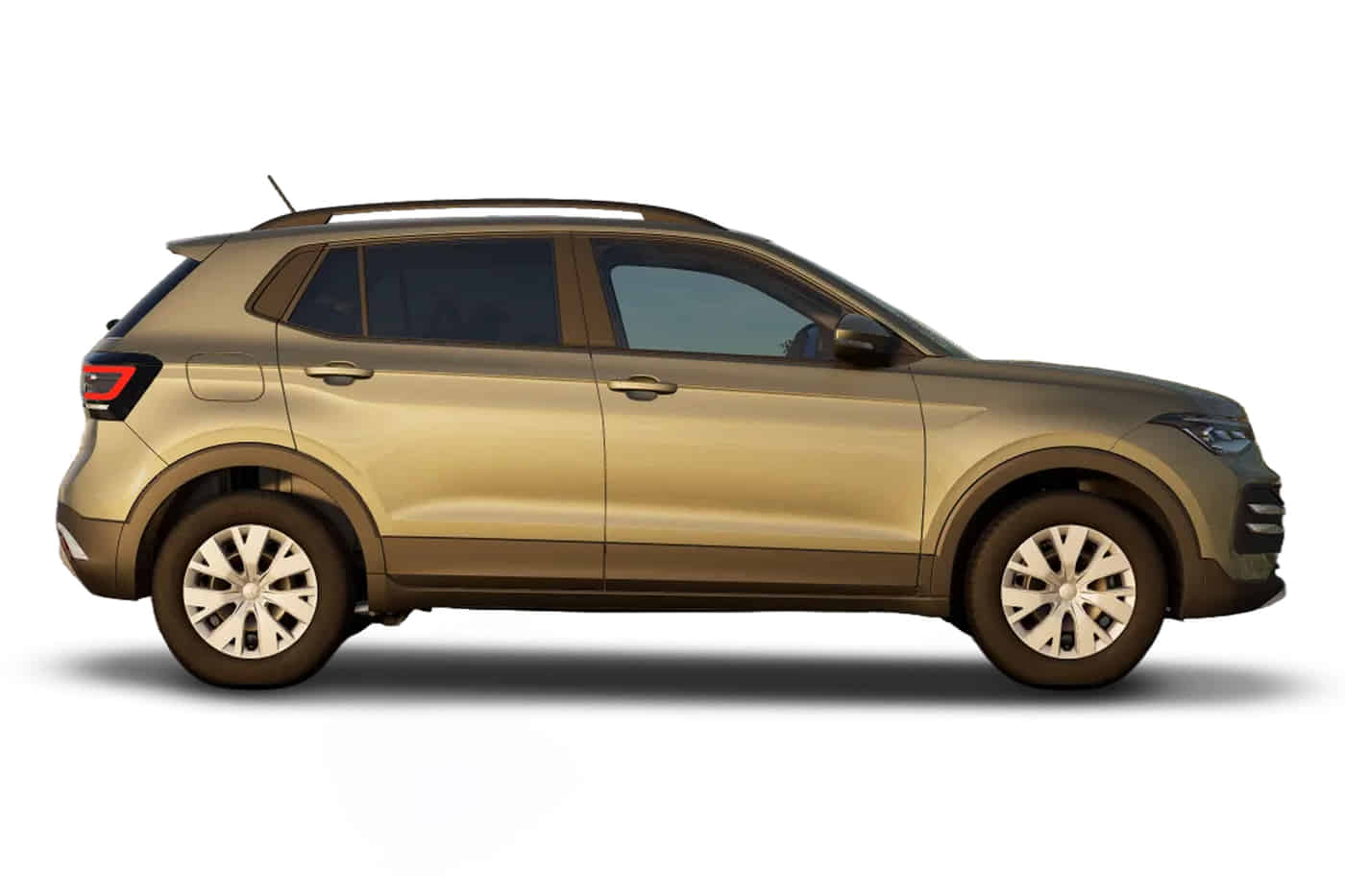
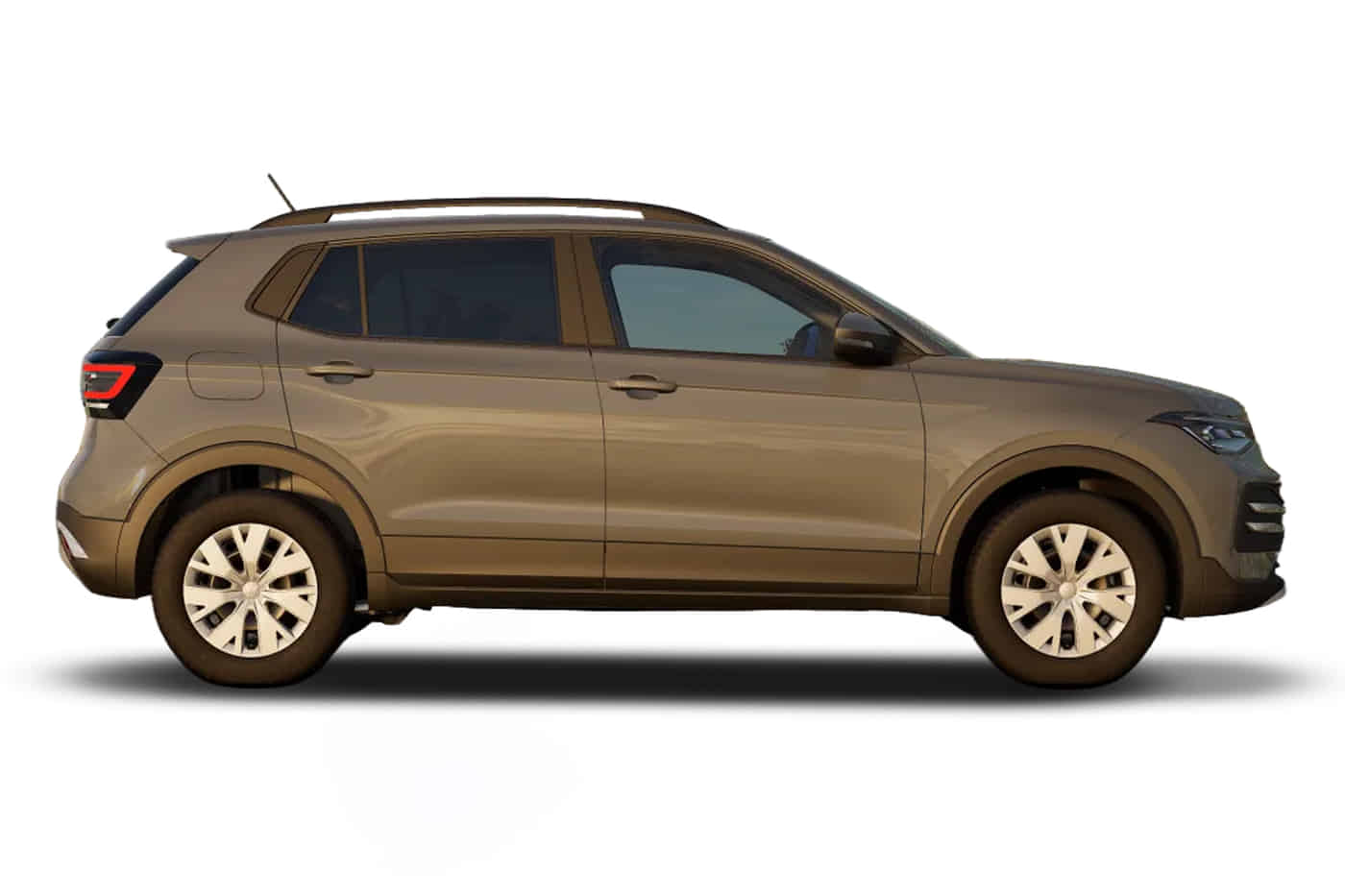
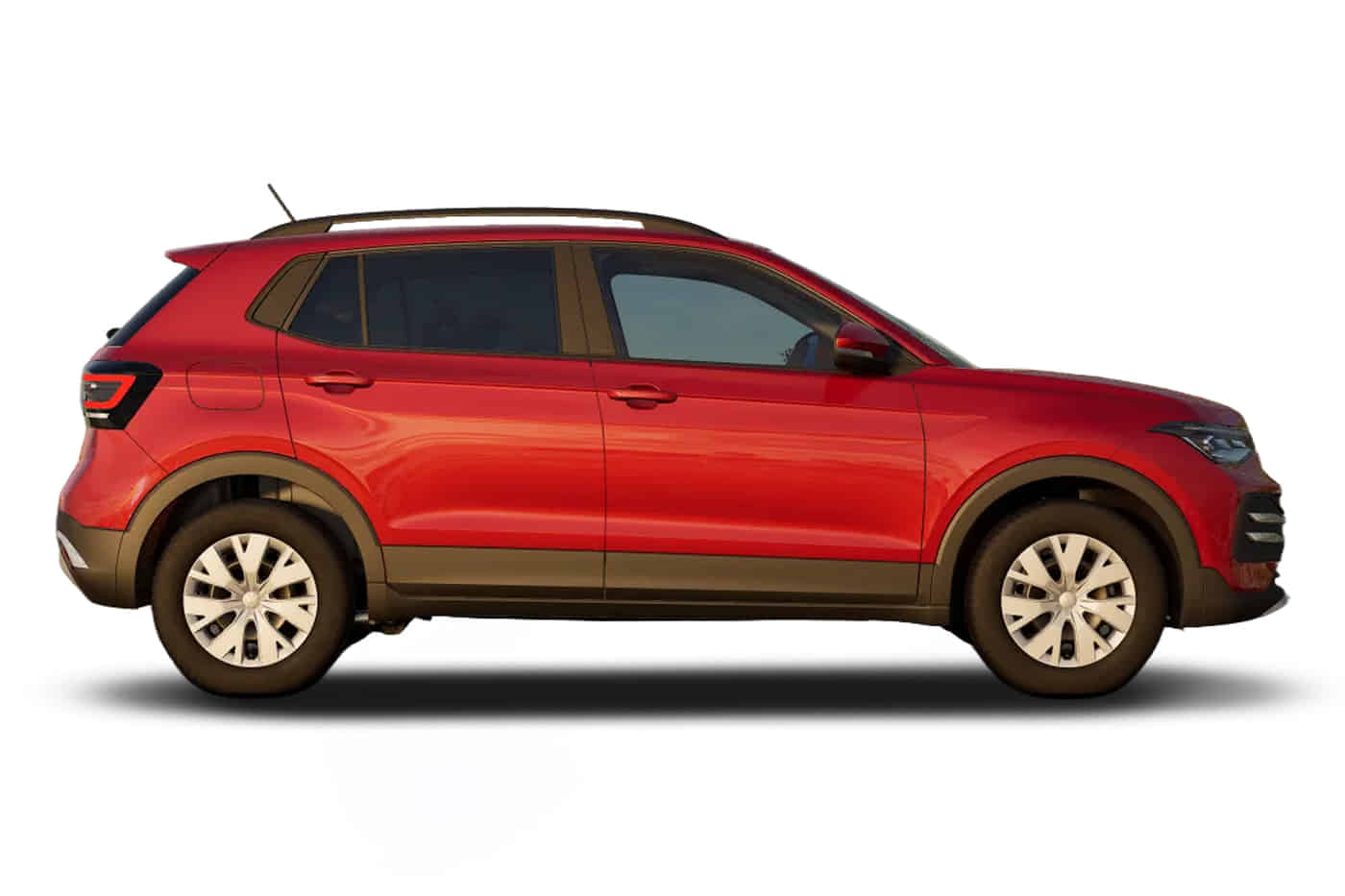
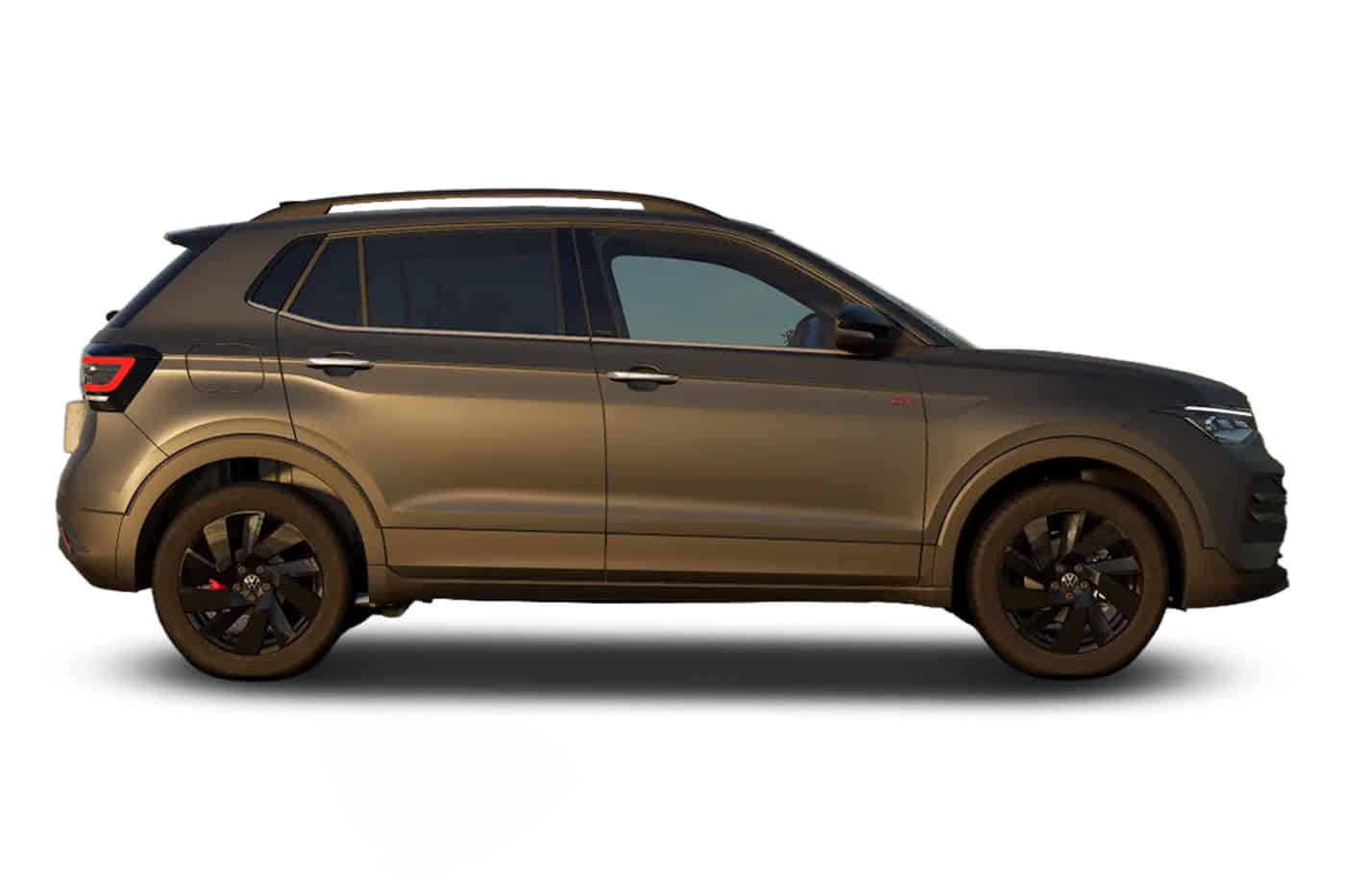
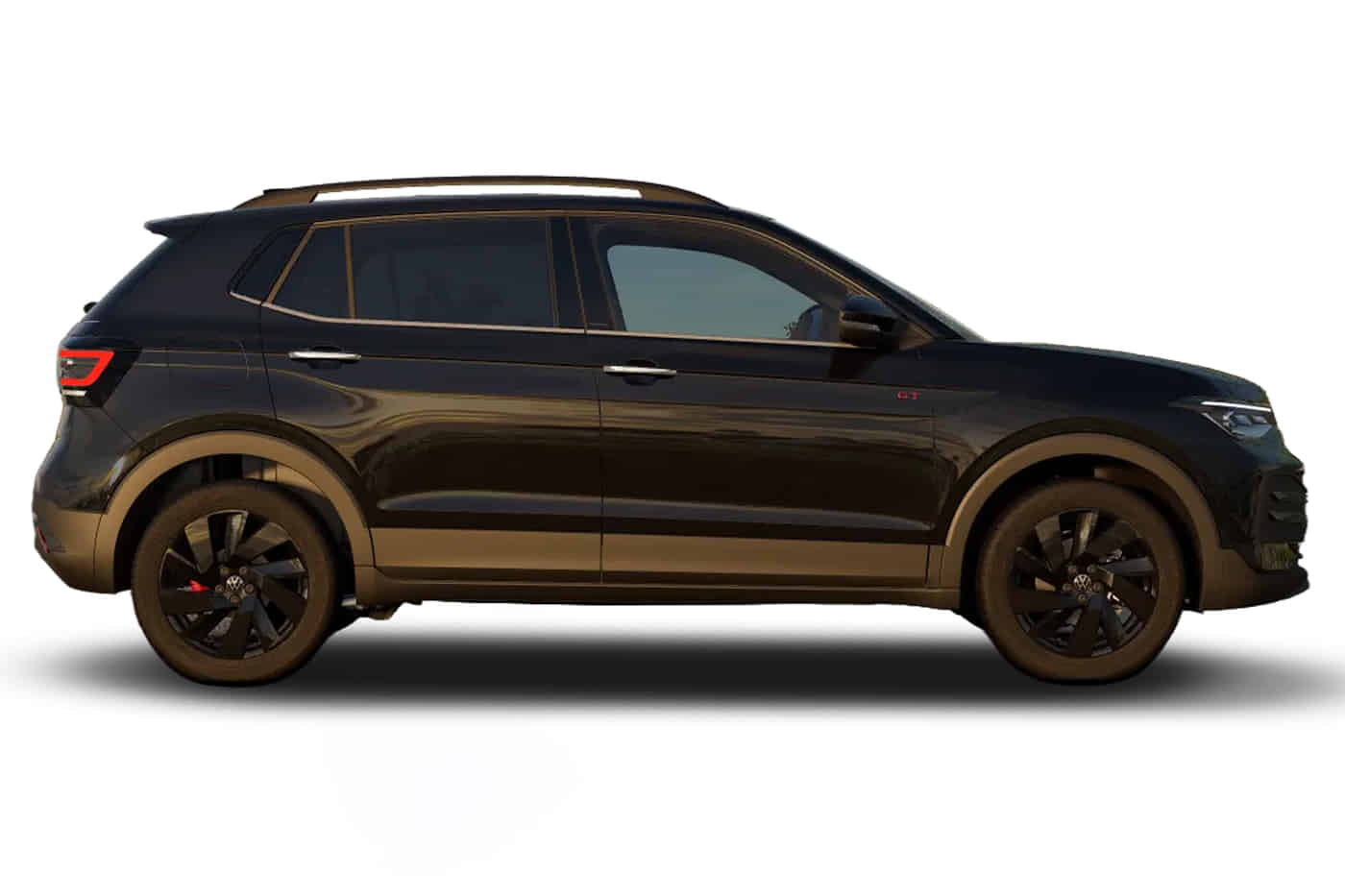
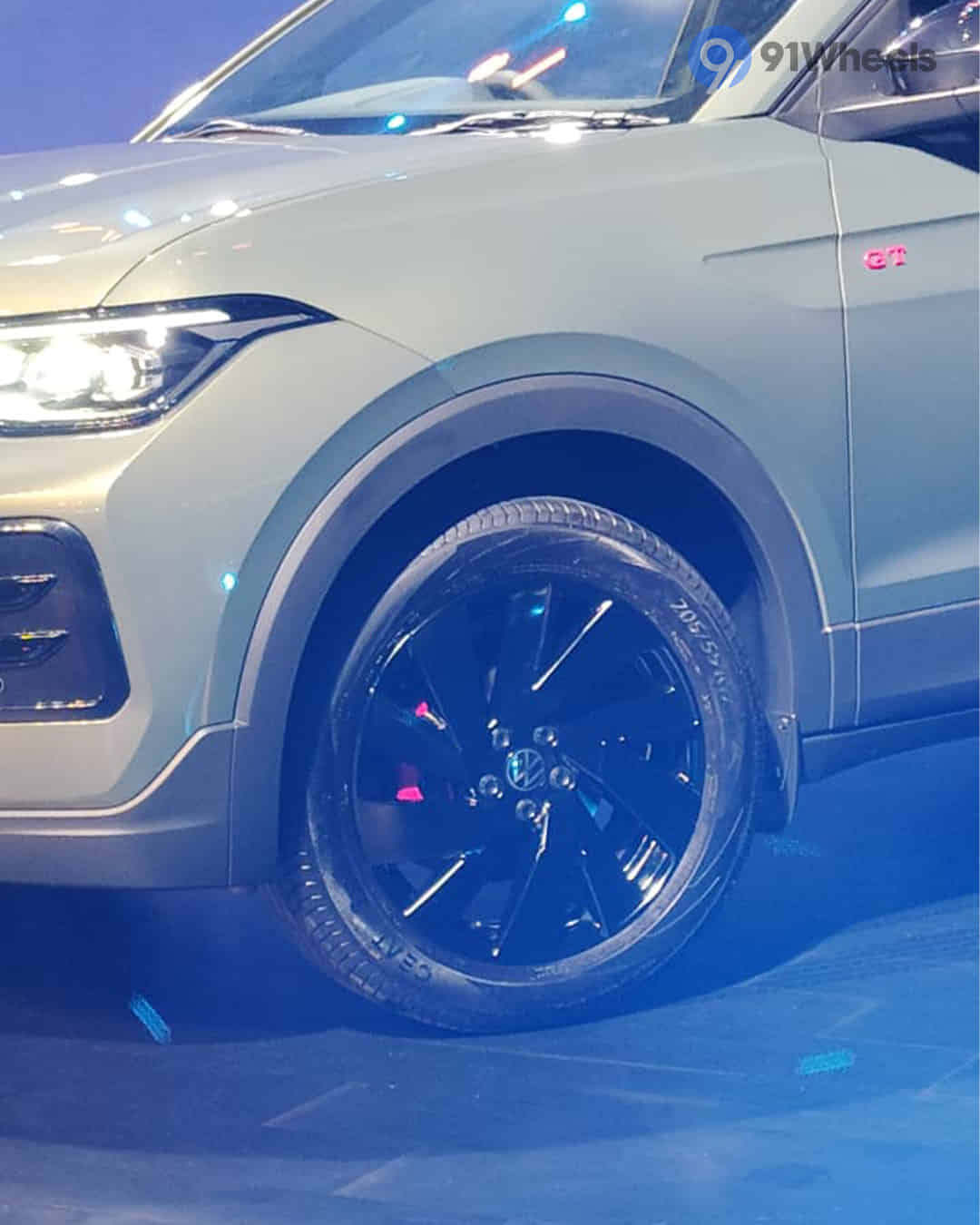
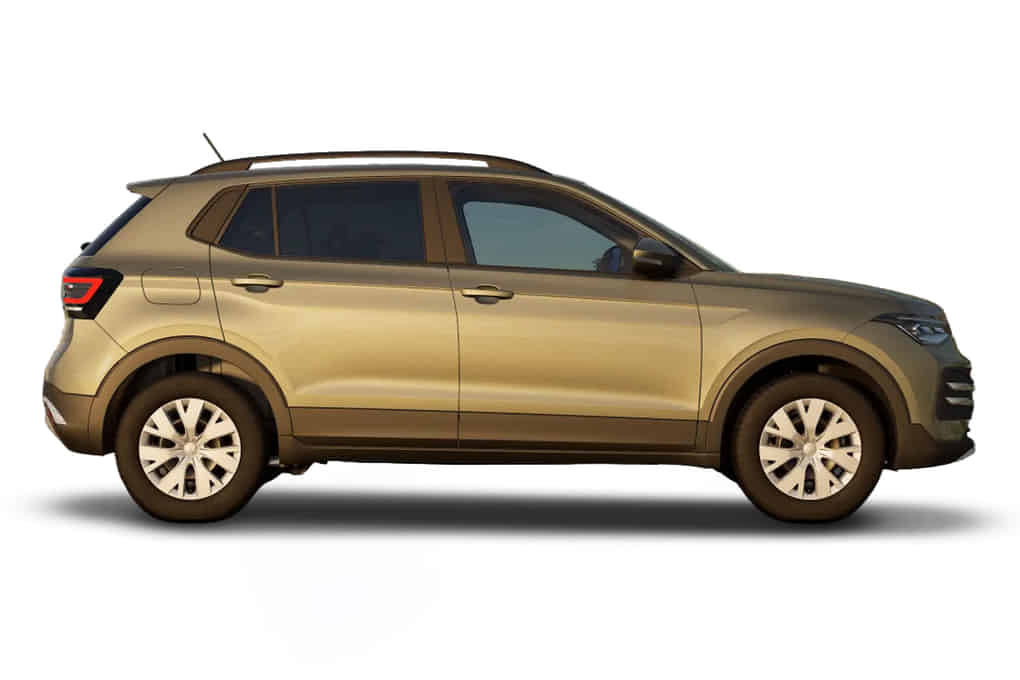
Design: The facelifted Taigun brings a more modern and premium design language while retaining its core silhouette. The most significant changes are visible at the front, where the SUV is expected to feature sleeker LED headlamps connected by a light bar, giving it a sharper and more contemporary appearance. The redesigned front bumper adds a sportier touch, and the possibility of an illuminated Volkswagen logo further enhances its premium quotient. At the rear, the SUV continues with a connected LED tail lamp setup, but with a revised light signature. The bumper has been updated with a larger silver skid plate and a shorter chrome insert, lending a slightly more rugged character. Overall, the facelift focuses on refining the design rather than completely overhauling it.
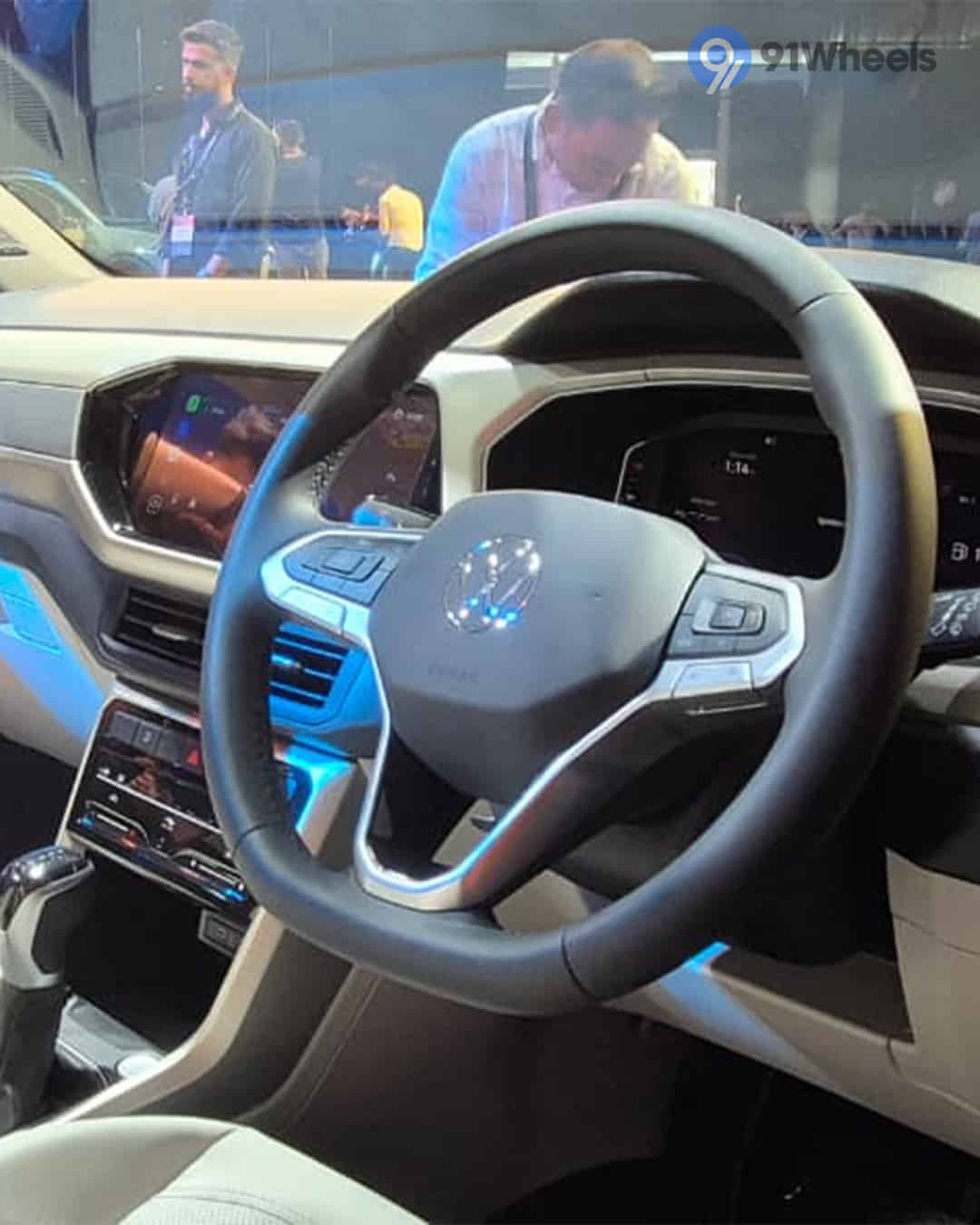
Ergonomics and Comfort: Inside the cabin, the Taigun facelift is expected to offer improved comfort and a more feature-rich experience. The layout is likely to remain familiar but with enhancements in materials and finish. New upholstery and updated interior colour schemes should elevate the premium feel.
A notable addition could be rear seat massage functionality, which would be a segment-first feature and significantly enhance passenger comfort. The overall cabin ergonomics are expected to remain practical, with good visibility, supportive seating, and a driver-focused layout.
Powertrain: The Taigun facelift is expected to retain its existing turbo-petrol engine lineup. The 1.0-litre TSI engine will continue to produce around 114 bhp and 178 Nm, while the more powerful 1.5-litre TSI unit will deliver approximately 148 bhp and 250 Nm. However, a key update could be the introduction of a new 8-speed torque converter automatic gearbox for the 1.0-litre engine, replacing the current automatic option. The 6-speed manual gearbox is expected to continue, while the 1.5-litre engine will likely remain paired with the 7-speed DSG transmission. These updates should improve overall drivability and efficiency.
Hardware: The underlying platform and suspension setup are expected to remain unchanged, continuing to offer a balanced ride and handling combination suited for Indian roads. The Taigun is already known for its stable high-speed dynamics and solid build quality, and the facelift is likely to build on these strengths.
One of the notable expected upgrades is the addition of disc brakes on all four wheels, which would enhance braking performance and safety. The SUV will also continue to feature robust structural integrity and advanced safety systems.
Features: The facelifted Taigun is expected to receive several feature upgrades to stay competitive. A larger touchscreen infotainment system and a 10.25-inch fully digital instrument cluster are likely to be key highlights.
Other expected additions include wireless connectivity, updated connected car technology, and enhanced convenience features. Volkswagen may also introduce a panoramic sunroof, which has become increasingly important in this segment. These updates should make the Taigun more appealing to tech-savvy buyers.
Market Availability and Alternatives: The Volkswagen Taigun facelift is expected to launch in India on April 9. Volkswagen will start taking orders/bookings right after the launch. Once launched, it will continue to compete in the compact SUV segment against rivals such as the Hyundai Creta, Kia Seltos, Skoda Kushaq, Maruti Grand Vitara, and Toyota Urban Cruiser Hyryder. With updated styling, improved features, and refined mechanicals, the Taigun facelift aims to strengthen its position as a premium and driver-focused offering in its segment.
Taigun Facelift Key Specifications
User Insights at a Glance
Share Your Opinion
Is the price justified?
What mileage do you expect?
What will be the model's main selling point?
Would you consider buying it?

Volkswagen Taigun Facelift Overview
Last Updated On 3rd April'26:
Design: The facelifted Taigun brings a more modern and premium design language while retaining its core silhouette. The most significant changes are visible at the front, where the SUV is expected to feature sleeker LED headlamps connected by a light bar, giving it a sharper and more contemporary appearance. The redesigned front bumper adds a sportier touch, and the possibility of an illuminated Volkswagen logo further enhances its premium quotient. At the rear, the SUV continues with a connected LED tail lamp setup, but with a revised light signature. The bumper has been updated with a larger silver skid plate and a shorter chrome insert, lending a slightly more rugged character. Overall, the facelift focuses on refining the design rather than completely overhauling it.
Ergonomics and Comfort: Inside the cabin, the Taigun facelift is expected to offer improved comfort and a more feature-rich experience. The layout is likely to remain familiar but with enhancements in materials and finish. New upholstery and updated interior colour schemes should elevate the premium feel.
A notable addition could be rear seat massage functionality, which would be a segment-first feature and significantly enhance passenger comfort. The overall cabin ergonomics are expected to remain practical, with good visibility, supportive seating, and a driver-focused layout.
Powertrain: The Taigun facelift is expected to retain its existing turbo-petrol engine lineup. The 1.0-litre TSI engine will continue to produce around 114 bhp and 178 Nm, while the more powerful 1.5-litre TSI unit will deliver approximately 148 bhp and 250 Nm. However, a key update could be the introduction of a new 8-speed torque converter automatic gearbox for the 1.0-litre engine, replacing the current automatic option. The 6-speed manual gearbox is expected to continue, while the 1.5-litre engine will likely remain paired with the 7-speed DSG transmission. These updates should improve overall drivability and efficiency.
Hardware: The underlying platform and suspension setup are expected to remain unchanged, continuing to offer a balanced ride and handling combination suited for Indian roads. The Taigun is already known for its stable high-speed dynamics and solid build quality, and the facelift is likely to build on these strengths.
One of the notable expected upgrades is the addition of disc brakes on all four wheels, which would enhance braking performance and safety. The SUV will also continue to feature robust structural integrity and advanced safety systems.
Features: The facelifted Taigun is expected to receive several feature upgrades to stay competitive. A larger touchscreen infotainment system and a 10.25-inch fully digital instrument cluster are likely to be key highlights.
Other expected additions include wireless connectivity, updated connected car technology, and enhanced convenience features. Volkswagen may also introduce a panoramic sunroof, which has become increasingly important in this segment. These updates should make the Taigun more appealing to tech-savvy buyers.
Market Availability and Alternatives: The Volkswagen Taigun facelift is expected to launch in India on April 9. Volkswagen will start taking orders/bookings right after the launch. Once launched, it will continue to compete in the compact SUV segment against rivals such as the Hyundai Creta, Kia Seltos, Skoda Kushaq, Maruti Grand Vitara, and Toyota Urban Cruiser Hyryder. With updated styling, improved features, and refined mechanicals, the Taigun facelift aims to strengthen its position as a premium and driver-focused offering in its segment.
Read MoreRead Less
Last Updated On 3rd April'26:
Design: The facelifted Taigun brings a more modern and premium design language while retaining its core silhouette. The most significant changes are visible at the front, where the SUV is expected to feature sleeker LED headlamps connected by a light bar, giving it a sharper and more contemporary appearance. The redesigned front bumper adds a sportier touch, and the possibility of an illuminated Volkswagen logo further enhances its premium quotient. At the rear, the SUV continues with a connected LED tail lamp setup, but with a revised light signature. The bumper has been updated with a larger silver skid plate and a shorter chrome insert, lending a slightly more rugged character. Overall, the facelift focuses on refining the design rather than completely overhauling it.
Ergonomics and Comfort: Inside the cabin, the Taigun facelift is expected to offer improved comfort and a more feature-rich experience. The layout is likely to remain familiar but with enhancements in materials and finish. New upholstery and updated interior colour schemes should elevate the premium feel.
A notable addition could be rear seat massage functionality, which would be a segment-first feature and significantly enhance passenger comfort. The overall cabin ergonomics are expected to remain practical, with good visibility, supportive seating, and a driver-focused layout.
Powertrain: The Taigun facelift is expected to retain its existing turbo-petrol engine lineup. The 1.0-litre TSI engine will continue to produce around 114 bhp and 178 Nm, while the more powerful 1.5-litre TSI unit will deliver approximately 148 bhp and 250 Nm. However, a key update could be the introduction of a new 8-speed torque converter automatic gearbox for the 1.0-litre engine, replacing the current automatic option. The 6-speed manual gearbox is expected to continue, while the 1.5-litre engine will likely remain paired with the 7-speed DSG transmission. These updates should improve overall drivability and efficiency.
Hardware: The underlying platform and suspension setup are expected to remain unchanged, continuing to offer a balanced ride and handling combination suited for Indian roads. The Taigun is already known for its stable high-speed dynamics and solid build quality, and the facelift is likely to build on these strengths.
One of the notable expected upgrades is the addition of disc brakes on all four wheels, which would enhance braking performance and safety. The SUV will also continue to feature robust structural integrity and advanced safety systems.
Features: The facelifted Taigun is expected to receive several feature upgrades to stay competitive. A larger touchscreen infotainment system and a 10.25-inch fully digital instrument cluster are likely to be key highlights.
Other expected additions include wireless connectivity, updated connected car technology, and enhanced convenience features. Volkswagen may also introduce a panoramic sunroof, which has become increasingly important in this segment. These updates should make the Taigun more appealing to tech-savvy buyers.
Market Availability and Alternatives: The Volkswagen Taigun facelift is expected to launch in India on April 9. Volkswagen will start taking orders/bookings right after the launch. Once launched, it will continue to compete in the compact SUV segment against rivals such as the Hyundai Creta, Kia Seltos, Skoda Kushaq, Maruti Grand Vitara, and Toyota Urban Cruiser Hyryder. With updated styling, improved features, and refined mechanicals, the Taigun facelift aims to strengthen its position as a premium and driver-focused offering in its segment.
Volkswagen Taigun Facelift Competitors
| Models | Fuel Type | Engine | Mileage | Seating Capacity |
|---|---|---|---|---|
| Diesel | 1497 cc | 16 kmpl | 5 Seater | |
| Petrol | 1490 cc | For Petrol/Hybrid27.97 kmplFor CNG26.6 km/kg | 5 Seater | |
| Diesel | 2596 cc | 12 kmpl | 4 Seater | |
| Diesel | 1493 cc | 21.8 kmpl | 5 Seater | |
| Diesel | 1483 cc | - | 5 Seater | |
| Petrol | 1451 cc | - | 5 Seater | |
| Hybrid | 1490 cc | For Petrol/Hybrid27.97 kmplFor CNG26.6 km/kg | 5 Seater | |
| Hybrid | 1490 cc | For Petrol/Hybrid28.65 kmplFor CNG27.02 km/kg | 5 Seater | |
| Diesel | 2184 cc | 15 kmpl | 7 Seater | |
| Petrol | 1498 cc | - | 5 Seater |

Volkswagen Dealers in New Delhi
Explore 8 authorized Volkswagen dealers. Get best prices.

Volkswagen Dealers in Pune
Explore 3 authorized Volkswagen dealers. Get best prices.

Volkswagen Dealers in Mumbai
Explore 3 authorized Volkswagen dealers. Get best prices.

Volkswagen Dealers in Kolkata
Explore 3 authorized Volkswagen dealers. Get best prices.

Volkswagen Dealers in Ahmedabad
Explore 3 authorized Volkswagen dealers. Get best prices.

Volkswagen Dealers in Hyderabad
Explore 9 authorized Volkswagen dealers. Get best prices.
Top SUV Cars You Should Not Miss