KEY HIGHLIGHTS
- Only electric 3Ws allowed from 2027.
- Strong push for cleaner urban mobility.
- Incentives and waivers boost EV adoption.
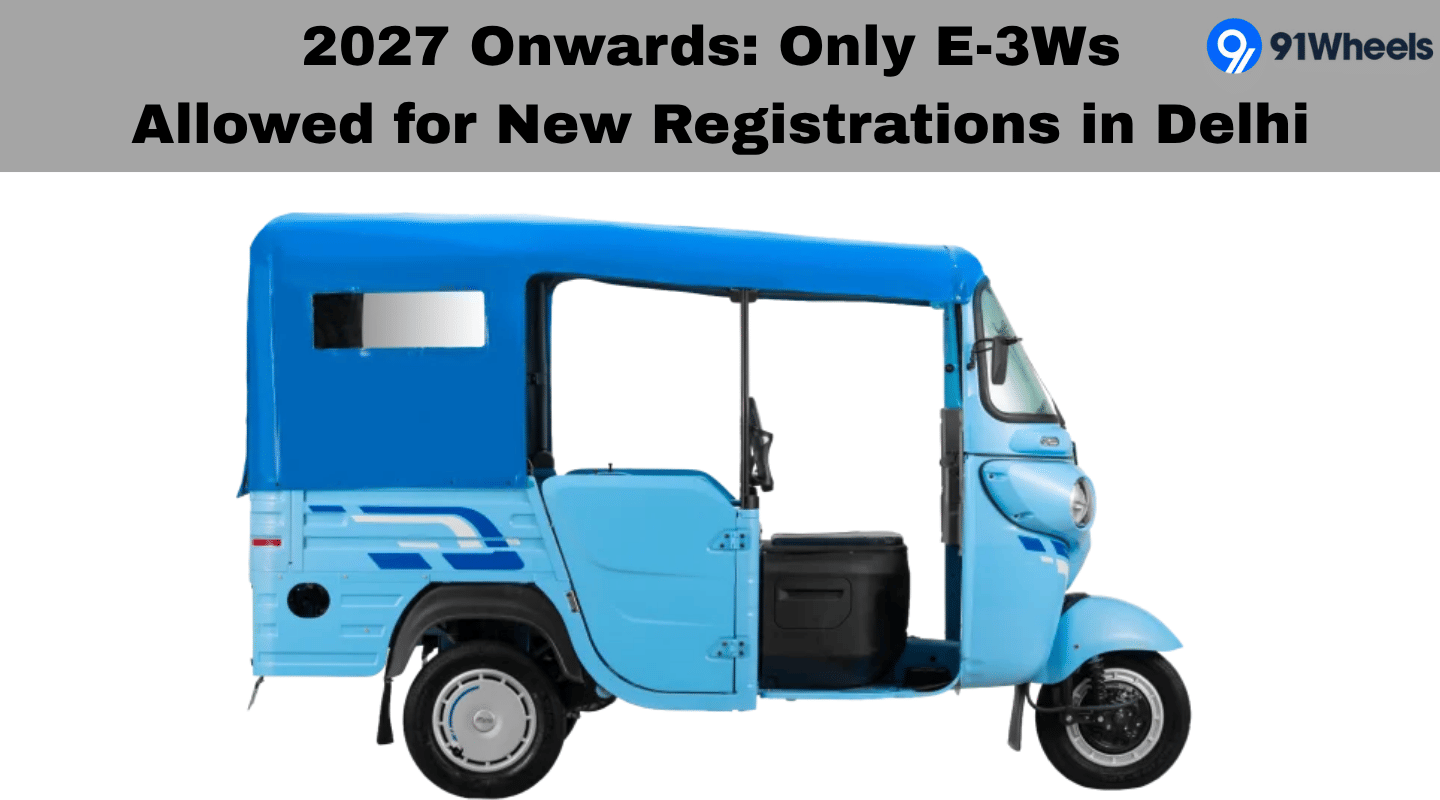
In a strong push towards cleaner urban mobility, the Delhi EV Policy 2.0 (2026-2030) has proposed that from 2027 onwards, only electric three-wheelers (3Ws) will be eligible for new registrations in the capital. This is part of a larger roadmap aimed at drastically reducing vehicular emissions and accelerating EV adoption across segments. Meanwhile, make sure to join the 91Wheels WhatsApp Channel for all automotive updates.
Also Read - Royal Enfield Flying Flea C6: Who Should Buy and Who Should Not: Check Details
Impact on Last-Mile Connectivity
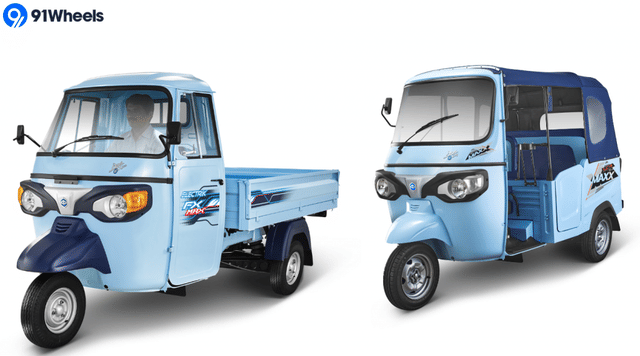
Three-wheelers, including auto-rickshaws and cargo carriers, are a key pillar of Delhi's last-mile connectivity. However, their conventional internal combustion engine (ICE) versions contribute significantly to air pollution. By mandating electric-only new registrations, the policy intends to create a cleaner, more efficient transport ecosystem while lowering operating costs for drivers.
The draft policy, released on April 11, 2026, outlines an ambitious vision - targeting nearly all new vehicle registrations (around 98%) to be electric by 2030. To support this transition, the government plans to offer full waivers on road tax and registration charges for EVs. Additionally, buyers scrapping older, polluting vehicles could receive incentives of up to Rs. 1 lakh, making the shift to electric more financially attractive. The policy also signals a major shift in the two-wheeler segment, with new petrol-powered bikes set to be phased out by April 2028.
Incentives and EV Adoption Push
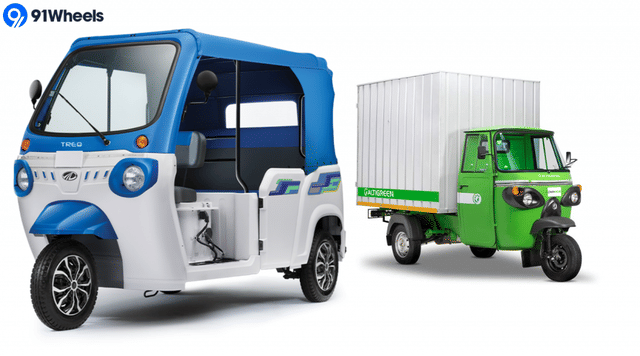
Electric 3Ws bring several advantages, including zero tailpipe emissions, quieter operation, and lower running costs. With improving battery technology and expanding charging infrastructure, practicality is steadily increasing for daily use.
For manufacturers, this directive presents both opportunity and urgency. Automakers will need to scale up EV production and ensure competitive pricing, while fleet operators stand to benefit from reduced fuel and maintenance costs.
Also Read - Royal Enfield Flying Flea C6 E-Bike Launched At Rs. 1.99 Lakh (Ex-sh, BaaS)
Verdict
Overall, the move under Delhi EV Policy 2.0 marks a decisive step towards a cleaner, more sustainable mobility future. It also accelerates the transition to zero-emission public transport across key segments.
Do you like this article?
Comments
No comments yet. Be the first to comment!