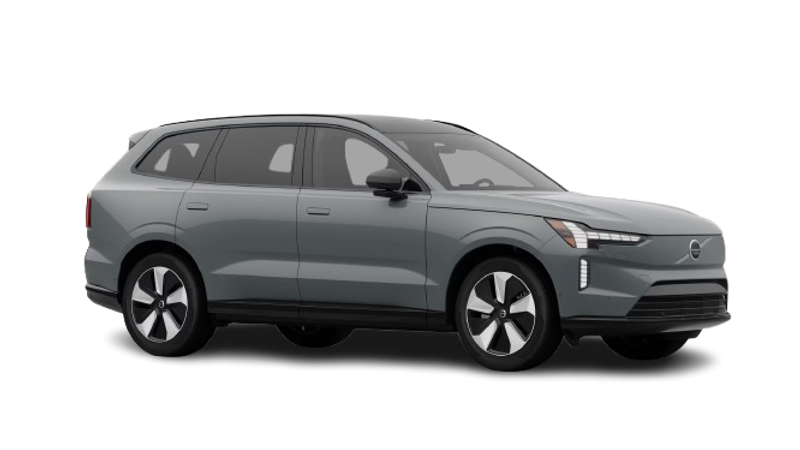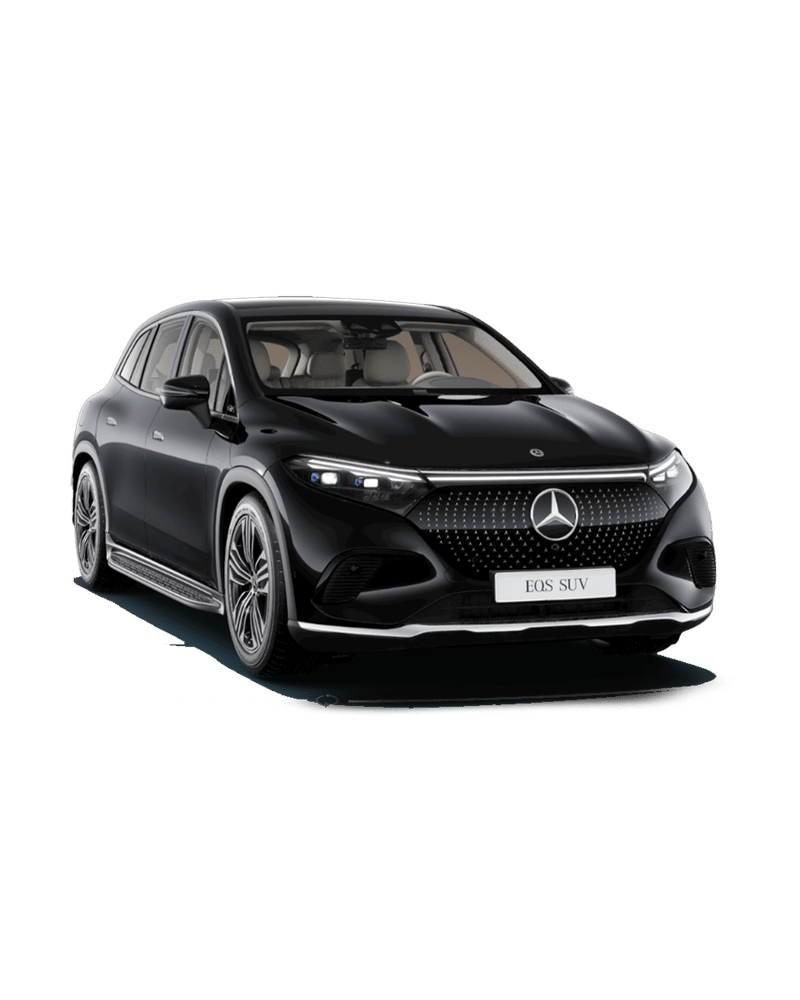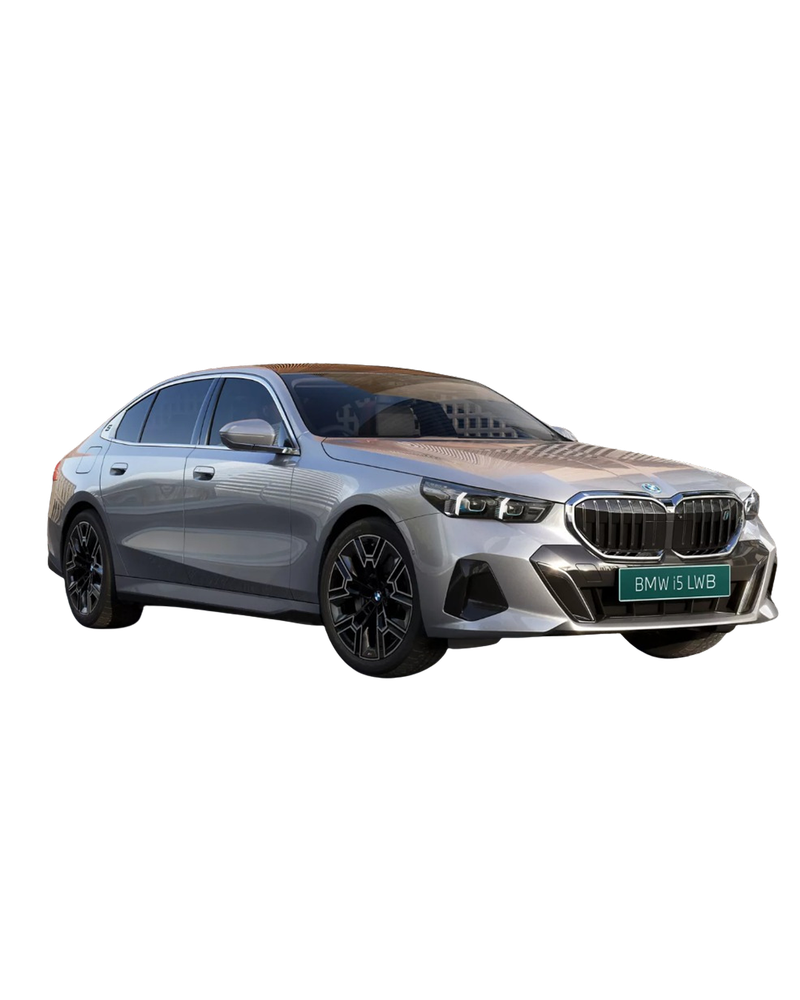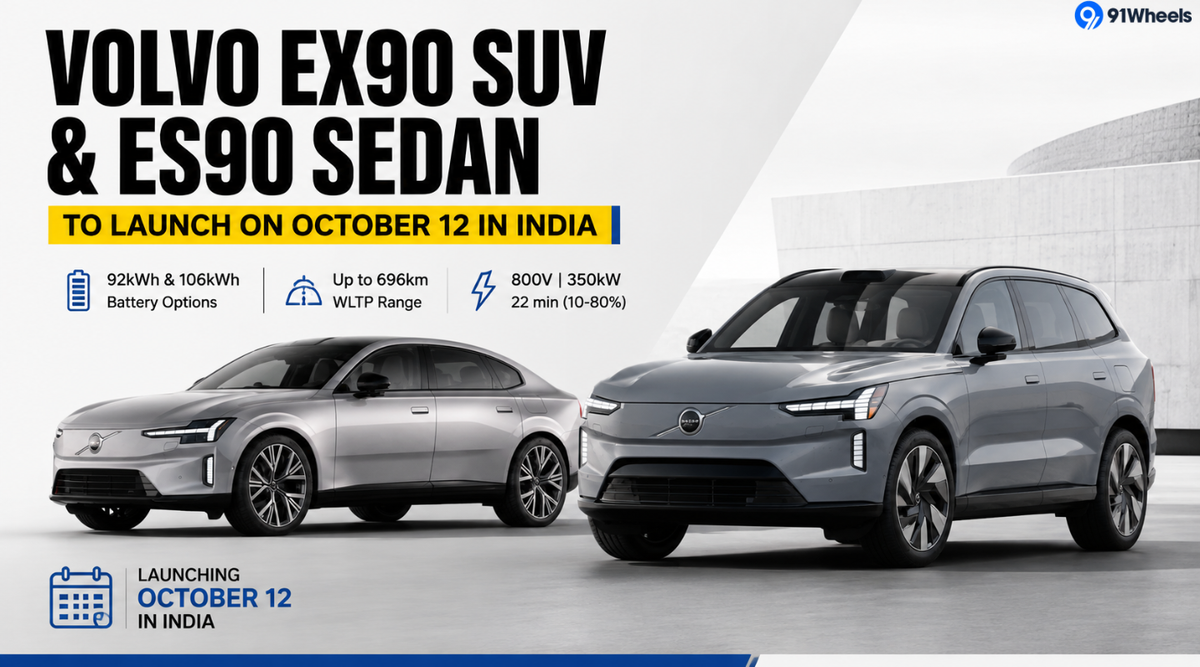
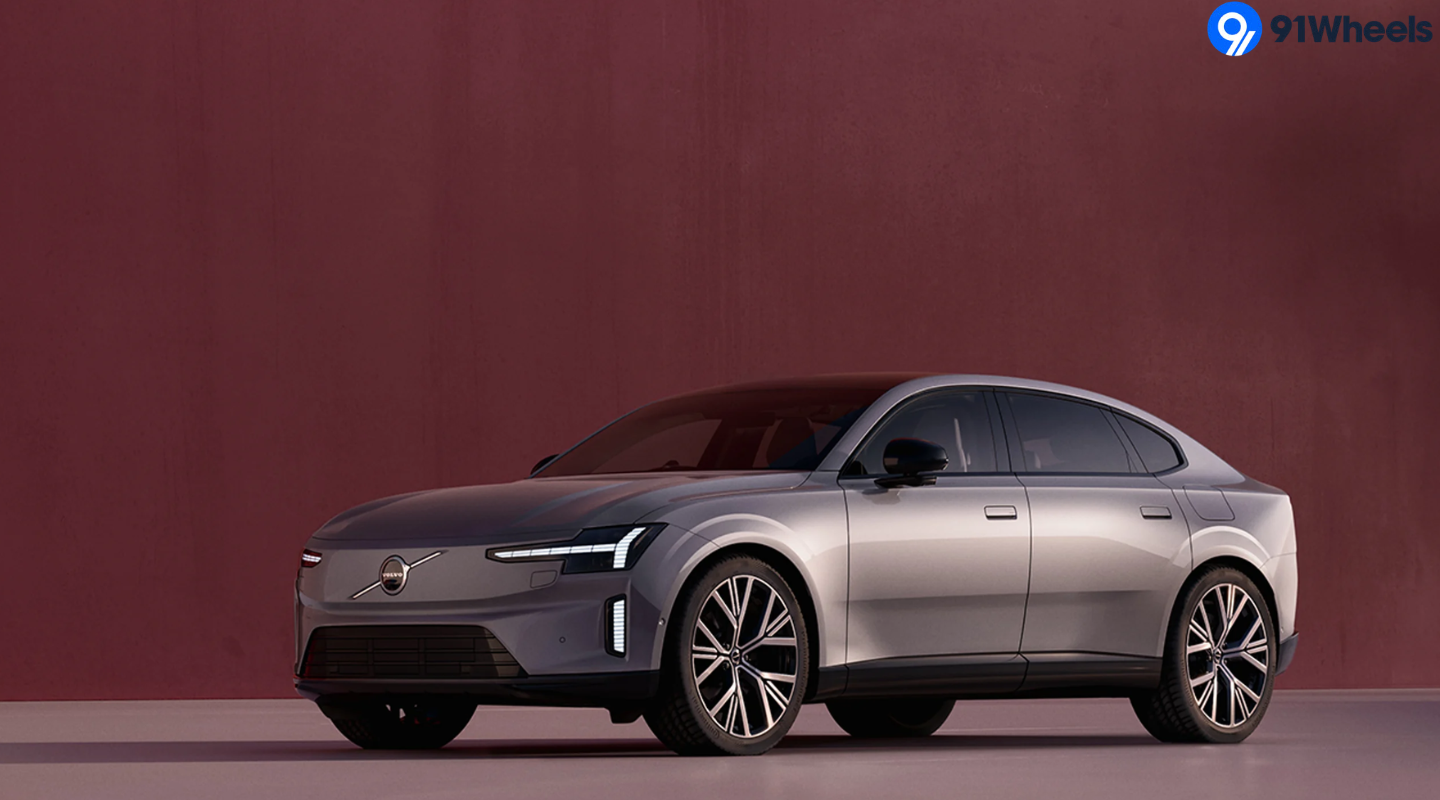
Volvo has confirmed the India launch of its EX90 and ES90 electric flagships on October 12, 2026. The EX90 is a three-row SUV that will be pitted against rivals like the Mercedes-Benz EQS and Kia EV9, while the ES90, a mid-size luxury sedan, will go head-to-head with the BMW i5. Both models mark Volvo's return to the flagship space in India, with the ES90 in particular filling the gap left by the S90's discontinuation. Let's take a closer look at what these two EVs bring to the table.
Volvo EX90 and ES90: Battery Pack and Range
The Volvo EX90 and ES90 will get the same battery and motor options. Both cars are offered with 92kWh and 106kWh batteries in global markets.
The 92kWh version gets a single electric motor with 333hp and 480Nm, while the 106kWh version gets two motors. The regular Twin Motor makes 456hp and 670Nm, while the Twin Motor Performance produces 680hp and 870Nm.
Volvo EX90 and ES90 Range
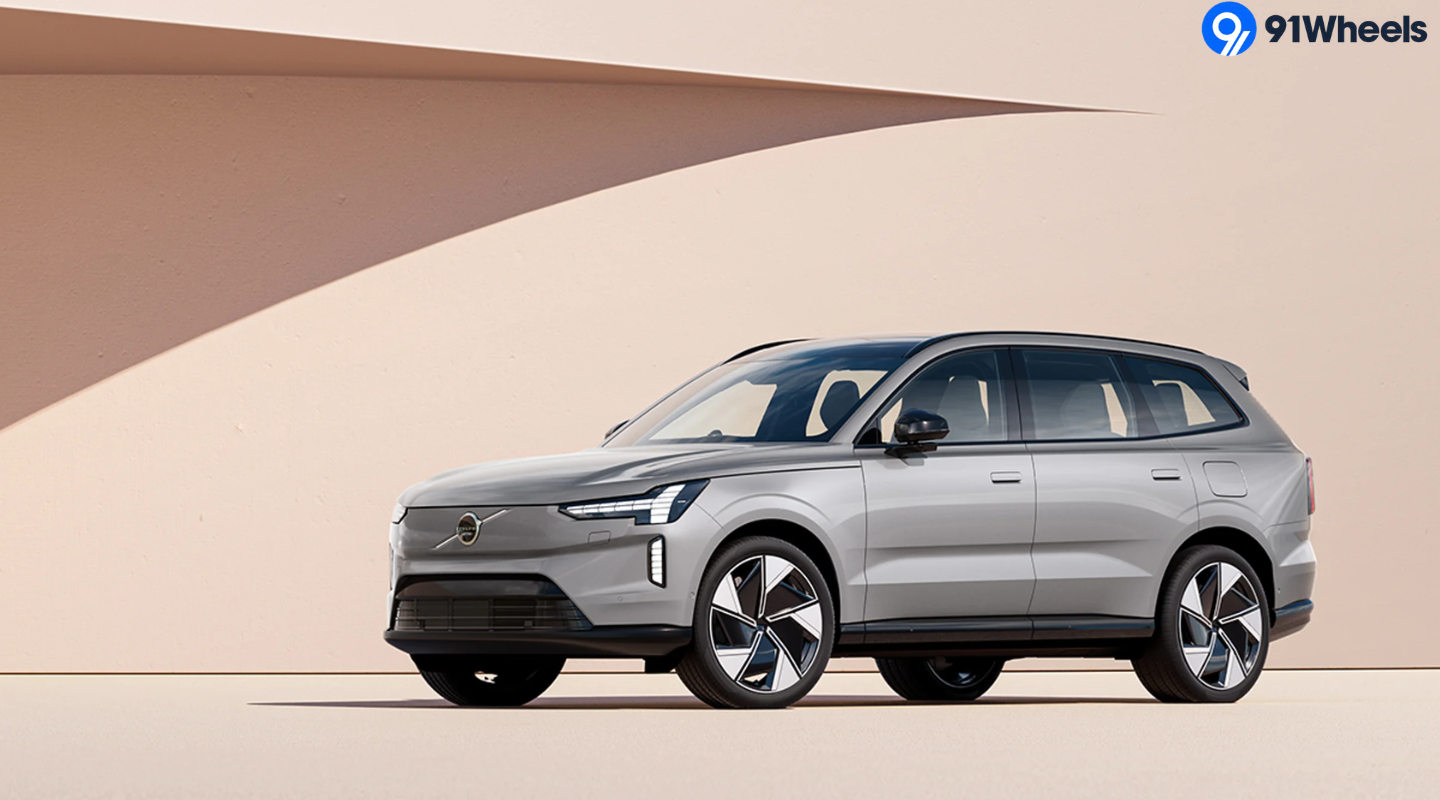
The Volvo ES90 has a higher range than the EX90. The 92kWh ES90 can cover up to 664km on a single charge, while the EX90 is rated at 565km. This is mainly because of the ES90’s lower drag coefficient and more aerodynamic sedan-like body style, which helps it use less energy.
With the larger 106kWh battery, the ES90 offers up to 696km of range. The EX90, meanwhile, has a range of up to 608km. The ES90 gets more range mainly because its lower body is more aerodynamic than the larger EX90 SUV.
Both cars use an 800V system and support fast charging at up to 350kW. Volvo claims both can charge from 10 to 80 percent in around 22 minutes. The Volvo EX90 and ES90 are set to launch in India on October 12. More details on their India specific variants and prices will be revealed closer to the launch.
Volvo EX90 and ES90 charging
Both EVs use an 800V architecture and support DC fast charging at up to 350kW. Volvo claims a 10 to 80 percent charging time of around 22 minutes.
Specification | EX90 92kWh | EX90 106kWh Twin Motor | EX90 Twin Motor Performance | ES90 92kWh | ES90 106kWh |
|---|---|---|---|---|---|
Power | 333hp | 456hp | 680hp | 333hp | 456hp / 680hp |
Torque | 480Nm | 670Nm | 870Nm | 480Nm | 670Nm / 870Nm |
Drivetrain | RWD | AWD | AWD | RWD | AWD |
0 to 100kph | 6.8sec | 5.5sec | 4.2sec | 5.4sec | 4.0sec |
WLTP range | 565km | 608km | 602km | 664km | Up to 696km |
DC charging | 350kW | 350kW | 350kW | 350kW | 350kW |
Volvo EX90 and ES90: Features and Creature Comforts
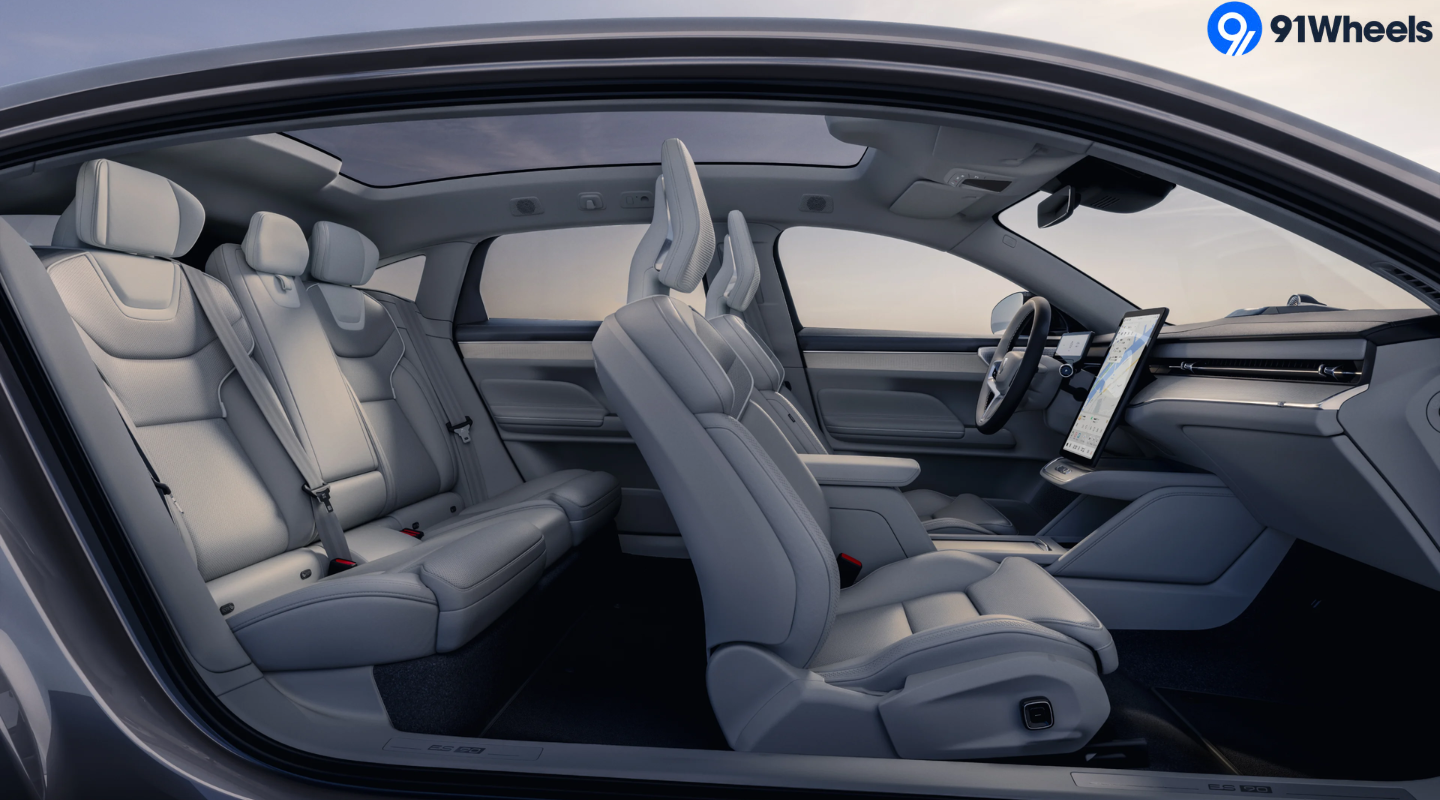
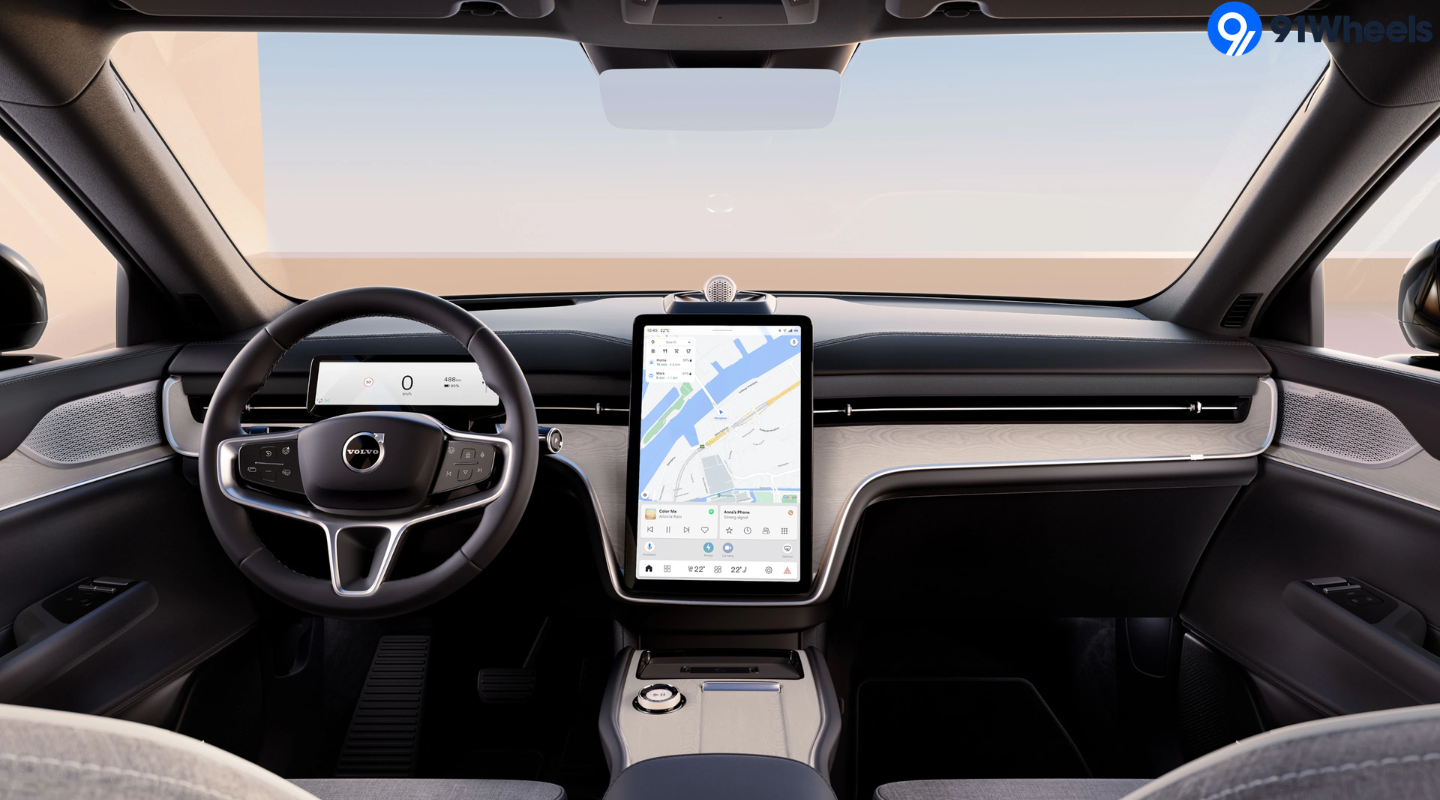
Cabin tech is where both cars really flex. Expect a 5G-enabled connection for seamless OTA updates, along with everyday conveniences like a digital key, four-zone climate control, and a wireless charging pad. Volvo has also thrown in a cabin air purifier, ambient lighting, and powered front seats to round out the comfort quotient, while a panoramic glass roof and a premium sound system add a touch of occasion to the cabin. On the tech front, both EVs get a 360-degree camera, auto park assist, connected car functionality, and Level 3 ADAS (Advanced Driver Assistance Systems) for a more hands-off driving experience. There's also vehicle-to-load (V2L) support, letting owners power external devices or appliances directly from the car's battery.
Volvo EX90 and ES90: Safety Ratings
Safety, unsurprisingly, is where Volvo wants to make its biggest statement. The EX90 has already been crash-tested by Euro NCAP and Australasian NCAP, walking away with a 5-star rating from both agencies, and Volvo is billing it as the safest car the brand has ever built. The ES90, on the other hand, hasn't been through an NCAP crash test yet, so its safety credentials remain officially unverified for now, though it's expected to share much of the EX90's underlying safety architecture given the common SPA2 platform.
Do you like this article?
Comments
No comments yet. Be the first to comment!