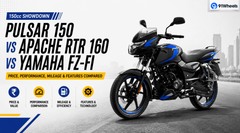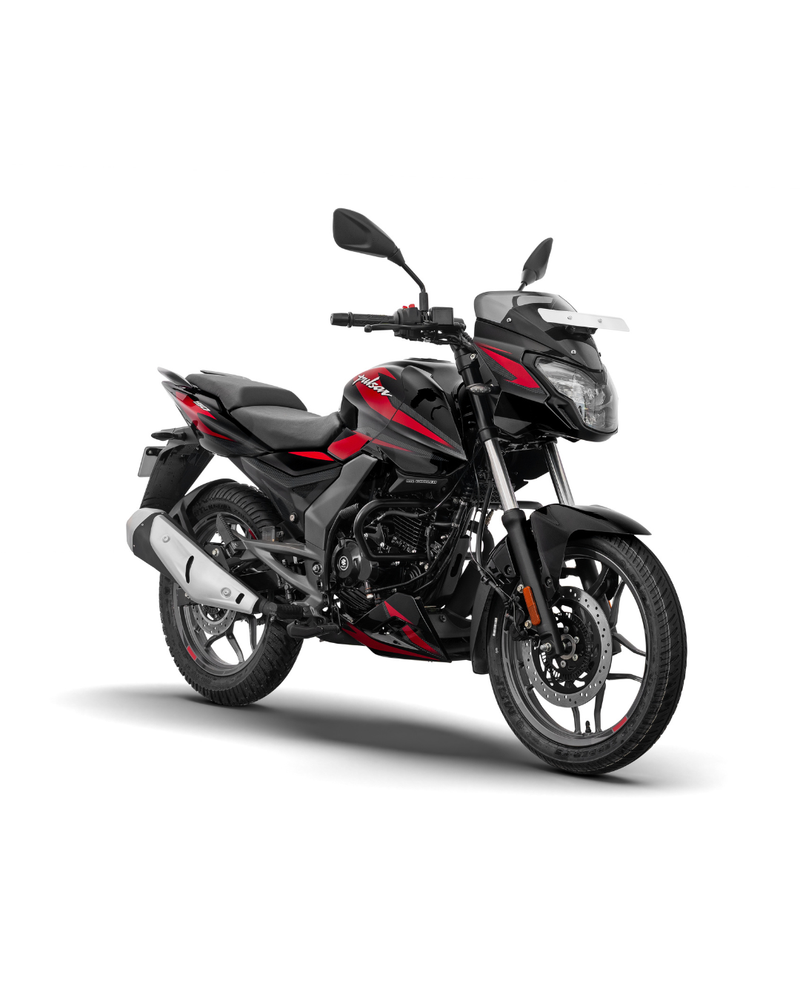
Bajaj Auto has launched the new-generation Pulsar in both 125cc and 150cc guises. Nearly everything is new on this bike: the engine, gearbox, chassis and features. Yet Bajaj has kept the design close to the outgoing model, treating it as an evolution rather than a clean break. Given the fresh appeal and the competition in this segment, here's how the Pulsar 150 stacks up against the TVS Apache RTR 160 and Yamaha FZ FI on price, features and engine performance.
Bajaj Pulsar 150 vs TVS Apache RTR 160 vs Yamaha FZ-Fi: Price
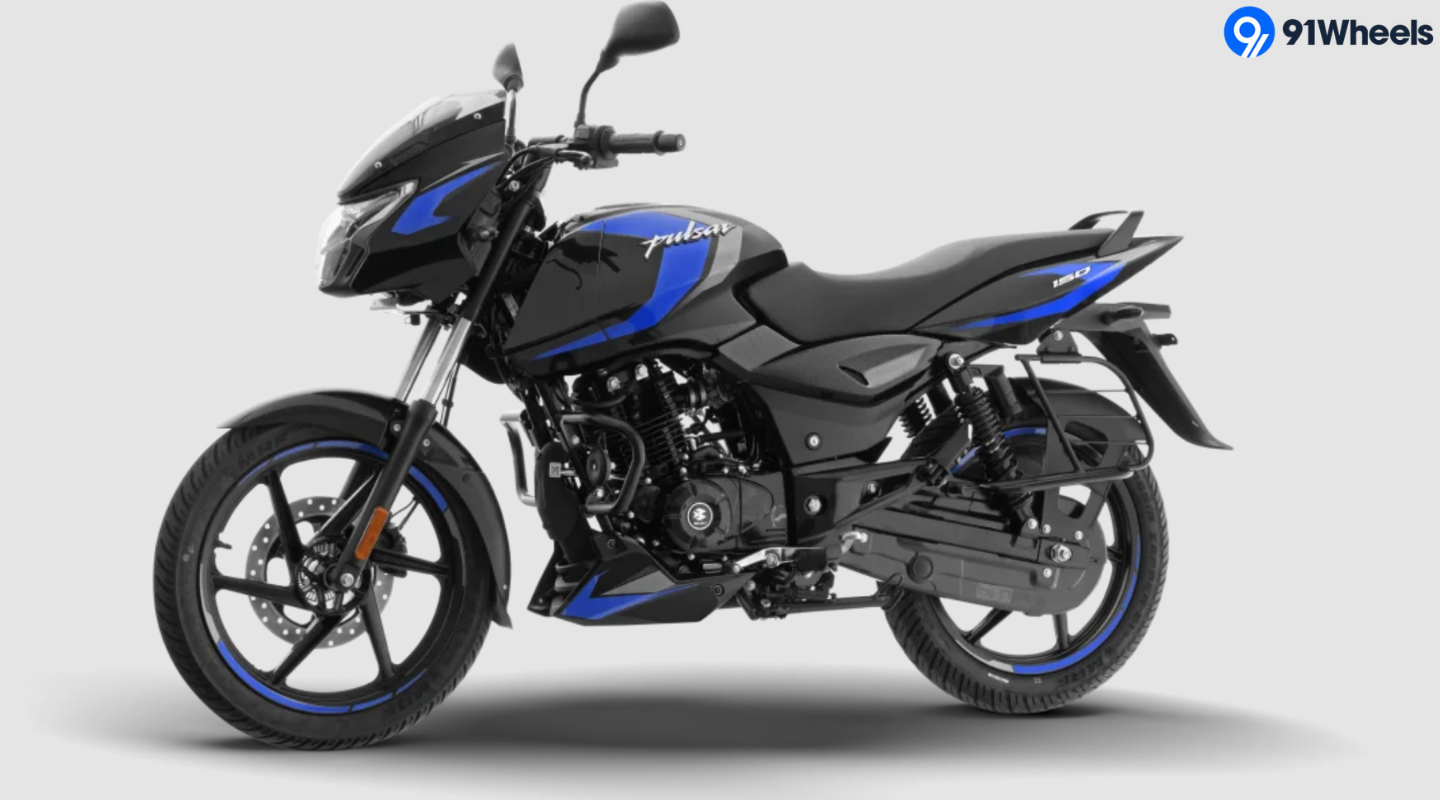
Bajaj Pulsar 150 price starts at Rs 1,15,233 (ex-showroom) for the base variant. The 2026 model is available in three variants, with the top-spec version priced at Rs 1.23 lakh (ex-showroom). The TVS Apache RTR 160 price undercuts it slightly, starting at Rs 1,13,890, though TVS pushed through a small price hike in August 2026. The Yamaha FZ FI price sits at the higher end of this trio, with Yamaha pricing it from around Rs 1.16 lakh, depending on the city and dealership.
Variant | Bajaj Pulsar 150 | Variants | TVS Apache RTR 160 | Variants | Yamaha FZ-Fi |
|---|---|---|---|---|---|
STD | 1,15,233 | RM Drum | 1,13,890 | Cyan Metallic | 1,16,760 |
Twin Disc Single Seat | 1,22,184 | RM Drum | 1,16,140 | Metallic Black | 1,16,760 |
Twin Disc Split Seat | 1,23,187 | RM Disc | 1,19,340 | ||
RM Disc BT | 1,22,440 | ||||
Racing Edition | 1,23,740 | ||||
Dual Channel ABS | 1,26,790 |
Engine and Performance
This is where the trio really starts to show its personality. Start with the Pulsar 150, and you'll find Bajaj has thrown out the old twin-spark motor entirely. In its place sits a new air-oil-cooled 150cc engine, good for 14PS and 13.7Nm through a 5-speed gearbox. It's not a refresh dressed up as new; the internals are genuinely different this time around.
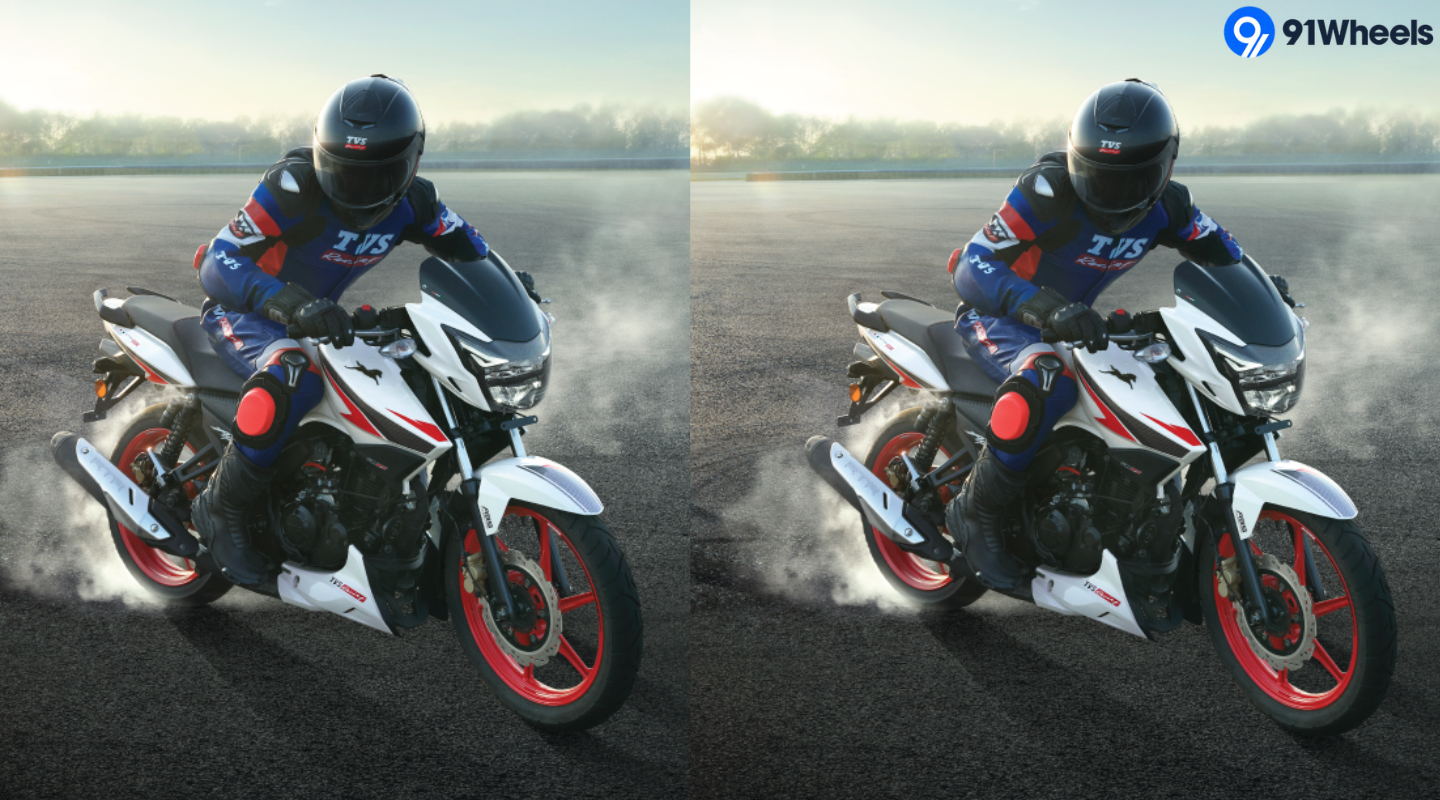
Move over to the Apache RTR 160, though, and the story shifts to outright numbers. TVS has leaned on extra displacement, and its 159.7cc air-cooled unit responds with 16.04PS, comfortably the highest of the three, even if torque dips slightly to 12.7Nm. On paper, this is the bike that feels quickest off the line, and TVS clearly wants riders to notice: Sport, Urban and Rain modes are thrown in, along with Glide Through Technology to take the sting out of stop-start traffic.
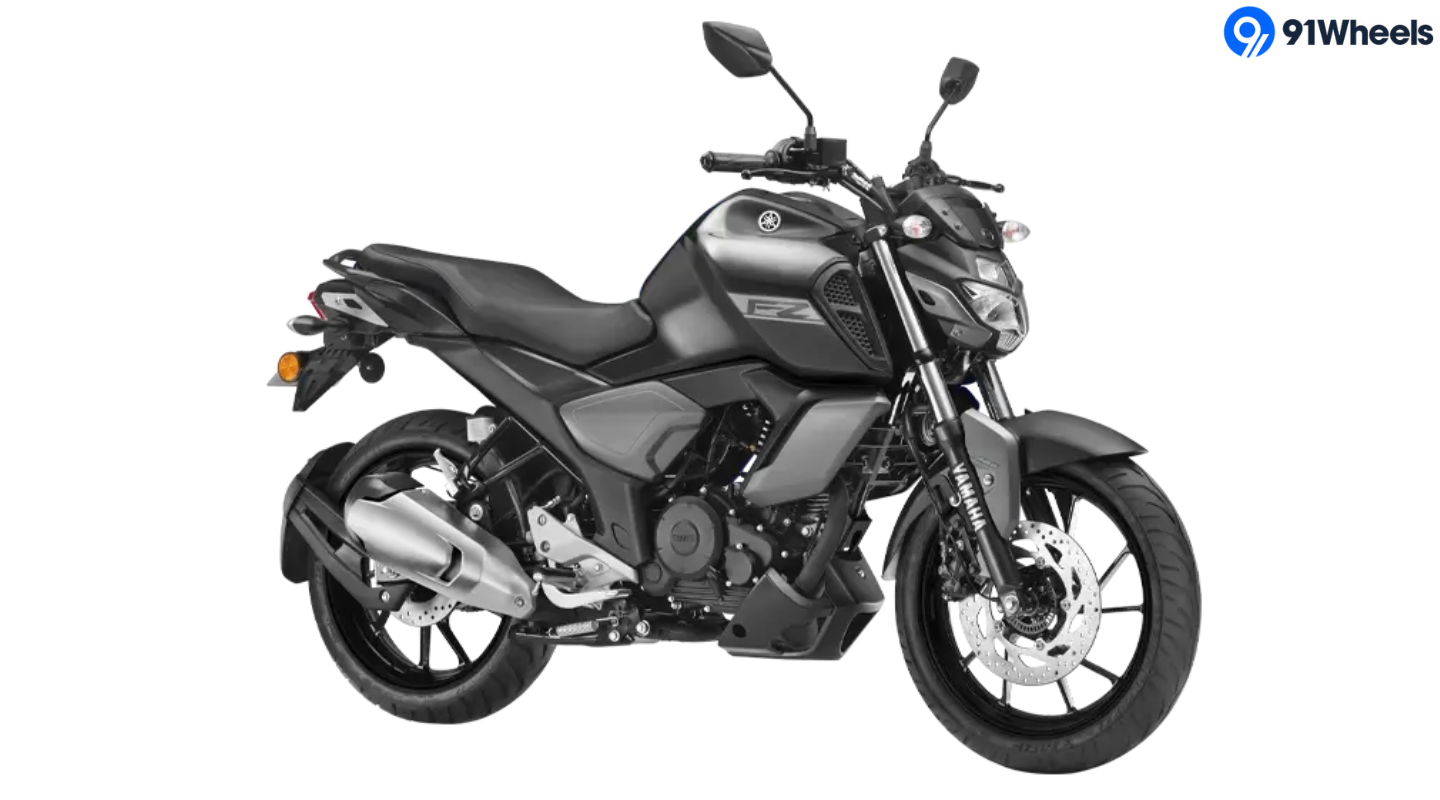
Then there's the FZ Fi, and it plays an entirely different hand. Yamaha hasn't chased peak power here. The 149cc air-cooled engine settles for a more modest 12.2PS and 13.3Nm, prioritising smoothness over drama. It won't out-drag either rival at a signal, but spend a week commuting on it, and that restraint starts to make sense. Fewer vibrations, less fatigue, and an engine that doesn't ask much of the rider in return.
Engine specifications
Specifications | Pulsar 150 | Apache RTR 160 | FZ Fi |
|---|---|---|---|
Engine | 149.5cc | 159.7cc | 149cc |
Power | 14 PS | 16.04 PS | 12.4 PS |
Torque | 13.7 Nm | 13.85 Nm | 13.3 Nm |
Gearbox | 5-speed | 5-speed | 5-speed |
Features and Technology
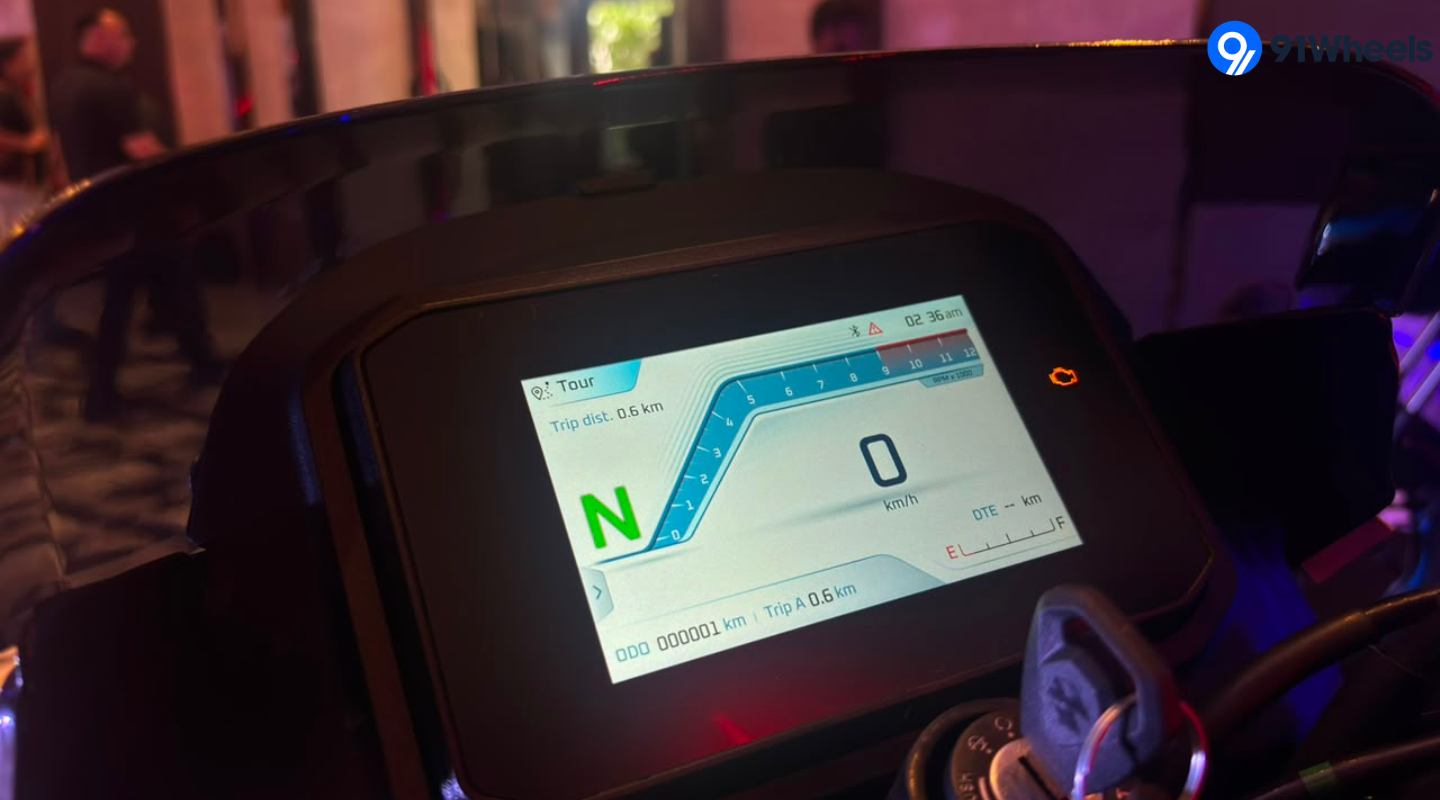
The new Pulsar 150 has made the biggest jump here, and it shows immediately. To begin with, the base variant comes with a 5-inch colour LCD paired with Bluetooth connectivity. Moving up to the higher variants, however, unlocks a TFT display with Wi-Fi and segment-first Google Maps mirroring, a feature you won't find on anything else at this price. Furthermore, single-channel ABS is standard across the entire range, so even the base bike doesn't miss out on safety essentials.
The Apache RTR 160, meanwhile, matches that ambition with a feature set of its own. To start with, SmartXconnect brings full connectivity to the table, and alongside it come Sport, Urban and Rain ride modes that let the rider tailor throttle response to the situation. In addition, dual-channel ABS is on offer here too, unlike on the Pulsar, giving it an edge on outright braking hardware. Altogether, it's clear TVS isn't resting on its older reputation and continues to pack in genuine technology rather than just badge value.
The FZ FI, on the other hand, keeps things simple. It gets a basic LCD display and LED headlamps, but misses out on Bluetooth connectivity and other connected features. There are only two colour options as well. If you want a more premium package, Yamaha offers the FZ-S FI and FZS FI V4, both of which get more features and equipment.
Bajaj Pulsar 150 vs Apache RTR 160 vs FZ FI: Verdict
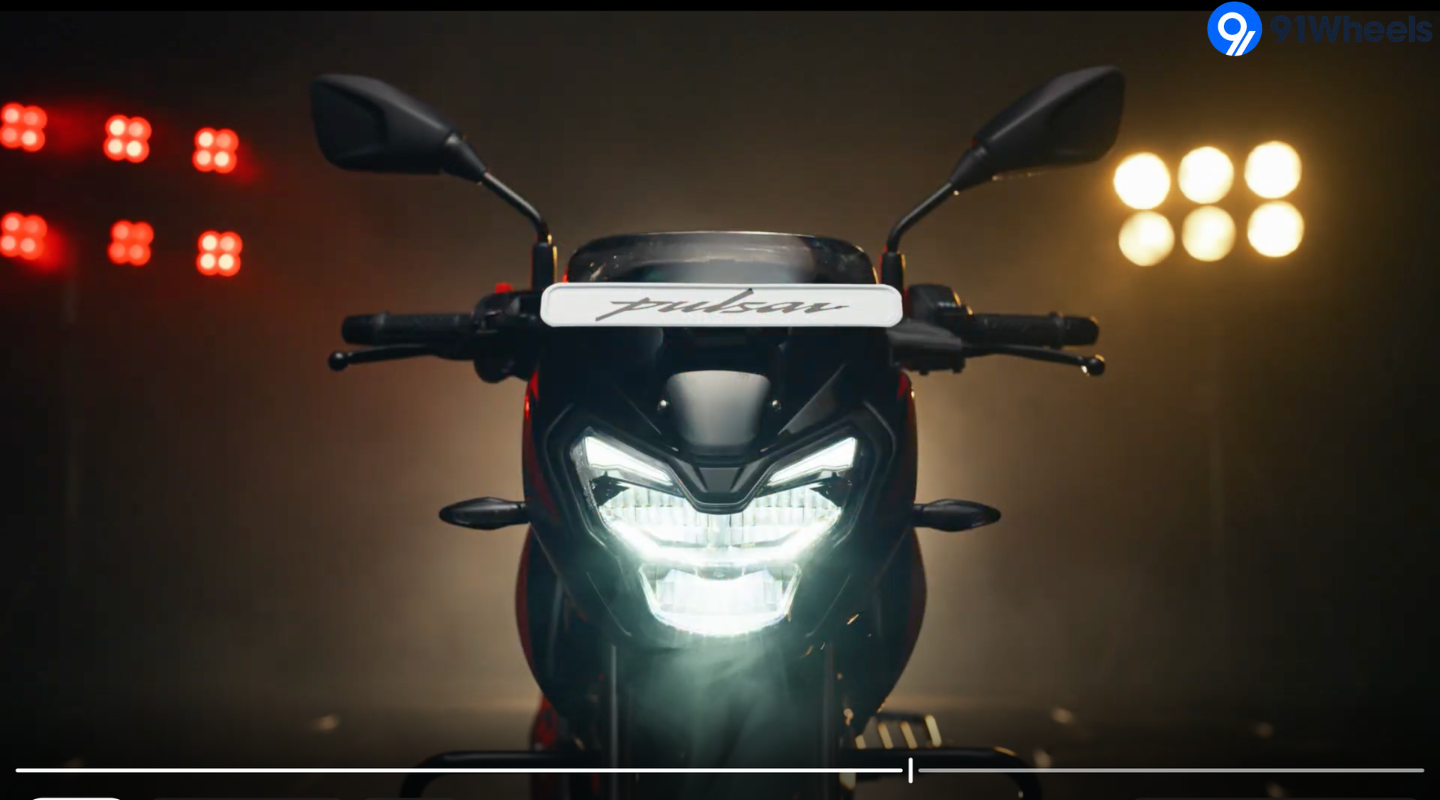
On paper, the new Pulsar 150 comes across as the most compelling package of the three. A fresh engine, a new gearbox, Crawl Tech and a TFT display with Google Maps mirroring is a lot of substance for the price, and going purely by the brochure, it looks hard to beat. That said, this is still a brand-new platform, and Bajaj hasn't put it through a proper road test yet on our end. So while it reads well on paper, we'd reserve final judgement on how it actually rides until a drive review is out.
The Apache RTR 160, in comparison, is the more established of the two. It doesn't run a new engine or a new platform this time around, and the recent update was limited to a price revision rather than any mechanical change. What it does bring, though, is a formula that's been refined over several years, dual-channel ABS, ride modes and SmartXconnect included, all proven in real-world use rather than untested on a spec sheet.
The FZ FI, unfortunately, is harder to justify against these two. At a similar price point, it gives up Bluetooth, a colour display and any of the safety or connectivity extras the other two now offer as standard. Unless outright simplicity is the only thing you're after, it's difficult to make a strong case for it here.
FAQs
Which is more powerful, Pulsar 150 or Apache RTR 160?
The TVS Apache RTR 160 makes more power, at 16.04PS against the Pulsar 150's 14PS. The Pulsar, however, comes close on torque, with 13.7Nm versus the Apache's 13.85Nm.
Is the new Pulsar 150 worth buying over the Apache RTR 160?
The new Pulsar 150 offers a fresher platform, a TFT display with Google Maps mirroring, and Crawl Tech, features the Apache RTR 160 doesn't match. The Apache, though, counters with dual-channel ABS and a proven engine. Since the Pulsar 150 hasn't been road tested yet, it's worth waiting for a full review before deciding.
What is the price difference between Pulsar 150 and FZ FI?
The Bajaj Pulsar 150 starts at Rs 1,15,233 (ex-showroom), while the Yamaha FZ FI starts from around Rs 1,16,760, depending on the city. The FZ FI is marginally more expensive despite offering fewer features.
Does the Pulsar 150 have a TFT display?
Yes, the higher variants of the new Pulsar 150 get a TFT display with Wi-Fi and Google Maps mirroring. The base variant makes do with a 5-inch colour LCD screen instead.
Which of the three has dual-channel ABS?
Only the TVS Apache RTR 160 offers a dual-channel ABS variant, priced at Rs 1,26,790. Both the Pulsar 150 and FZ FI come with single-channel ABS as standard.
Do you like this article?
Comments
No comments yet. Be the first to comment!






.png?w=240&q=40 "Best Bikes Under Rs 2 Lakh: 5 Top Picks From Sports to Adventure")