KEY HIGHLIGHTS
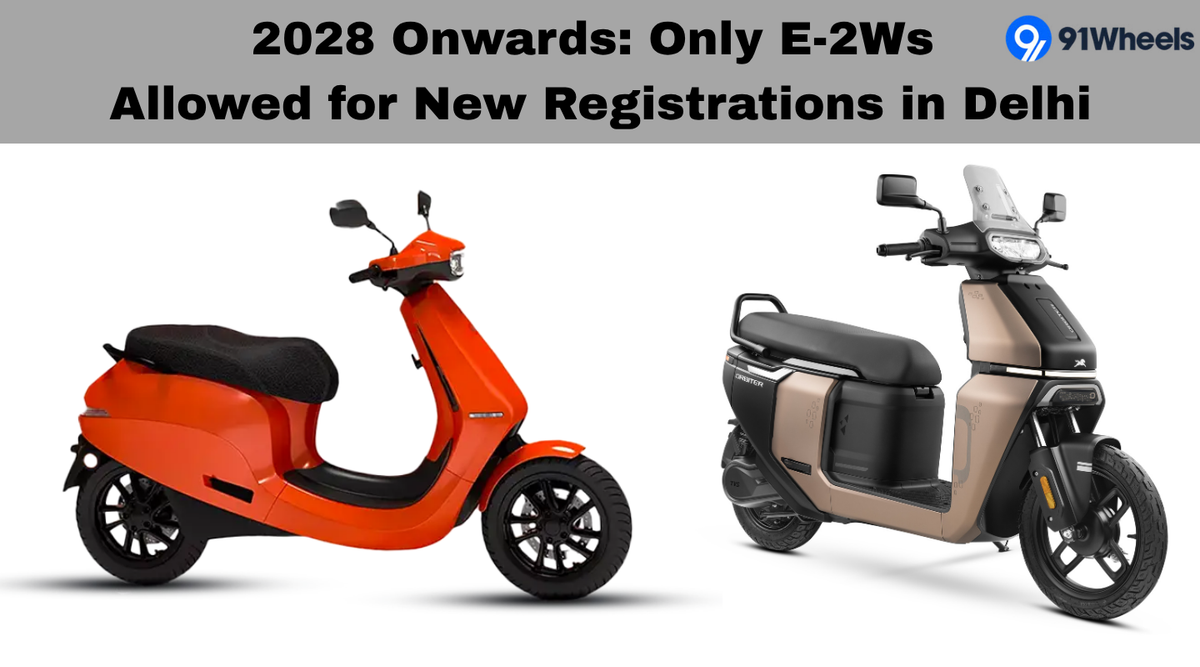
- Only electric 2Ws allowed from 2028.
- Strong push for cleaner urban mobility.
- Incentives and waivers boost EV adoption.
Delhi is doubling down on its clean mobility ambitions with the proposed EV Policy 2.0 (2026-2030), expanding its scope well to reshape the entire urban transport ecosystem. From 2028 onwards, a major shift is planned in the two-wheeler segment-only electric two-wheelers (2Ws) will be eligible for new registrations in the capital. Meanwhile, make sure to join the 91Wheels WhatsApp Channel for all automotive updates.
Also Read - Royal Enfield Flying Flea C6: Who Should Buy and Who Should Not: Check Details
Impact of Policy
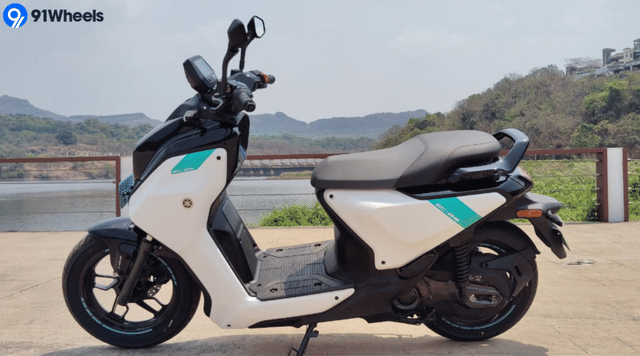
This move is expected to significantly cut emissions from one of the most widely used vehicle categories in Delhi, where petrol-powered scooters and motorcycles currently dominate daily commuting. The policy also places strong emphasis on electrifying government operations. All government fleets will gradually transition to electric vehicles (EVs), reinforcing the administration's commitment to lead by example. Notably, existing BS-VI compliant two-wheelers in government fleets will only be allowed to operate until December 31, 2026, after which they must be replaced with electric alternatives.
Exemption & Feedback
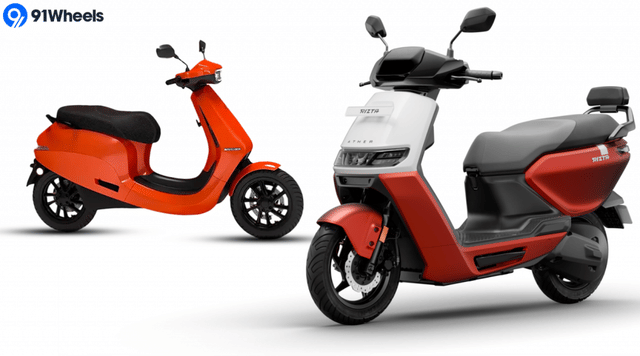
In a bid to accelerate EV adoption among private buyers, the government is offering a major financial incentive-full exemption from road tax and registration charges for all electric cars registered in Delhi until 2030. This is expected to make EVs more affordable and attractive, especially in comparison to conventional internal combustion engine (ICE) vehicles.
Another important aspect of the draft policy is its inclusive approach. The government has opened the proposal for public feedback for 30 days following its release on April 11, 2026. This allows citizens, industry stakeholders, and experts to share their suggestions and concerns before the policy is finalized.
These measures form a comprehensive roadmap aimed at achieving nearly 98% electric vehicle adoption in new registrations by 2030.
Also Read - Royal Enfield Flying Flea C6 E-Bike Launched At Rs. 1.99 Lakh (Ex-sh, BaaS)
Verdict
Overall, Delhi EV Policy 2.0 signals a bold and structured transition towards electrification across vehicle segments, setting a strong precedent for other cities to follow. The policy underscores a clear vision-reducing air pollution, lowering dependence on fossil fuels, and building a cleaner, more sustainable transport system for the future.
Do you like this article?
Comments
No comments yet. Be the first to comment!






.png?w=240&q=40 "Cars With Highest Ground Clearance Under Rs 10 Lakh in India: Check List Here")
.png?w=240&q=40 "Skoda Slavia Facelift Variants Explained: Which Trim Should You Buy?")