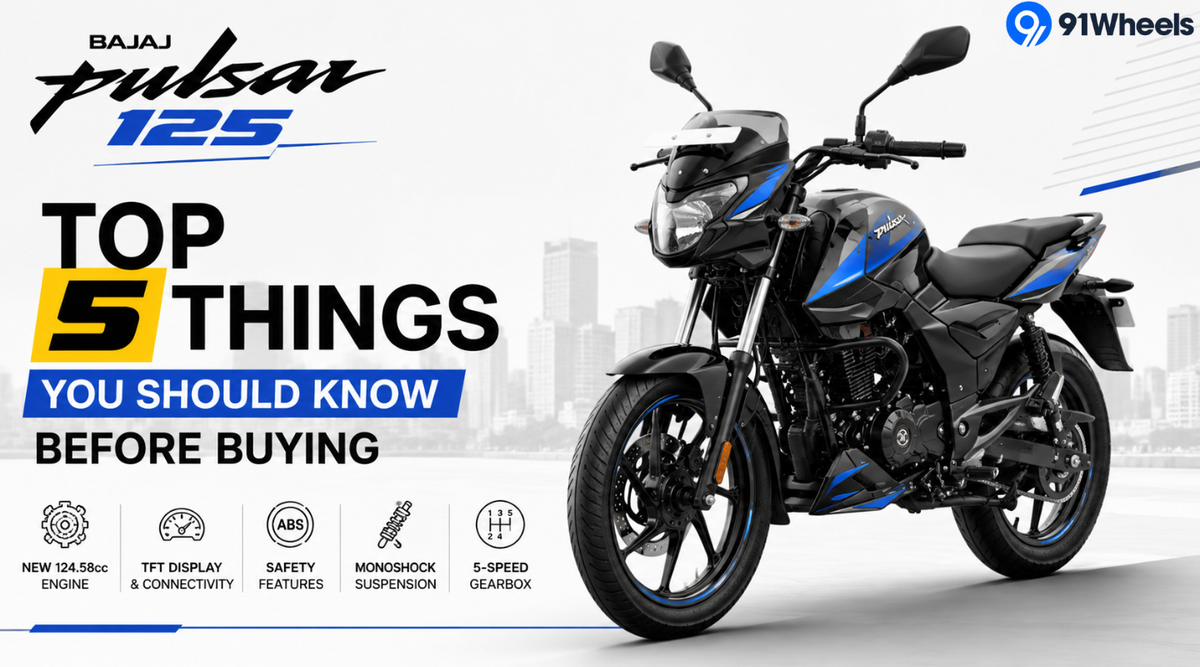
The new generation Bajaj Pulsar 125 has finally arrived in India, marking one of the biggest updates to the iconic 125cc motorcycle in recent years. Launched as part of the Pulsar brand’s 25th anniversary celebrations, the new Pulsar 125 gets changes to its engine, gearbox, chassis, suspension, design and features.
The 2026 Bajaj Pulsar 125 starts at Rs 92,990 ex showroom in Delhi, while the range topping variant costs around Rs 1.04 lakh. More importantly, Bajaj has moved the Pulsar 125 further upmarket with features such as a 5 inch TFT display, Google Maps navigation, ride modes, Crawl Tech and an Integrated Starter Generator on higher variants.
If you are planning to buy the new Bajaj Pulsar 125, here are the five most important things you should know before making a decision.
1. The Bajaj Pulsar 125 Gets a Completely New Engine and Gearbox
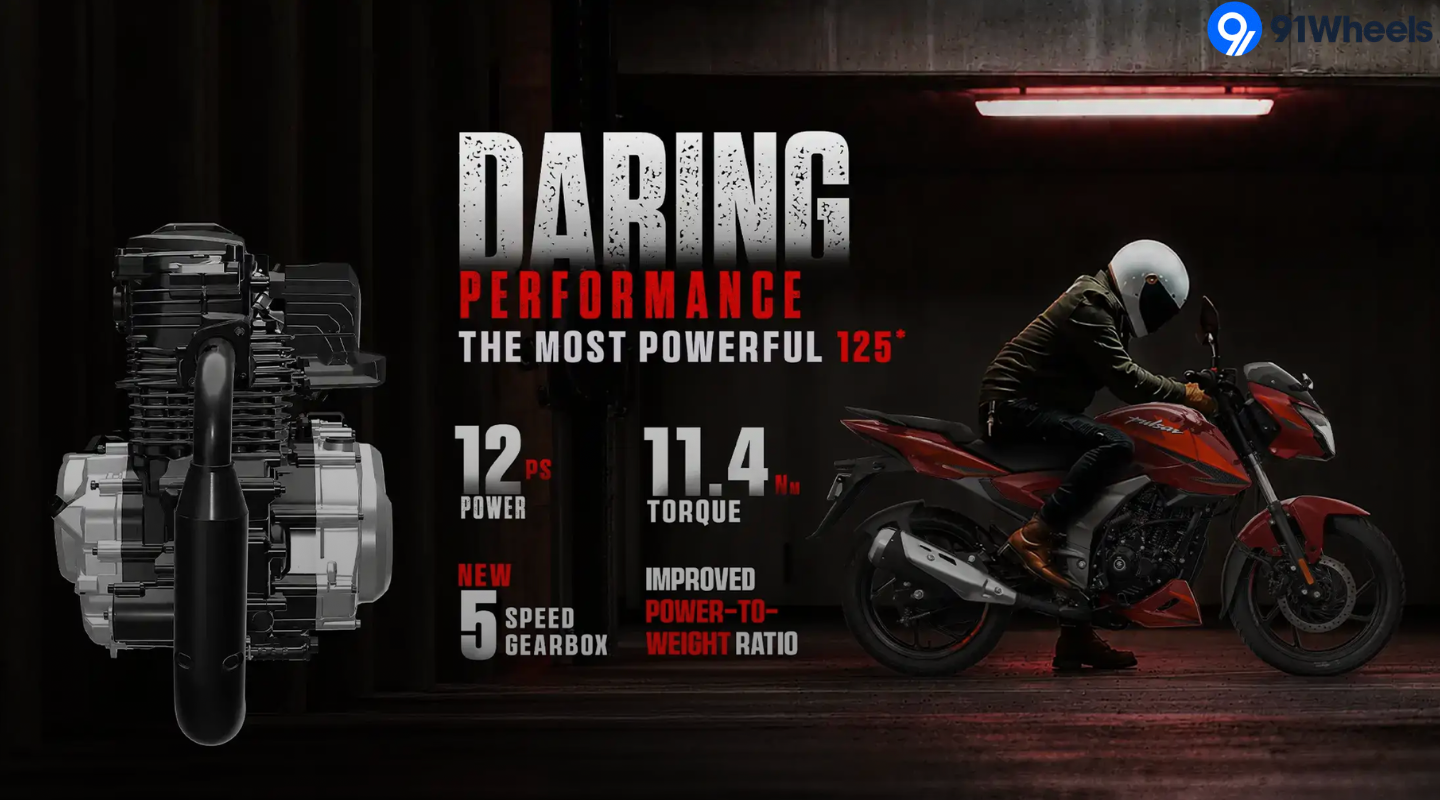
The biggest change is underneath the familiar Pulsar design. At the heart of the new motorcycle, the Bajaj Pulsar 125 gets a 124.58cc single cylinder engine that produces 12 PS and 11.4 Nm, according to the latest published specifications. This engine is paired with a new five speed gearbox.
Compared to the outgoing motorcycle, the new engine brings a small but useful increase in performance. At the same time, Bajaj has worked on the power delivery, with the new gearbox designed to provide stronger tractive effort in the lower gears. As a result, the Pulsar 125 should feel more responsive during city riding, particularly when accelerating away from traffic lights or riding with a pillion.
Bajaj also claims that the new Pulsar 125 has an improved power to weight ratio, which helps it deliver quicker 0 to 60kmph acceleration.
The company has positioned the new Pulsar 125 as the most powerful 125cc motorcycle in the market, although the exact performance advantage will ultimately depend on how it compares with rivals such as the TVS Raider 125, Honda SP 125 and Hero Glamour X in real world conditions.
2. It Gets a Monoshock and a New Chassis
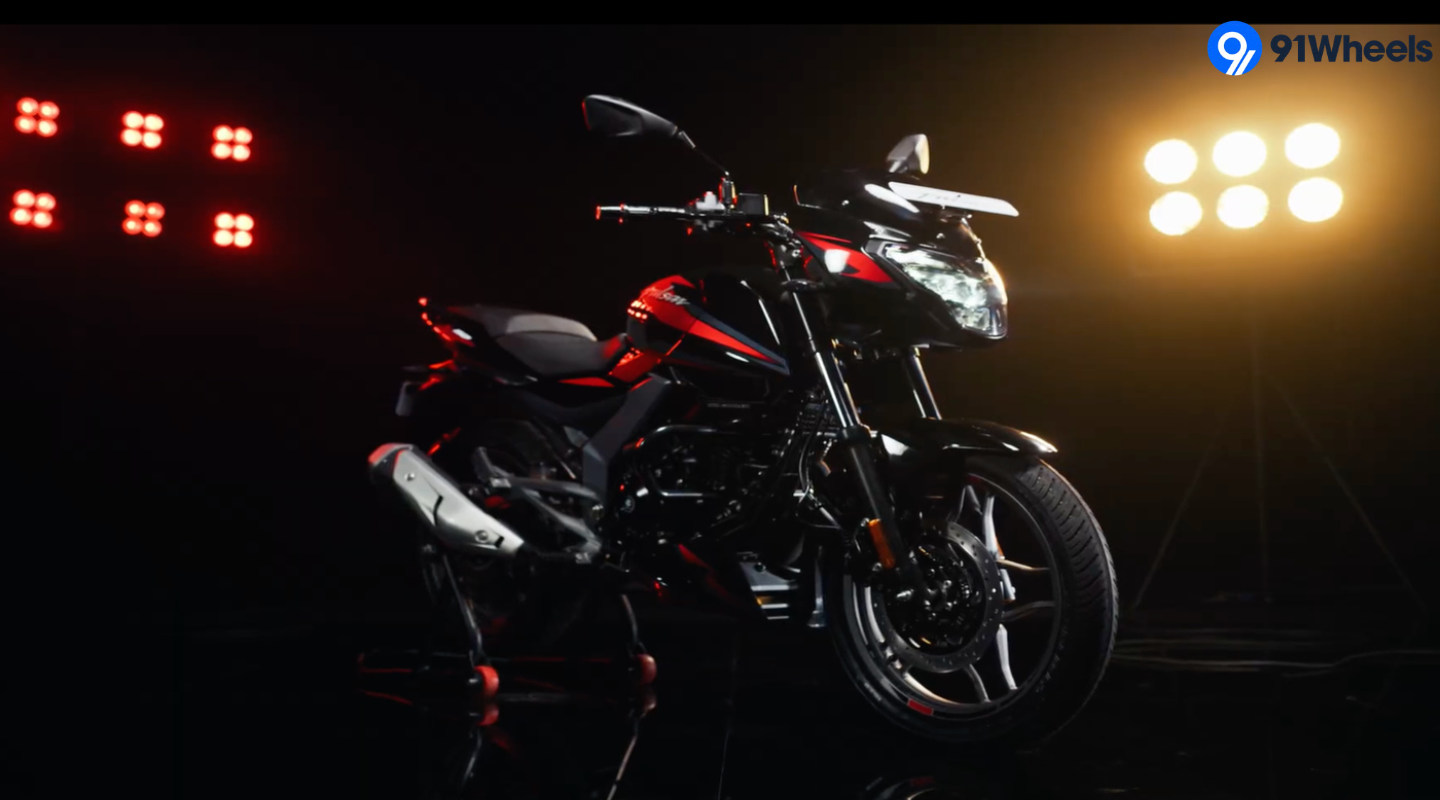
The rear suspension setup is another major change on the 2026 Bajaj Pulsar 125. Unlike the previous model, which used twin rear shock absorbers, the new motorcycle gets a gas charged monoshock.
Bajaj has also reworked the chassis, replacing the previous setup with a stiffer diamond type frame. The engine forms part of the frame structure, which is aimed at making the Pulsar 125 more stable and composed while improving its handling. For buyers, the change is important because the Pulsar 125 is no longer simply an updated commuter motorcycle. The new chassis and monoshock setup are aimed at giving it a more controlled and sporty riding experience.
The monoshock should also make the motorcycle feel more planted at higher speeds, while the stiffer frame is expected to improve the way the bike responds to steering inputs.
If you are buying this bike primarily for daily commuting, this hardware upgrade could be one of the most noticeable changes compared with the older motorcycle.
3. The 5 Inch TFT Display Is One of Its Biggest Upgrades
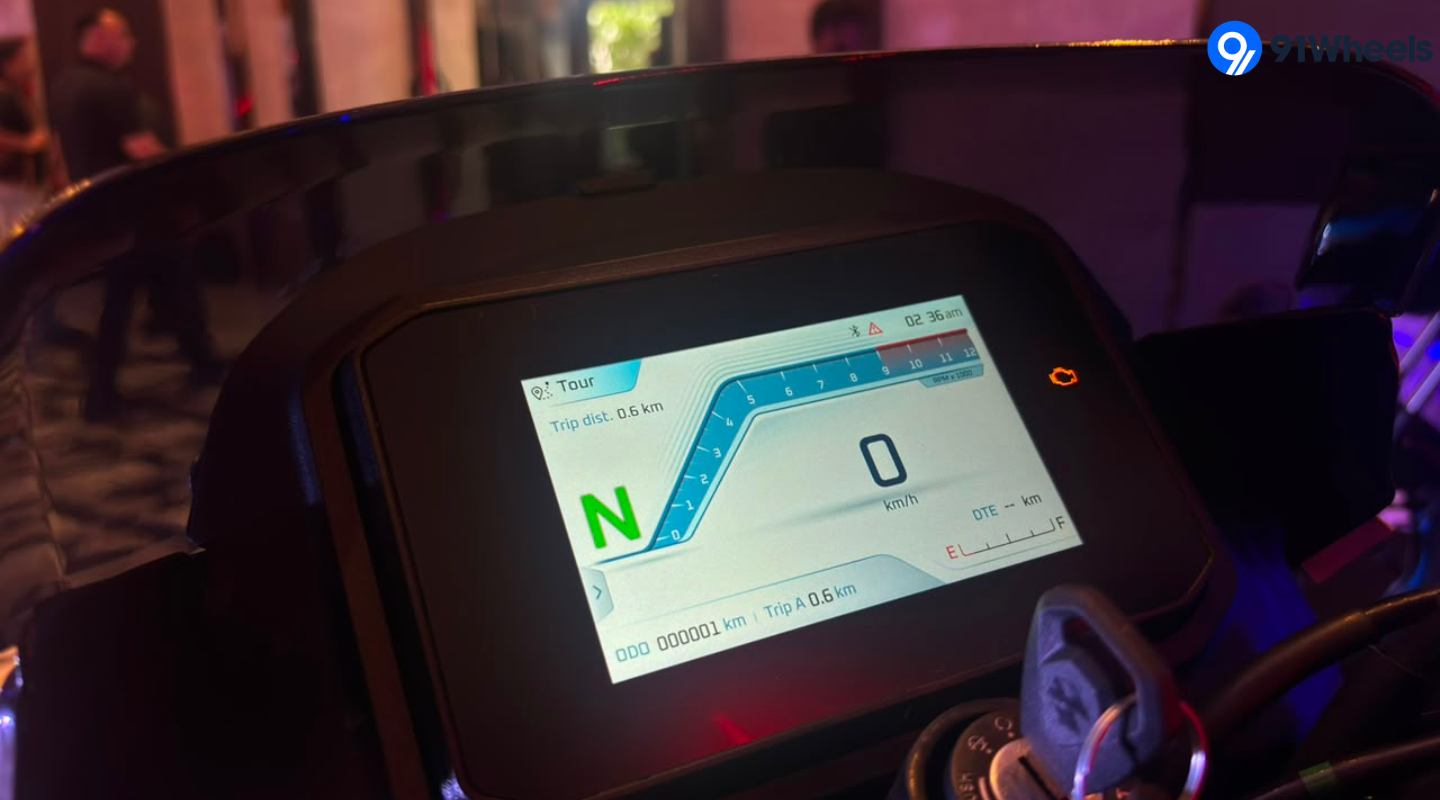
The new Bajaj Pulsar 125 is considerably more feature rich than the previous generation motorcycle. Depending on the variant, the motorcycle gets either a digital LCD instrument cluster or a 5 inch TFT console. With the TFT console, the Pulsar 125 gets several connected features, including Google Maps mirroring and navigation, live call and message alerts, music controls and the ability to store important vehicle documents such as the registration certificate and insurance details.
As a result, the Pulsar 125 takes a significant step forward in terms of technology, especially since TFT displays and connected features were previously more common on larger and more expensive motorcycles. In addition, the motorcycle gets three riding modes called Road, Rain and Sport. These modes are designed to adjust the motorcycle's response according to different riding conditions.
Another notable addition is Crawl Tech, which is designed to make low speed riding easier by giving the rider greater control in slow moving traffic. For riders who regularly commute through crowded Indian cities, this feature could prove particularly useful in everyday riding. However, the TFT console and connected technology are not available on every Pulsar 125 variant. Therefore, buyers should check the exact equipment list before choosing one of the lower priced versions.
4. The New Pulsar 125 Is More Premium, So It Is Also More Expensive
The 2026 Bajaj Pulsar 125 starts at Rs 92,990 ex showroom in Delhi, while the top specification version costs around Rs 1.04 lakh. The motorcycle is available in different combinations of single seat, split seat, LCD and TFT instrumentation, giving buyers the option to choose the variant that best suits their needs.
However, the price difference between variants is important because the more expensive versions get much of the technology that makes the new Pulsar 125 stand out.
Meanwhile, the top variants also get Bajaj's Integrated Starter Generator. This system enables automatic start stop functionality and silent engine starts, which can be useful in stop and go traffic while also helping improve fuel efficiency.
Therefore, if you are looking for an affordable 125cc motorcycle, the base Pulsar 125 could make more sense. On the other hand, if you want stronger performance, more features and a more sophisticated chassis, the higher variants make a stronger case.
5. The Pulsar 125 Still Keeps the Classic Pulsar Design
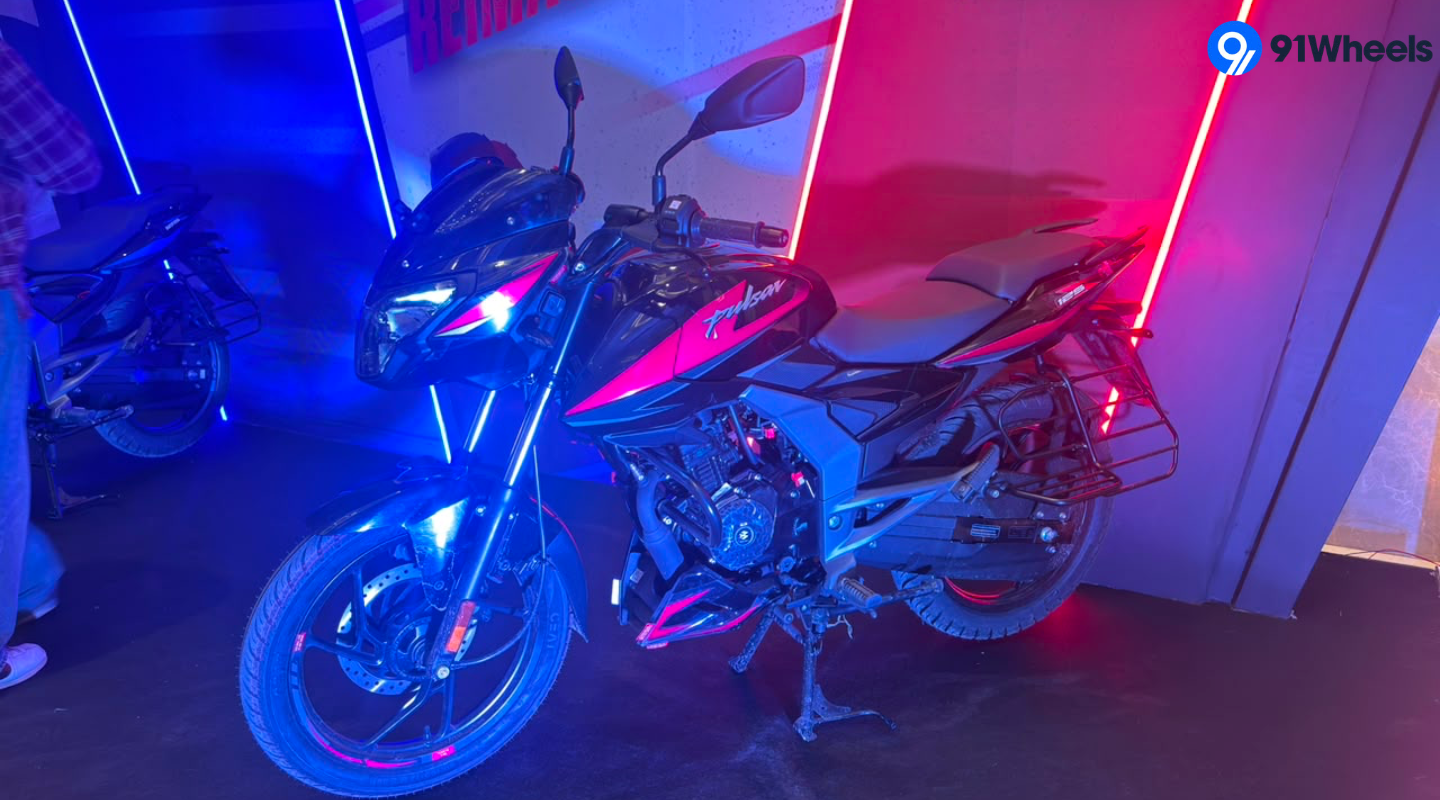
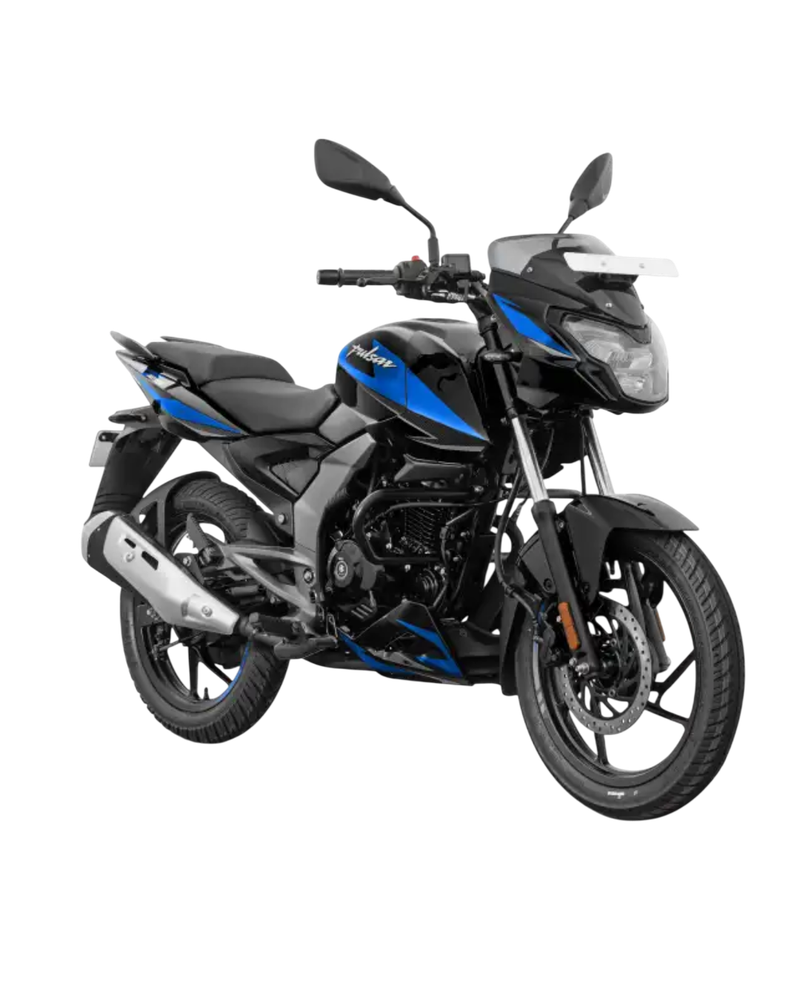
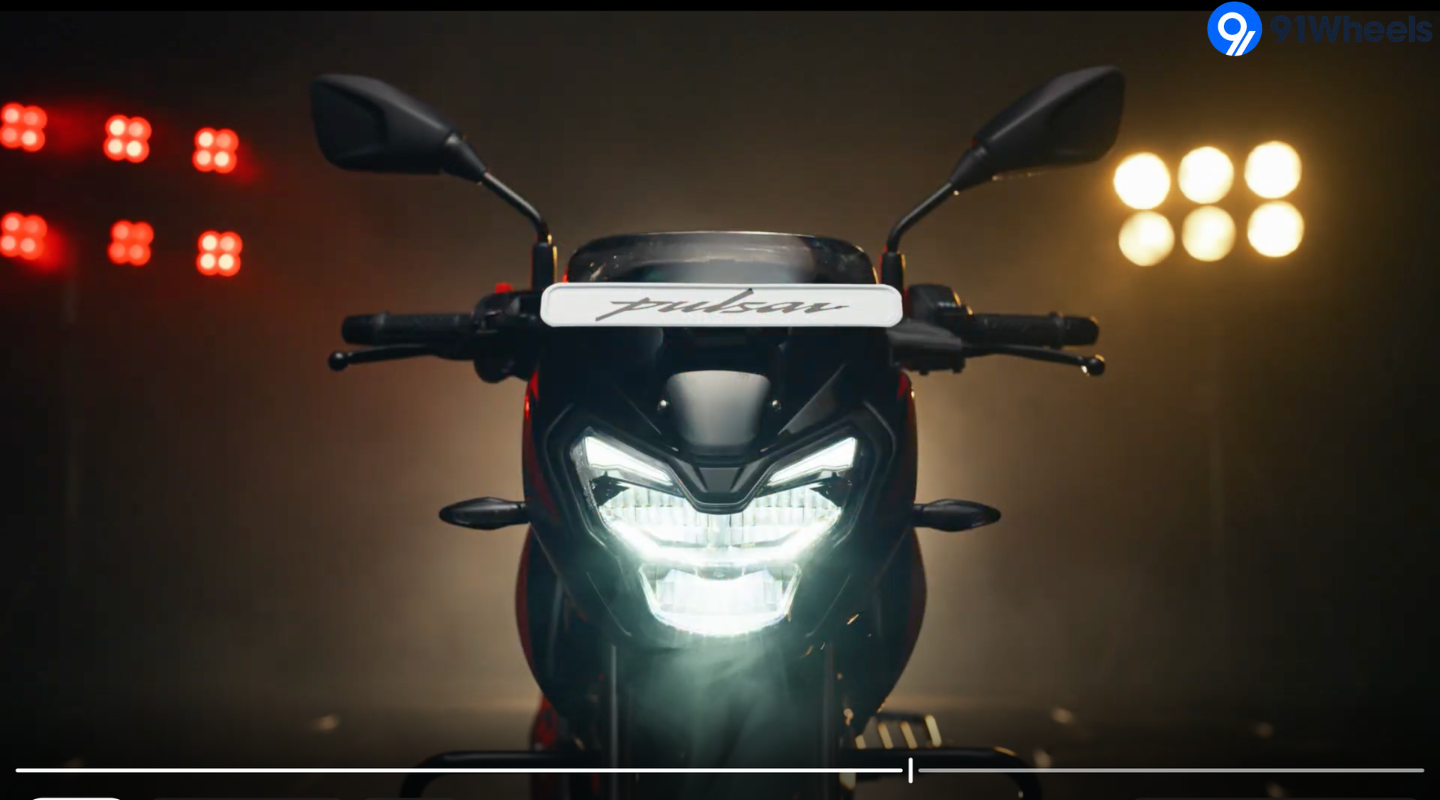
Despite all the mechanical and technological changes, Bajaj has not completely reinvented the Pulsar 125's identity. The new motorcycle retains the familiar Pulsar silhouette, muscular fuel tank and sporty stance. However, the design has been modernised with a sharper headlamp section, redesigned Wolf Eye LED headlamp and more aggressive tank extensions.
This is important for existing Pulsar fans because the new motorcycle looks more modern without losing the visual character associated with the classic Pulsar range.
The design is also one of the reasons the Pulsar 125 continues to occupy a slightly different position from more commuter focused motorcycles. It is intended to offer everyday usability while retaining the sporty appearance and riding character that have been central to the Pulsar brand since its introduction in 2001.
Should You Buy the New Bajaj Pulsar 125?
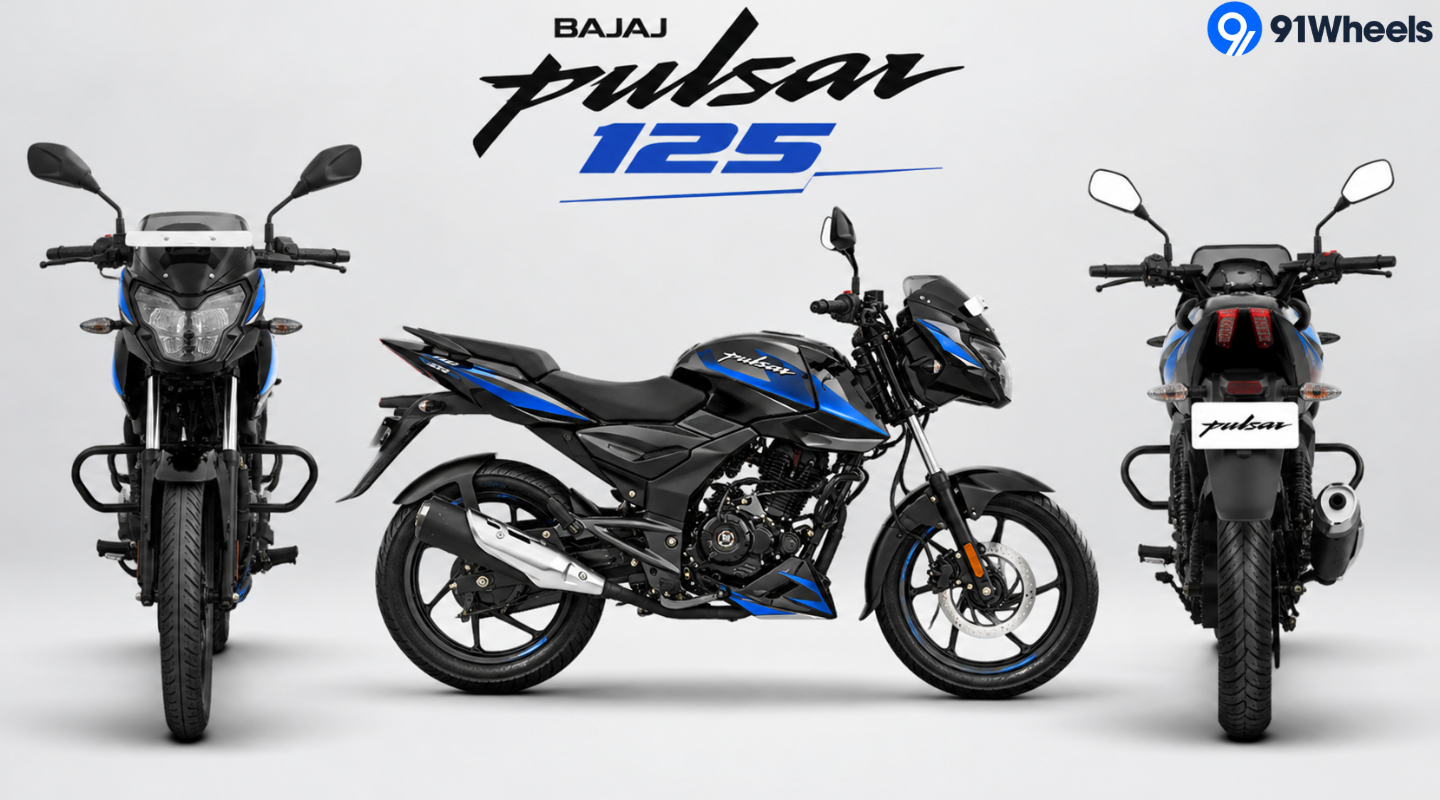
The 2026 Bajaj Pulsar 125 is a much more comprehensive update than the previous model. Along with the new engine, five speed gearbox, stiffer chassis and monoshock suspension, the motorcycle also gets a TFT display, navigation, ride modes, Crawl Tech and connected features, making it significantly more modern.
At the same time, the biggest advantage is that it combines the familiar Pulsar design with technology and hardware that were previously uncommon in this segment.
However, buyers should choose the variant carefully. The base version keeps the price relatively accessible, while the higher variants add the TFT console, connected features and ISG technology. Therefore, if you want the full experience offered by the new Pulsar 125, you will have to spend considerably more than the entry price.
Overall, the new Bajaj Pulsar 125 makes a stronger case as a sporty 125cc motorcycle for everyday use. At the same time, the motorcycle is more powerful, better equipped and mechanically more sophisticated than before, while retaining the classic Pulsar character that has made the nameplate popular for 25 years.
Bajaj Pulsar 125 Quick Facts
Price: Rs 92,990 onwards, ex showroom Delhi
Engine: 124.58cc, single cylinder
Power: 12 PS
Torque: 11 Nm
Gearbox: 5 speed
Rear suspension: Gas charged monoshock
Frame: New diamond type frame
Instrument console: LCD or 5 inch TFT, depending on variant
Ride modes: Road, Rain and Sport
Connected features: Google Maps, navigation, call and message alerts, music controls and document storage
Special technology: Crawl Tech and Integrated Starter Generator on higher variants
Key rivals: TVS Raider 125, Honda SP 125 and Hero Glamour X
Do you like this article?
Comments
No comments yet. Be the first to comment!






.png?w=240&q=40 "Best Bikes Under Rs 2 Lakh: 5 Top Picks From Sports to Adventure")