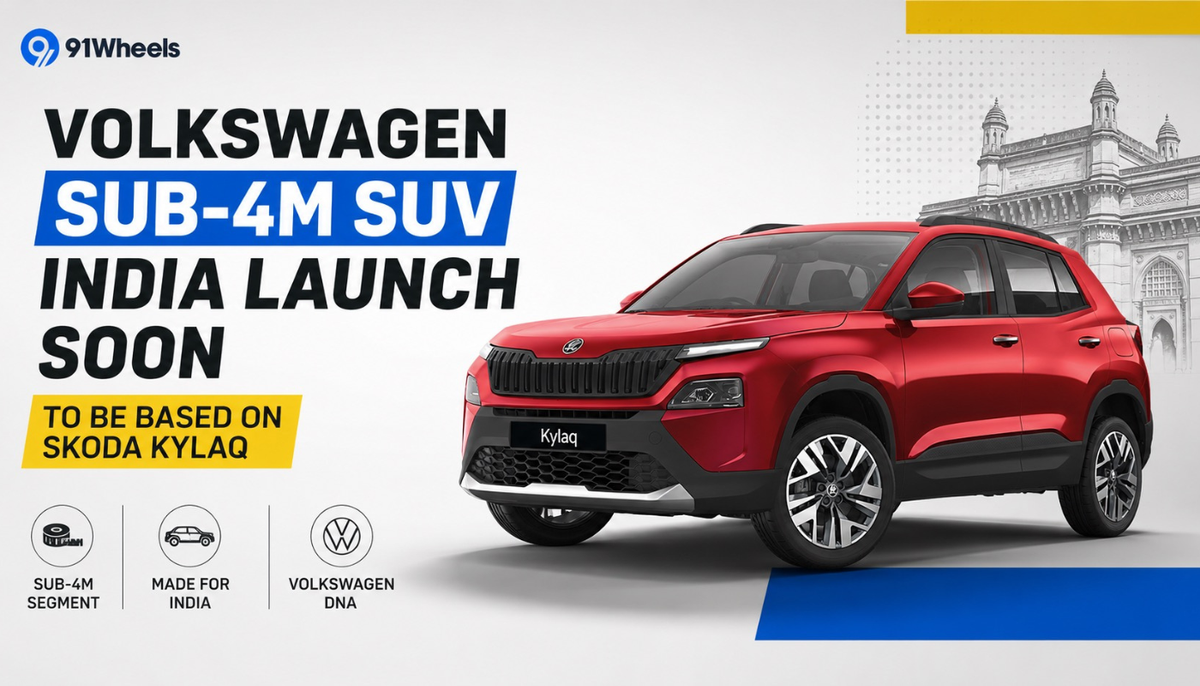
Volkswagen is finally making its move into one of India's busiest car segments. The German brand has secured internal sign-off for a new sub-4-metre SUV that will be built on the same underpinnings as the Skoda Kylaq, marking its long-awaited comeback to the compact end of the market after years of focusing on the more premium Taigun and Virtus. Check out all the relevant details below.
A Rs. 275 Crore Bet on Volume
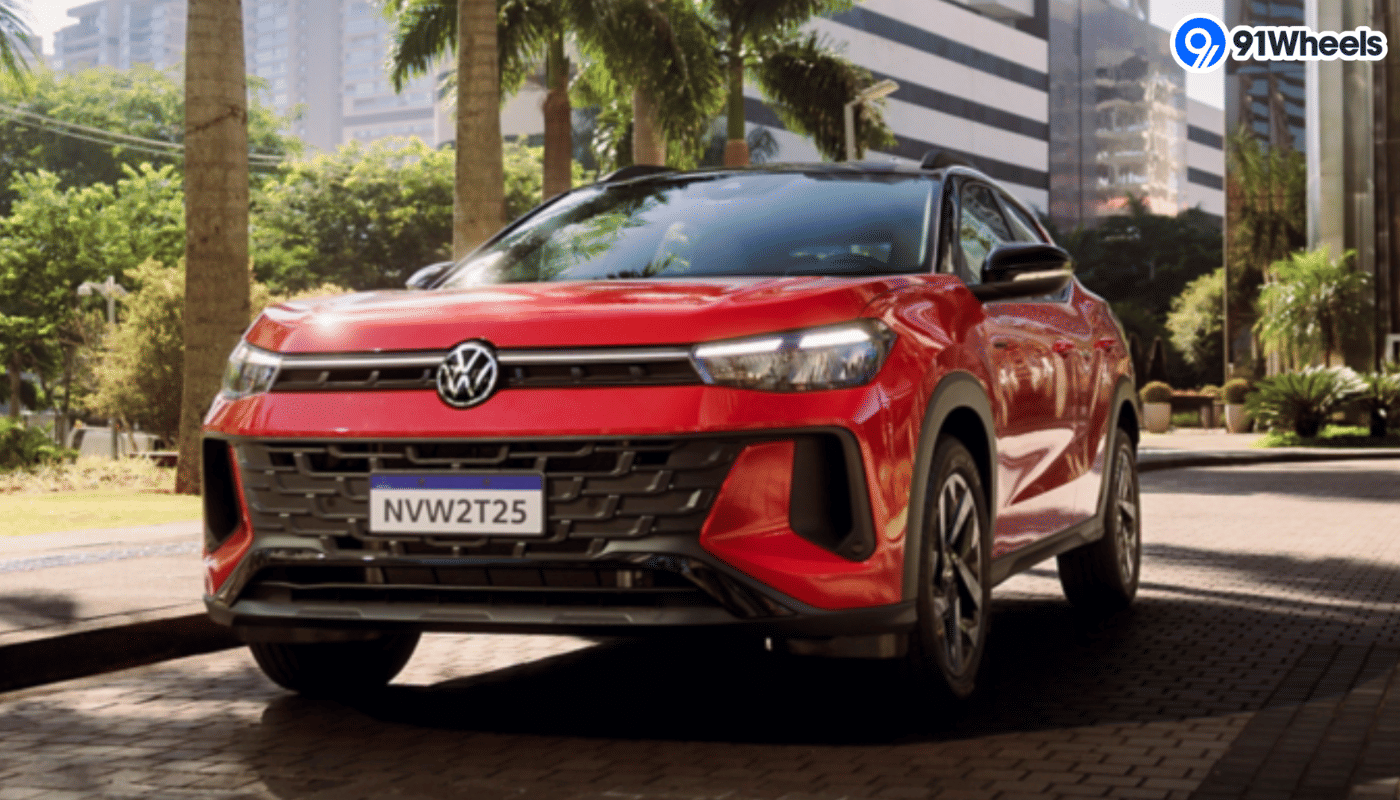
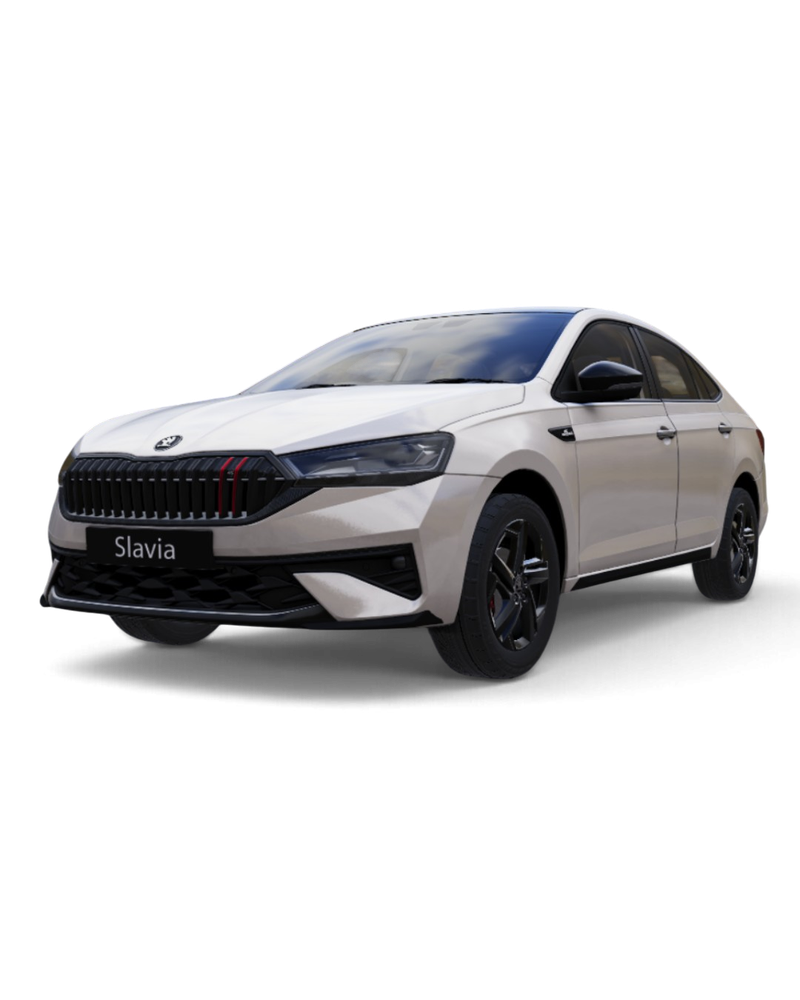
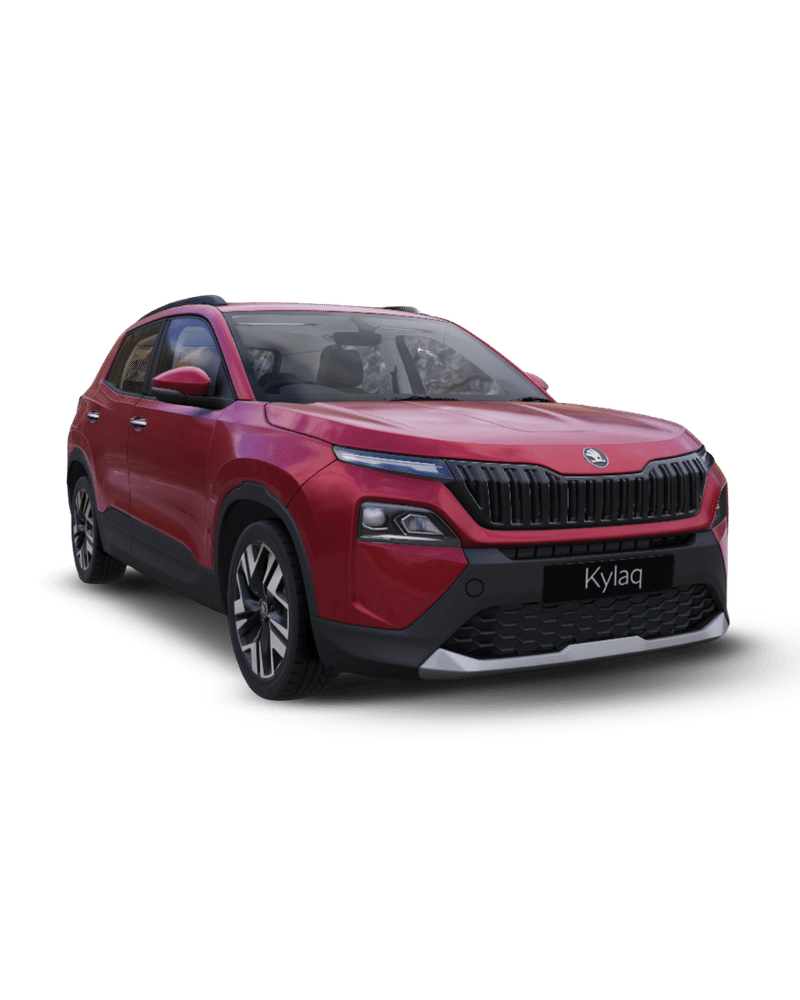
The project has reportedly been given the green light with an investment of close to €25 million, or roughly Rs. 275 crore. That's a relatively modest outlay by automotive standards, and it's modest by design rather than engineering something from scratch. Volkswagen is leaning on the Kylaq's already-localised MQB-A0-IN platform, the same architecture that also sits under the Skoda Kushaq, Skoda Slavia, and Volkswagen's own Taigun and Virtus. Reusing proven engineering keeps tooling and development costs contained while letting Volkswagen tap into a supplier base that's already well established in India.
For context, the Kylaq itself measures 3,995mm in length, rides on a 2,566mm wheelbase, and offers 189mm of ground clearance figures Volkswagen's version is likely to stay close to, given the shared platform.
Volkswagen Sub-4-metre SUV: Why Now?
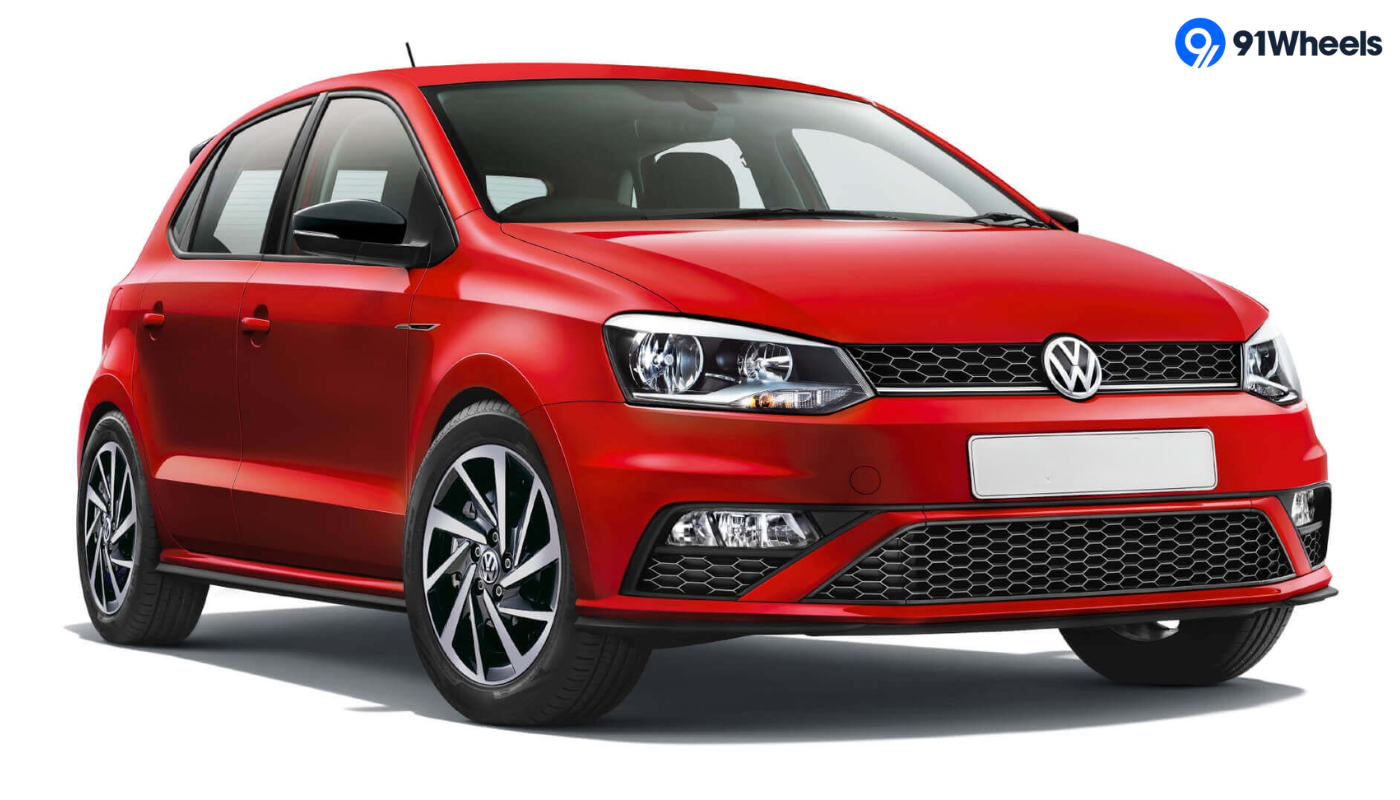
Volkswagen isn't a stranger to sub-4m cars in India - it once sold the Polo hatchback and the Ameo compact sedan here before both were discontinued, leaving the brand without a genuine volume product. Since then, its India lineup has stayed anchored around the Taigun and Virtus, both of which sit a rung above the mass-market segment.
That gap has become harder to ignore. India's sub-4-metre SUV space spanning compact and micro-SUVs now moves close to 1.1 lakh units a month, contributing around 30 percent of the country's total passenger vehicle sales and more than half of all UV volumes. A cut in GST on qualifying compact cars from 28 percent to 18 percent, along with a steady shift of hatchback buyers toward SUVs, has only added fuel to that growth. Skoda's own Kylaq has ridden that wave since its launch last year, and its performance appears to have given Volkswagen the confidence to greenlight a badge-engineered sibling of its own.
Not Just a Rebadged Kylaq
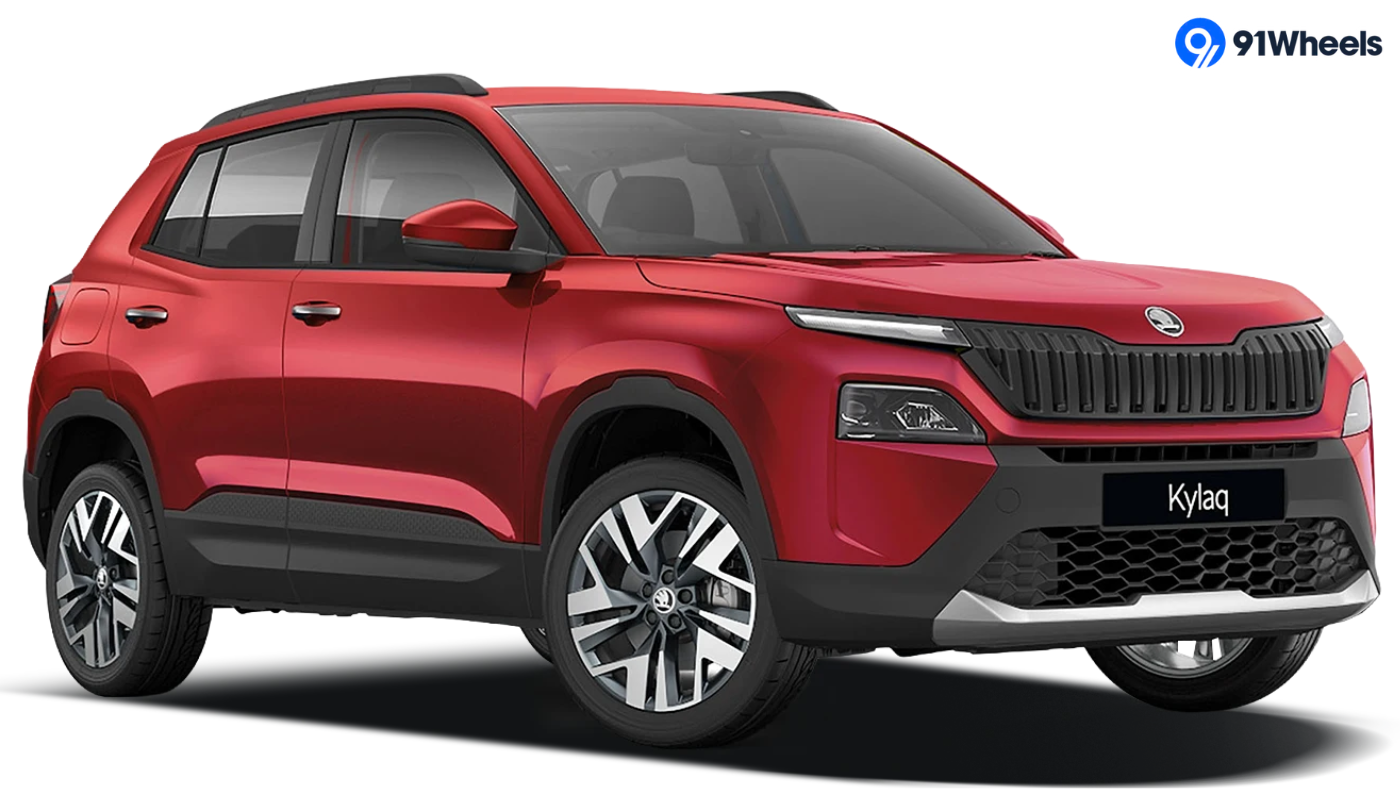
Volkswagen is expected to avoid a straightforward badge swap. Reports point to a fairly extensive list of India-specific changes, including a distinct front grille, headlamps and DRLs, new bumpers front and rear, its own alloy wheel designs, a different tailgate treatment, and a reworked cabin. The approach mirrors how Volkswagen and Skoda already differentiate the Taigun from the Kushaq and the Virtus from the Slavia: shared mechanicals underneath but visibly distinct products on the surface and inside the cabin.
There's also chatter around a possible GT or GT Line variant further down the line, in keeping with Volkswagen's existing India playbook on the Taigun and Virtus, though nothing on that front has been confirmed yet.
Power and Gearboxes
Under the hood, expect the familiar 1.0-litre, three-cylinder TSI turbo-petrol engine that does duty in the Kylaq, good for around 115-116PS and 178Nm of torque. A 6-speed manual is likely to be offered, but the bigger talking point is the automatic: Volkswagen's SUV is tipped to debut with an 8-speed torque converter, a step up from the 6-speed unit currently paired with the Kylaq. Interestingly, the Kylaq itself is expected to inherit this newer 8-speed gearbox in a future update, suggesting the transmission was developed with both siblings in mind.
What It Might Be Called, and What It Might Cost
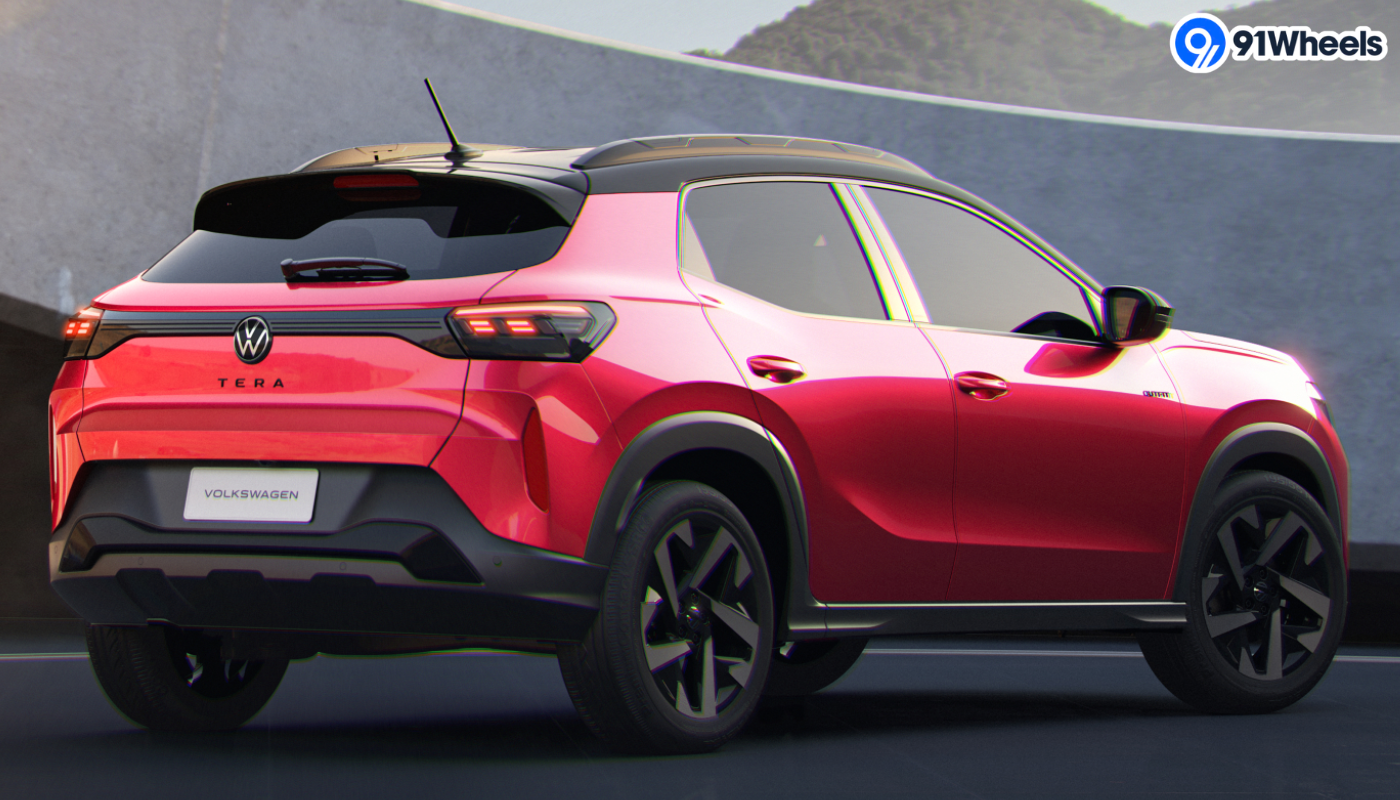
Volkswagen hasn't confirmed a name for the India-bound model yet, though there's plenty of speculation around "Tera" - the name Volkswagen already uses for a closely related compact SUV sold in Brazil. Whether that nameplate makes the jump to India remains to be seen.
On pricing, early estimates put the SUV in the Rs. 8-13 lakh bracket, which would place it squarely among segment leaders like the Tata Punch, Tata Nexon, Maruti Suzuki Fronx, Maruti Suzuki Brezza, Hyundai Venue, Hyundai Exter, Kia Sonet, Mahindra XUV 3XO, Toyota Taisor, and, naturally, the Kylaq itself. A launch window around mid-2027 has been floated, though Volkswagen hasn't set anything in stone publicly.
Safety Credentials
One area Volkswagen won't need to start from zero is safety. The Kylaq already holds a 5-star Bharat NCAP rating, scoring 30.88 out of 32 for adult occupant protection and 45 out of 49 for child occupant protection, backed by six airbags, electronic stability control, hill-hold assist, a multi-collision brake system, and rollover mitigation as standard fare across the range. Volkswagen's version will need its own homologation, but starting from a platform with this kind of safety pedigree isn't a bad place to be.
Our Verdict
Beyond the product itself, there's a manufacturing angle worth noting. Higher volumes from a new compact SUV should help improve capacity utilisation at Skoda Auto Volkswagen India's Chakan plant, spreading platform and supplier costs across a wider set of vehicles and potentially improving the group's overall economics in India.
For Volkswagen, this SUV isn't just another addition to the lineup - it's the car that could finally give the brand a genuine foothold in the volume end of the market, something it has lacked since the Polo and Ameo exited the scene. Whether it manages to stand apart from its Skoda twin closely enough to justify its own identity will be the real test once it arrives.
Do you like this article?
Comments
No comments yet. Be the first to comment!