KEY HIGHLIGHTS
- BYD introduces its plug-in hybrid technology to India for the first time
- Combined range of over 1,200 km on a full tank and charge
- Runs on battery by default; petrol engine kicks in only when needed
- Xiaoyun engine wastes less fuel, returning 4.8L per 100 km
- Over 8 million PHEVs sold globally, 35% worldwide market share
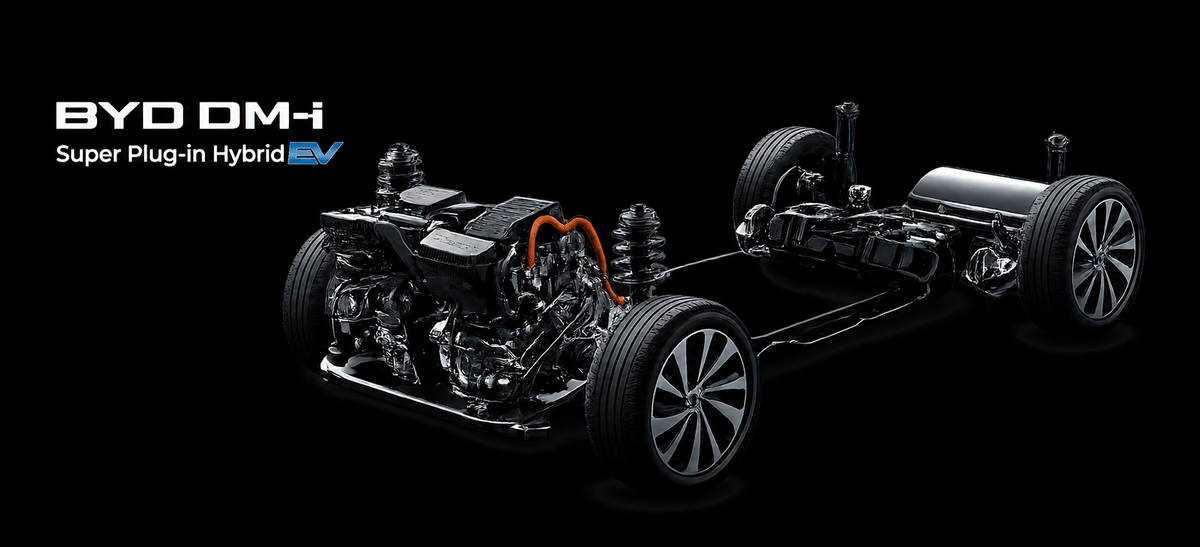
BYD India today showcased its plug-in hybrid setup, called DM-i technology. This system offers a claimed combined range of over 1,200 km and is set to debut in the BYD Seal U SUV by the end of 2026. Unlike conventional hybrid systems, DM-i follows an electric-first approach, making it a bridge between petrol/diesel vehicles and fully electric cars.
Before we dive deeper into how it works, keep in mind that this isn't your regular hybrid setup. More details below. In the meantime, join our 91Wheels WhatsApp Channel to never miss the latest automotive updates.
Also Read: Renault Duster 1.0 Turbo Mileage Revealed; Delivers Over 19 kmpl
BYD DM-i Explained: What Is the Dual Mode Intelligent Technology?

BYD's DM-i, or Dual Mode Intelligent technology, is a plug-in hybrid system that prioritises electric power over petrol - the opposite of how most traditional hybrids work. Here's a breakdown of what makes it different.
Electric-First, Not Engine-First
Most conventional hybrids - think early Toyota Prius or Honda City hybrid systems - are built around the petrol engine. The battery and motor assist the engine to improve fuel efficiency, but the engine remains in charge.
DM-i reverses this logic. The car runs on battery power by default. The petrol engine only enters the picture when the battery is low, when you need extra power, or when you're on a long highway stretch. For most urban and short-distance driving, the engine may never fire up at all.
The Three Modes
DM-i intelligently switches between three operating states depending on speed, load, and battery level:
- EV Mode - Pure electric drive. Used for city commutes and short trips. Zero fuel consumption, zero emissions.
- Series Mode - The petrol engine runs, but it's not connected to the wheels. It acts purely as a generator, charging the battery while the electric motor continues to drive the car. The driving feel stays EV-like.
- Parallel Mode - Under heavy demand (highway overtakes, full-throttle acceleration), the engine connects directly to the wheels and works alongside the electric motor for maximum output.
The Engine Inside
The DM-i uses a 1.5-litre petrol engine called Xiaoyun. The standout number here is 43.04% thermal efficiency - but what does that actually mean?
Think of it this way: when any petrol engine burns fuel, not all of that energy moves the car. A big chunk is lost as heat through the exhaust, the radiator, friction. A thermal efficiency of 43% means 43% of the fuel's energy actually gets used. Most regular car engines manage around 35-38%. So the Xiaoyun wastes less fuel per kilometre - which is why DM-i can return 4.8 litres per 100 km despite having a petrol engine on board.
Mr. Rajeev Chauhan, Head of Electric Passenger Vehicles Business at BYD India said, "The introduction of DM-i technology marks a pivotal step in our commitment to making sustainable mobility more versatile and accessible for Indian consumers. By enabling electric-first driving for daily use while seamlessly supporting long-distance travel, DM-i addresses some of the most pressing barriers to the adoption of sustainable motoring in India. With this innovation, we are bringing a new technology to Indian consumers, and also shaping a smarter, more flexible pathway towards sustainable transportation."
Do you like this article?
Comments
No comments yet. Be the first to comment!