Honda-Tata Merger: Japanese Auto Giant Turns To Tata Technologies For Next-Gen Car Platform

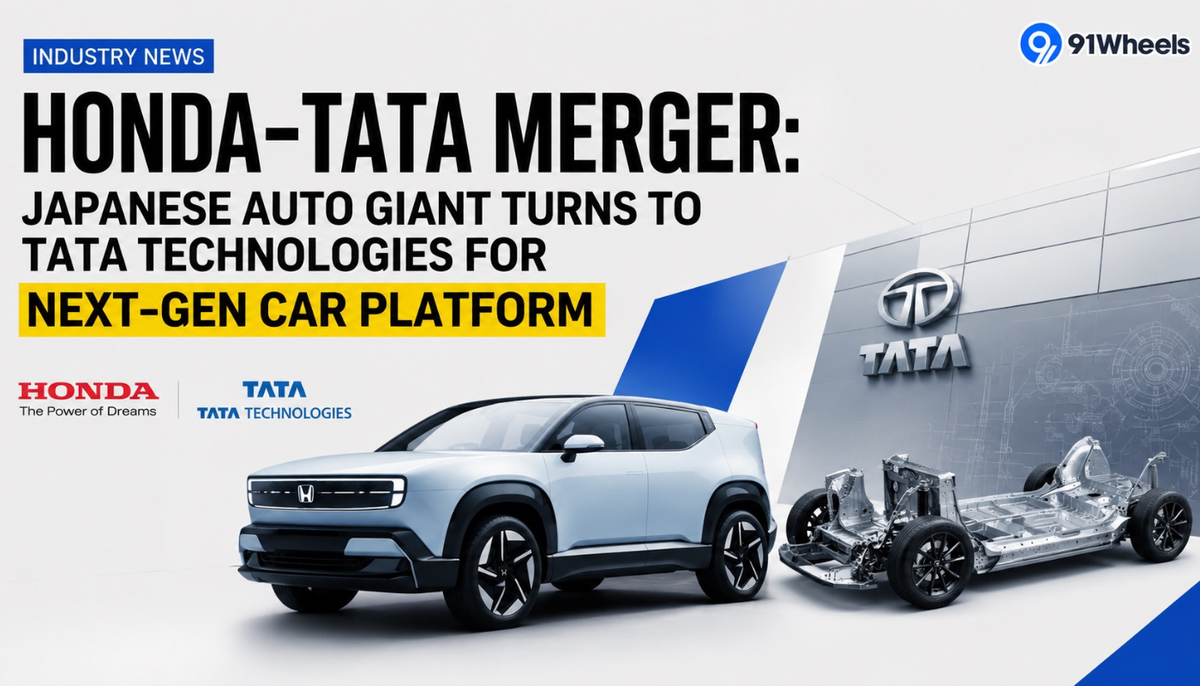
For the better part of a century, Honda has treated platform engineering as sacred ground - the one part of car-making it almost never handed to outsiders. That tradition appears to be ending. Multiple international reports now indicate that the Japanese carmaker has brought in Tata Technologies (engineering services arm of the Tata Group) to build an entirely new vehicle architecture from the ground up.
A Break From Honda's Playbook
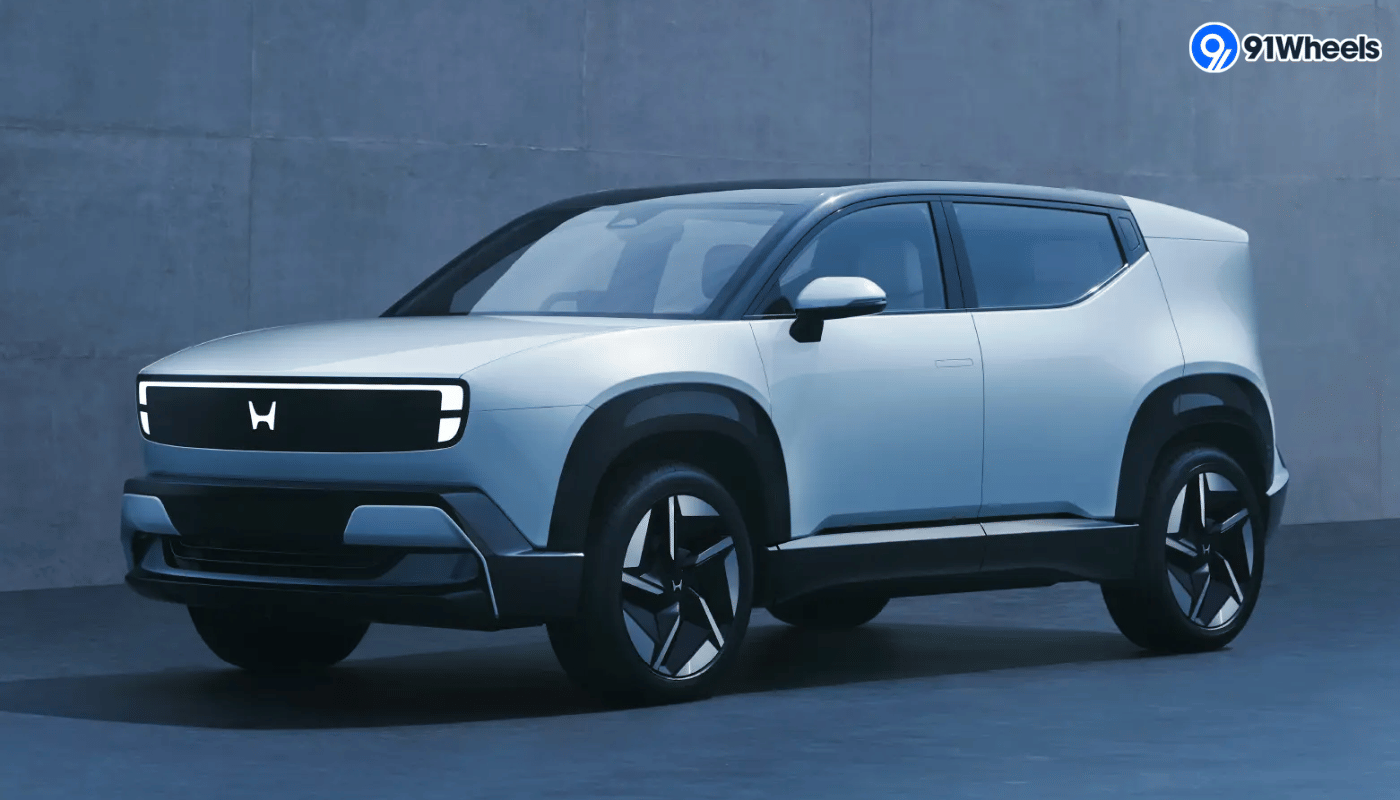
Honda has long guarded core engineering - platforms, chassis and powertrain integration - as an in-house function, viewing it as central to how its cars drive and feel. Handing this work to an outside firm marks a genuine departure from that approach. What makes this particular deal notable is not just that Honda is outsourcing platform work, but who it's outsourcing it to: this is reportedly the first time the company has worked with an Indian engineering firm on platform development.
It's worth being precise about who's actually involved. Tata Technologies is not Tata Motors. Although both fall under the wider Tata Group umbrella, Tata Technologies functions as an independent global engineering and product-development firm that serves clients across the automotive, aerospace and industrial sectors - it isn't in the business of selling its own passenger cars. So this isn't a case of Honda quietly rebranding a Tata product; Tata Technologies is supplying engineering muscle, not a finished vehicle.
One Platform, Multiple Powertrains
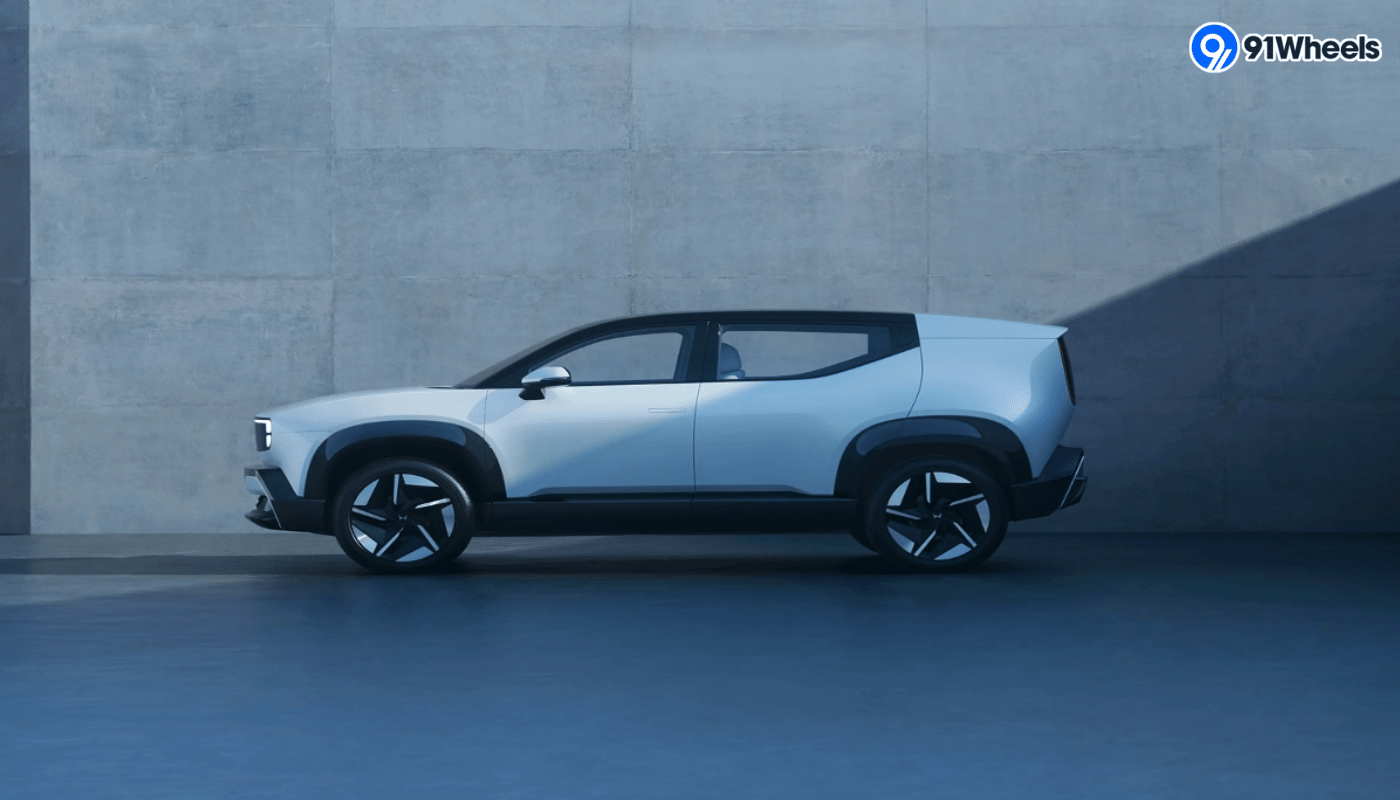
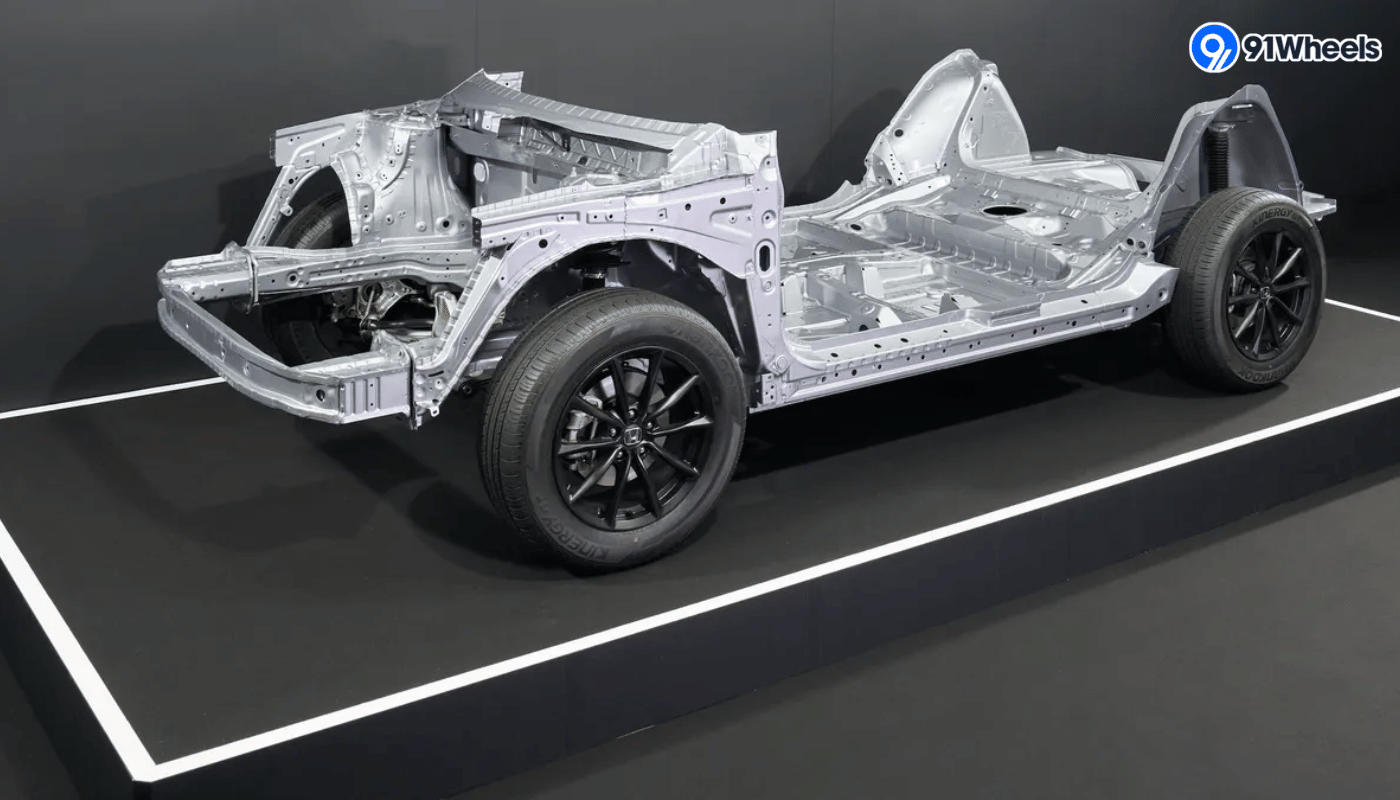
The architecture is being built to underpin future Honda models arriving from 2028 onward, and its defining trait is flexibility. Rather than developing separate underpinnings for each powertrain type, the same base structure is expected to accommodate petrol engines, hybrids, and full electric drivetrains. In practical terms, a platform like this dictates far more than most buyers realise - body dimensions, crash structure, suspension hard-points, and the electrical backbone all get locked in at this stage, which is precisely why building one that stretches across three powertrain types is such a heavy engineering lift.
Interestingly, this won't be a global platform in the truest sense. Reports suggest the North American market has been excluded from this particular programme, pointing to a platform tailored more toward Asian markets and other regions where Honda's cost pressures and model requirements differ from the US.
Why Now? Honda's Cost Math Isn't Adding Up
Context matters here. Honda's most recent fiscal year saw global revenue slip 2.2% to roughly ¥21.79 trillion, alongside an operating loss of ¥414.3 billion - a sharp swing from an operating profit of ¥1.21 trillion the year before, and a net loss following what had been a substantial net profit previously. That's the first annual loss the company has posted since it was founded, and it has clearly forced a rethink of how expensive in-house development has become.
Enter what's being called Honda's "Triple Half" push - an internal target to cut vehicle development costs, engineering effort, and development timelines by roughly half compared to 2025 levels. Leaning on specialist outside partners for platform work fits squarely into that goal, and it mirrors a broader industry trend of automakers turning to engineering specialists to compress product cycles while keeping costs in check.
What It Could Mean For India
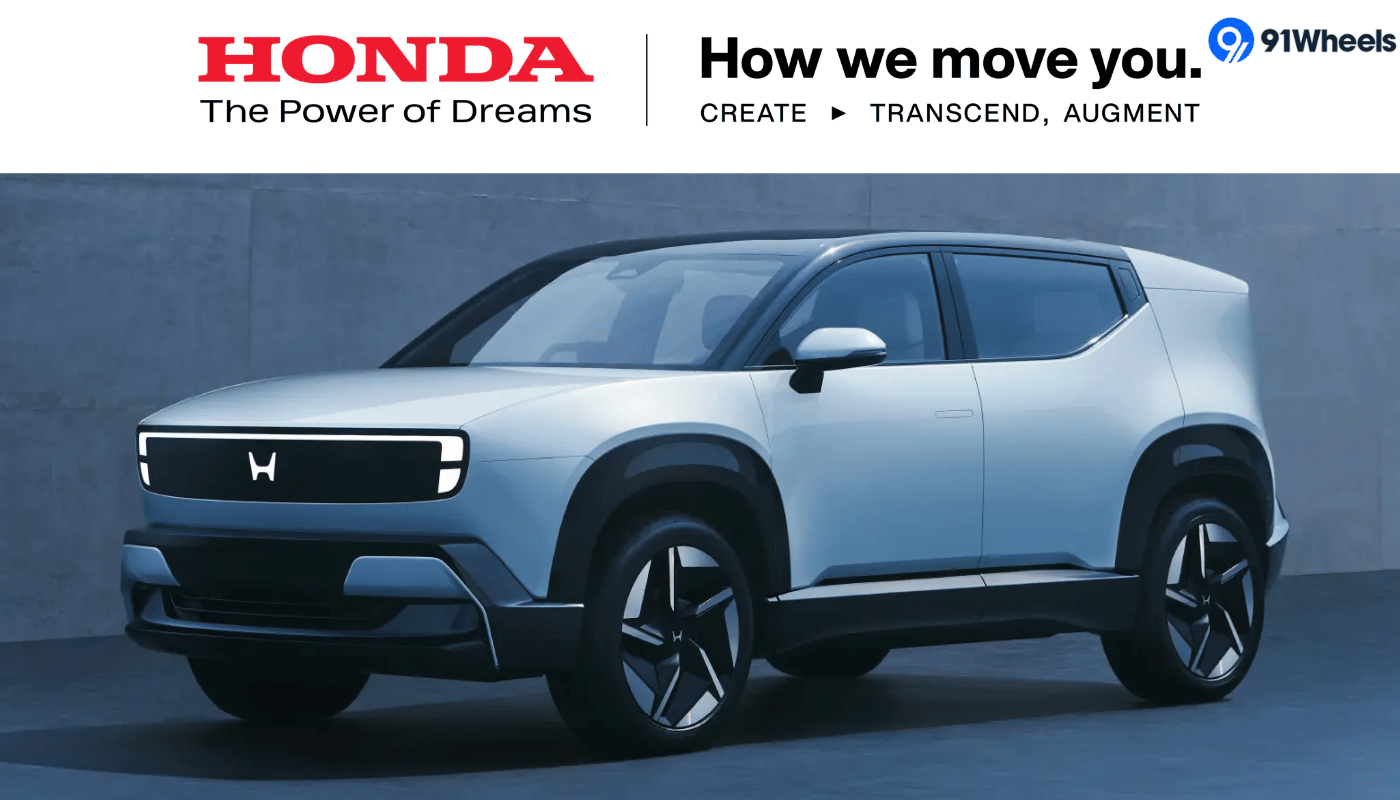
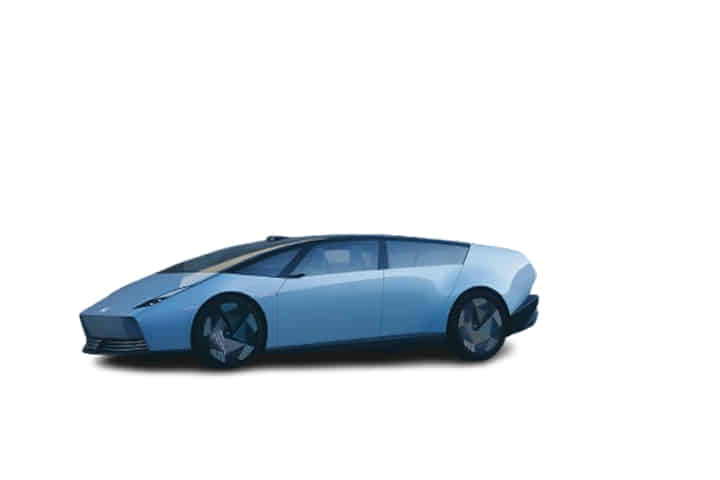
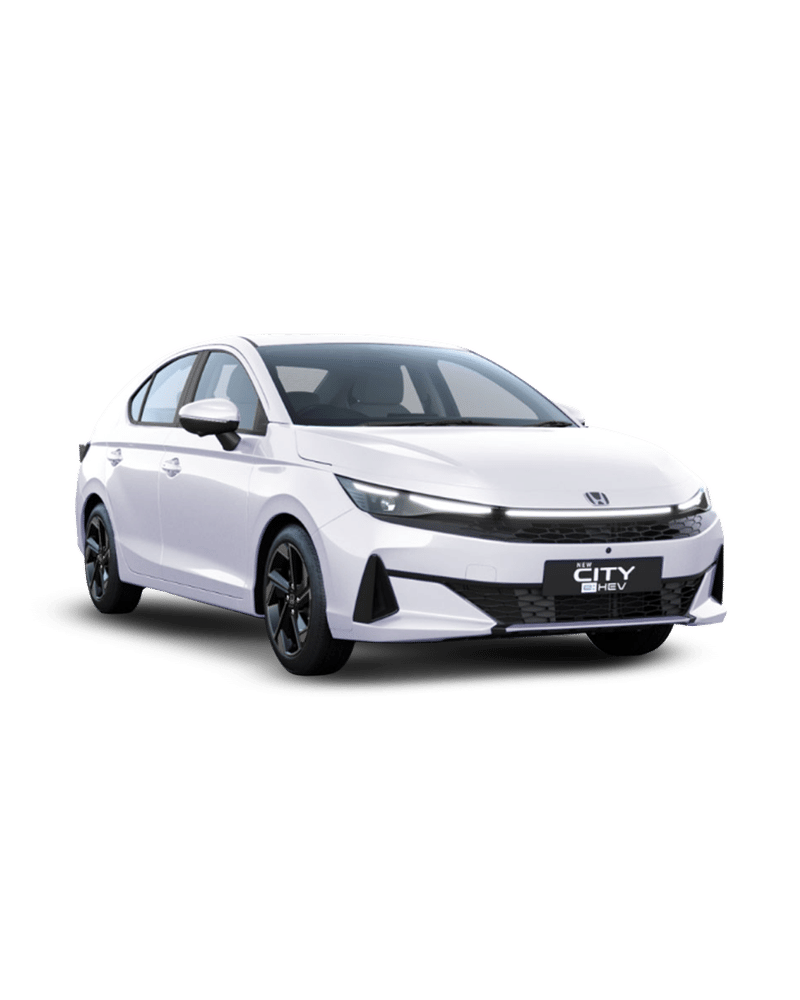
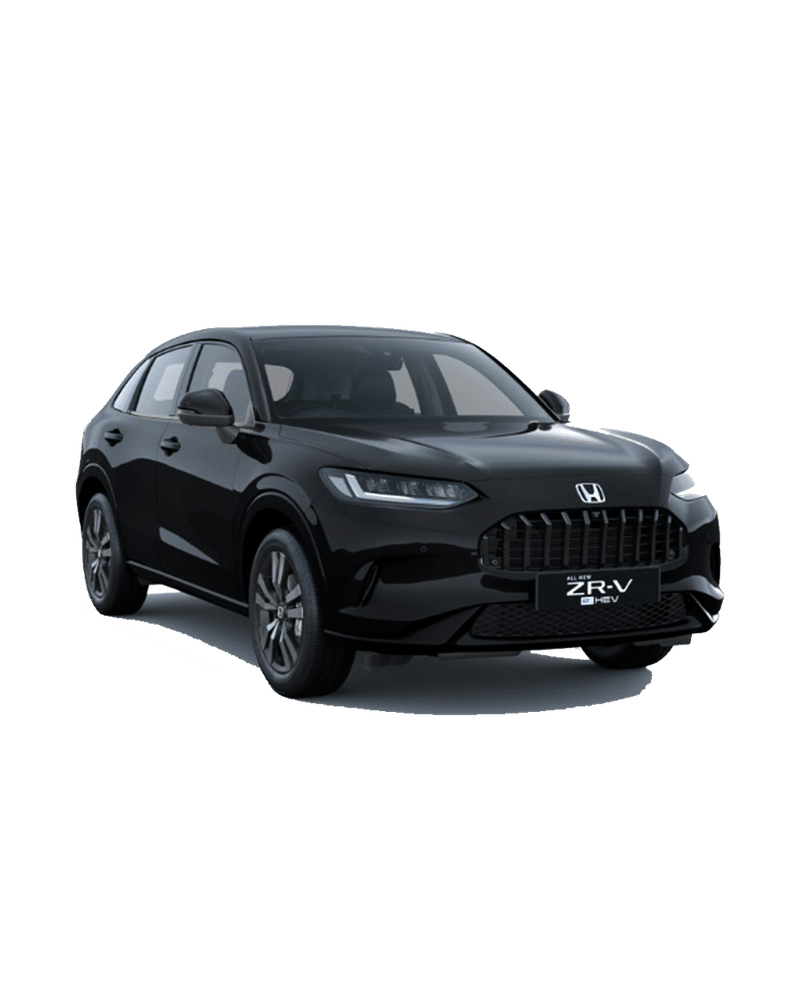
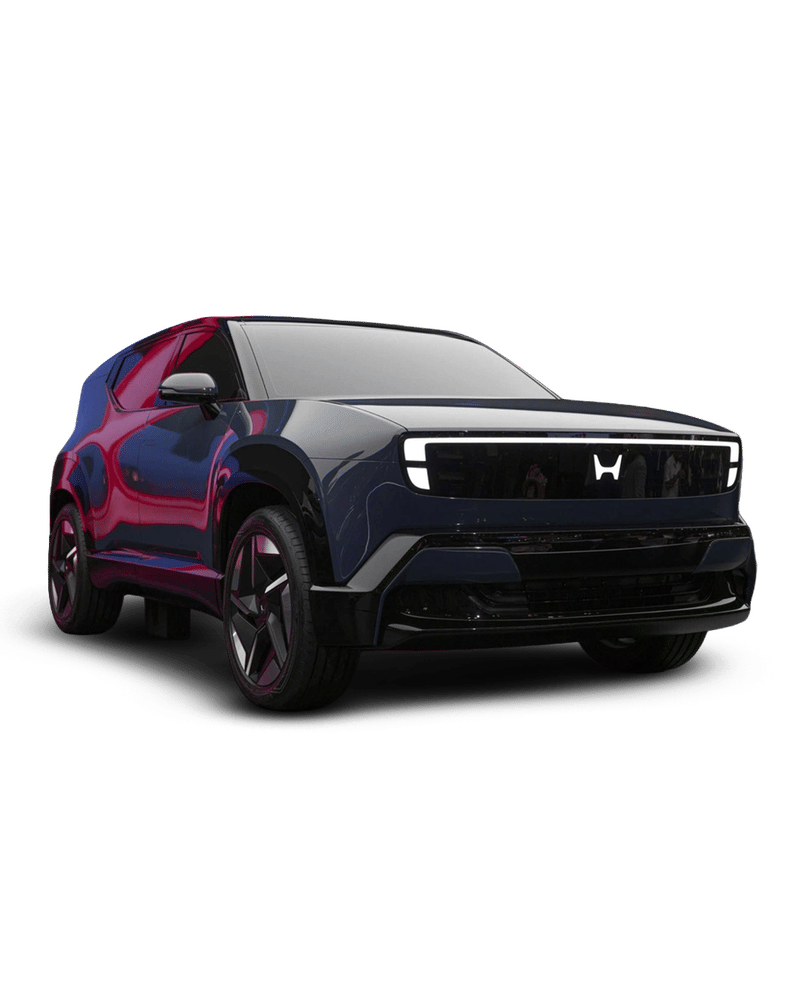
Tata Technologies has plenty of relevant experience to draw on, having reportedly built its own flexible multi-powertrain architecture for other clients. For Honda's India business specifically, the timing lines up with an already-expanding local roadmap. The company has plans for the upcoming 0 Alpha electric SUV, a new sub-4-metre SUV, and an all-new midsize SUV over the coming years, alongside a broader commitment to launch ten new models in India by 2030. Whether any of these specific vehicles end up riding on the Tata-engineered platform hasn't been confirmed, but given the architecture's multi-powertrain flexibility, it's a plausible fit for at least some of that lineup.
The Bigger Picture
Honda hasn't officially detailed a timeline, named the first models to use this platform, or specified every market it will serve. When approached, the company has stuck to a fairly standard non-denial, framing external partnerships as an ongoing part of how it stays competitive rather than confirming specifics.
Still, the direction of travel is hard to miss. A company that once built its identity on doing platform engineering entirely on its own terms is now willing to hand that job to an outside partner and an Indian one at that - to hit cost and speed targets it clearly couldn't reach alone. If this partnership delivers, it could reshape not just how Honda builds cars, but how much weight Indian engineering firms carry in global automotive supply chains going forward.
Do you like this article?
Comments
No comments yet. Be the first to comment!