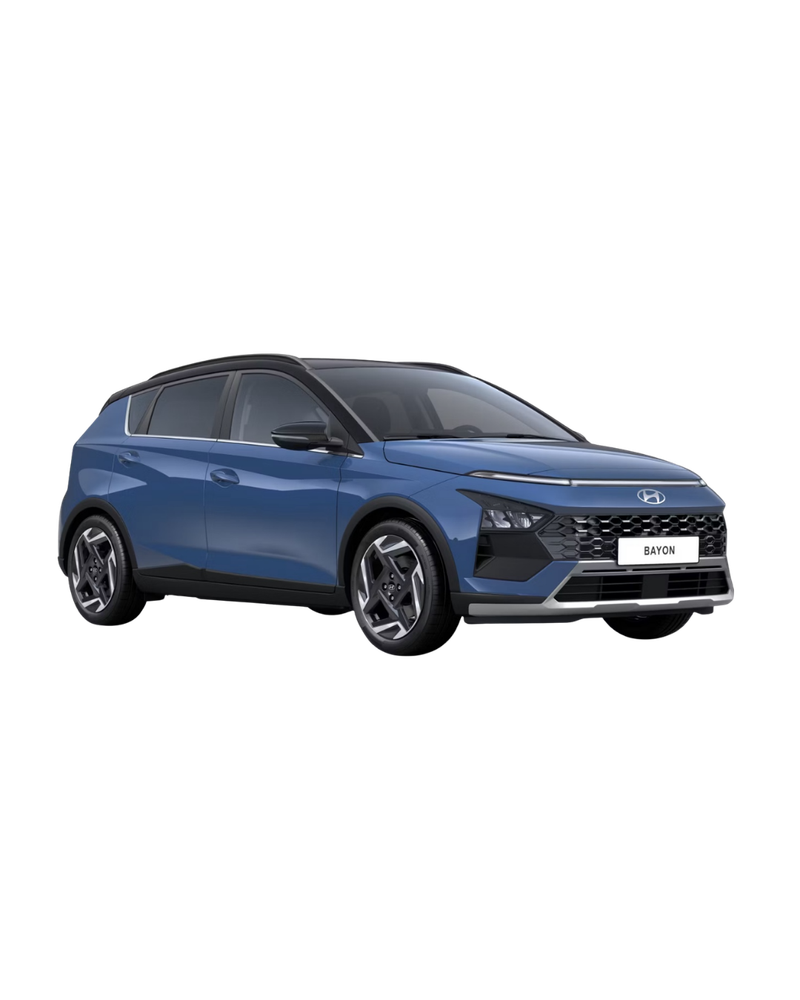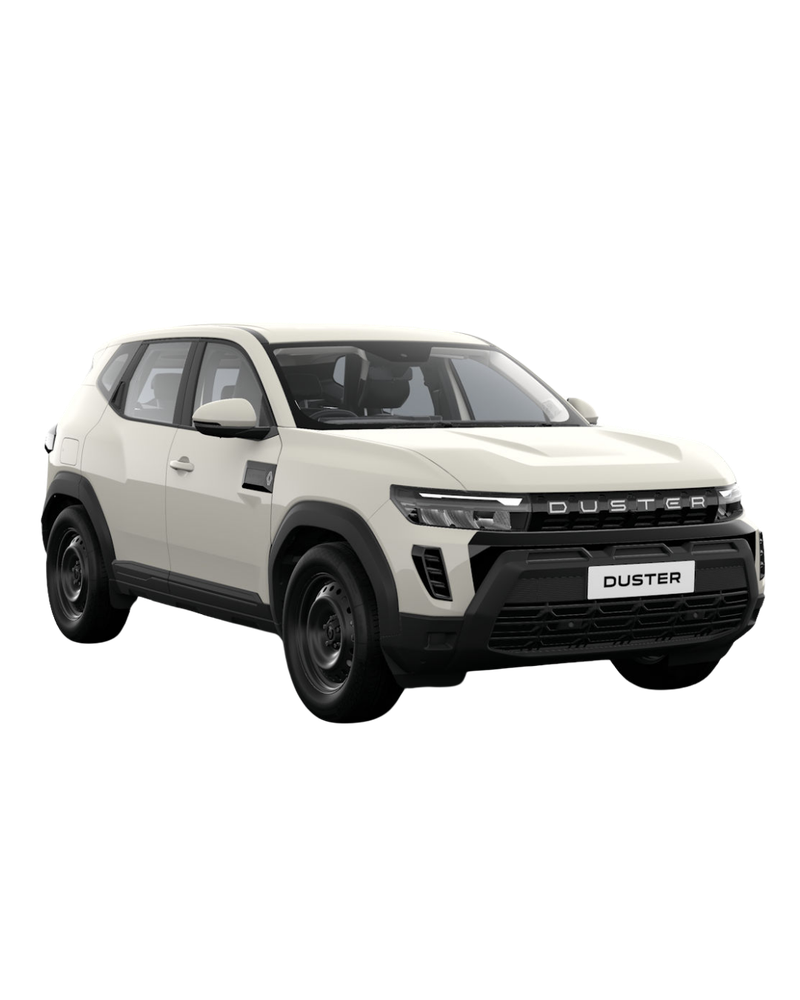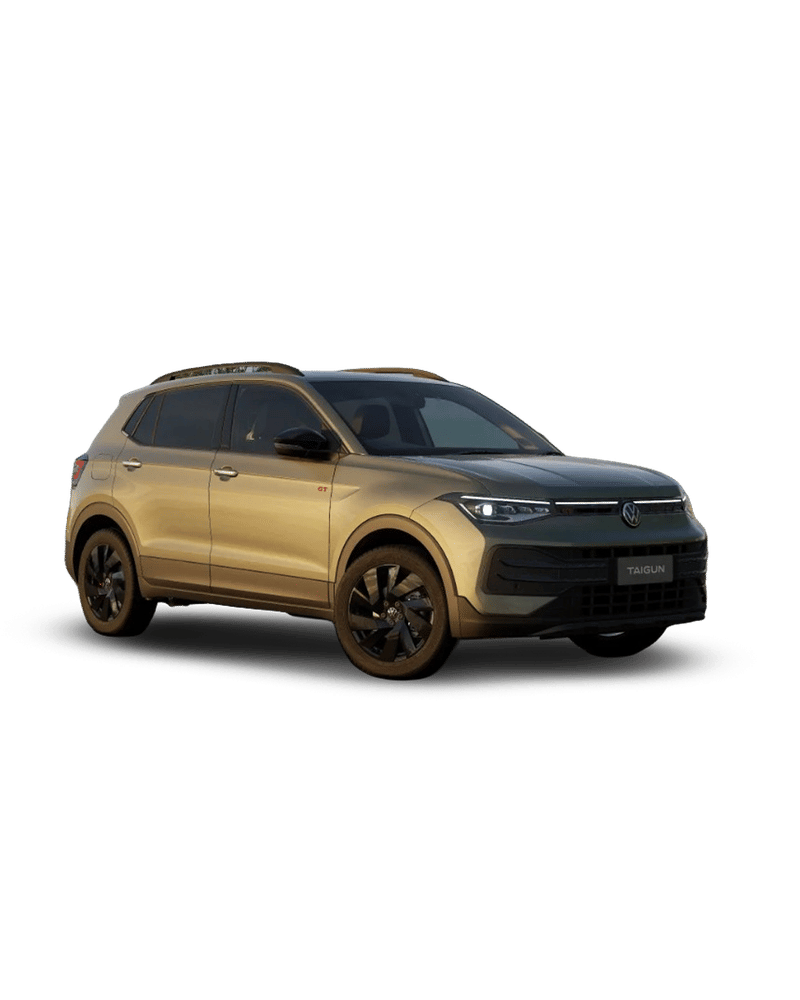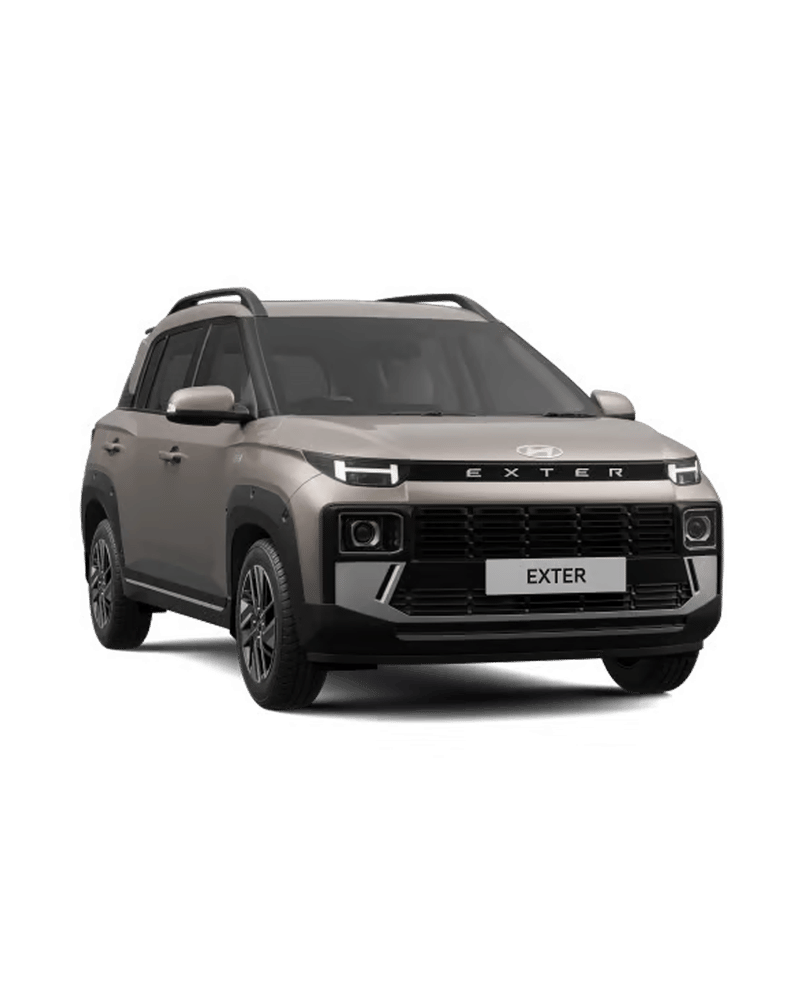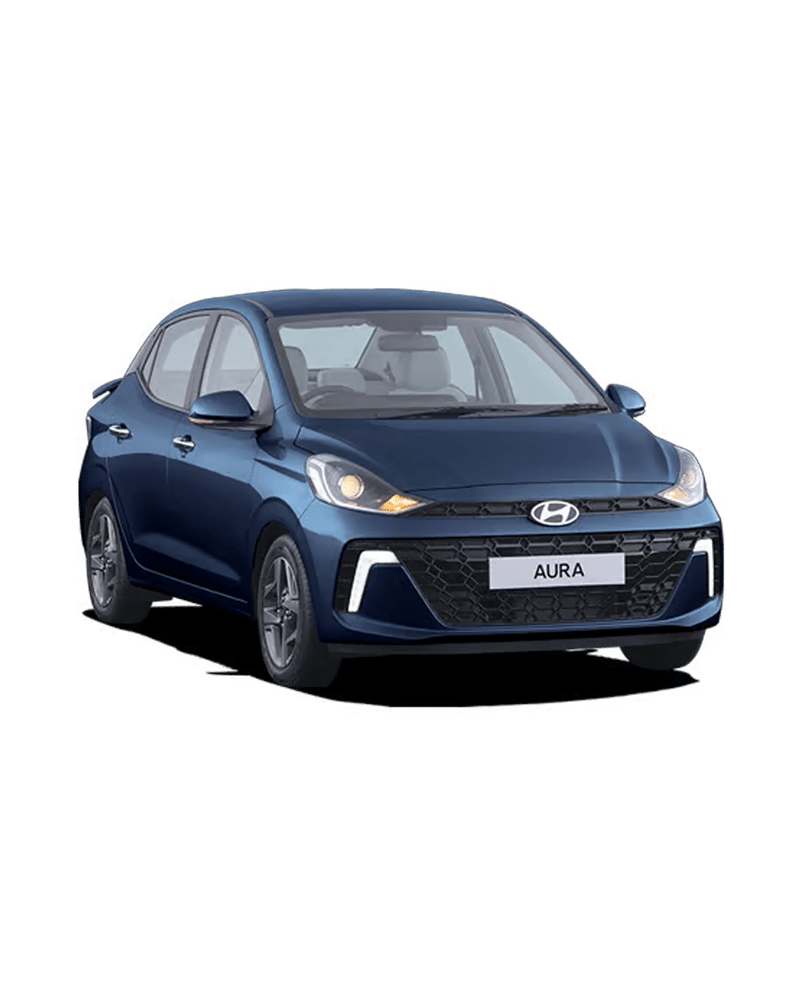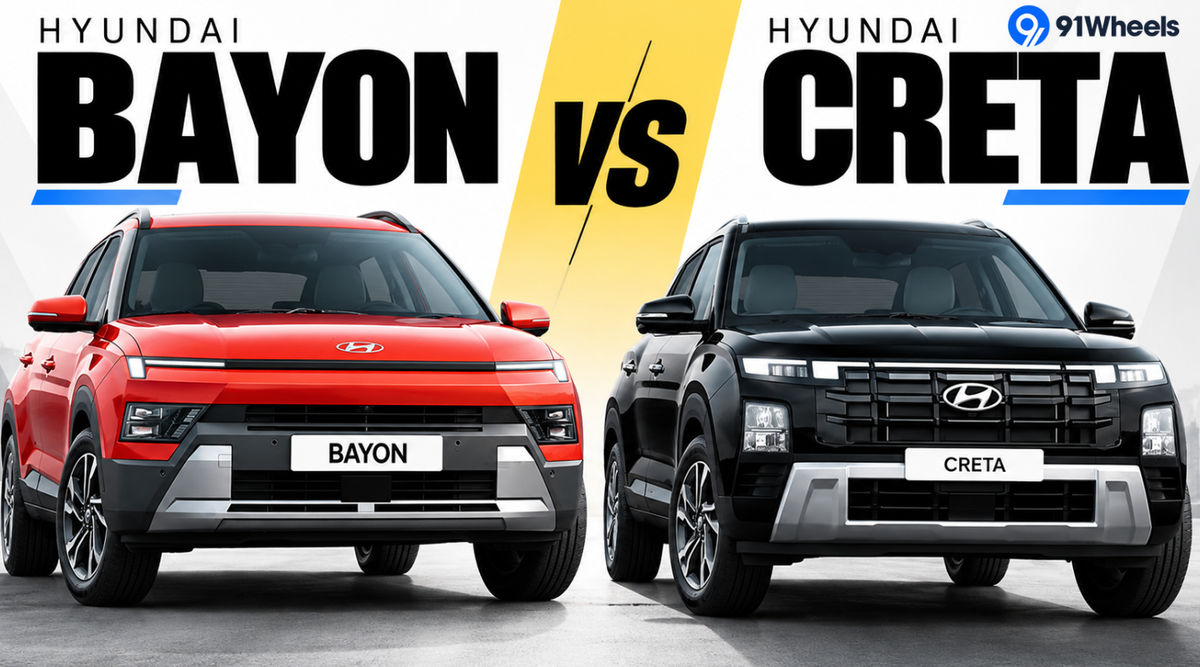
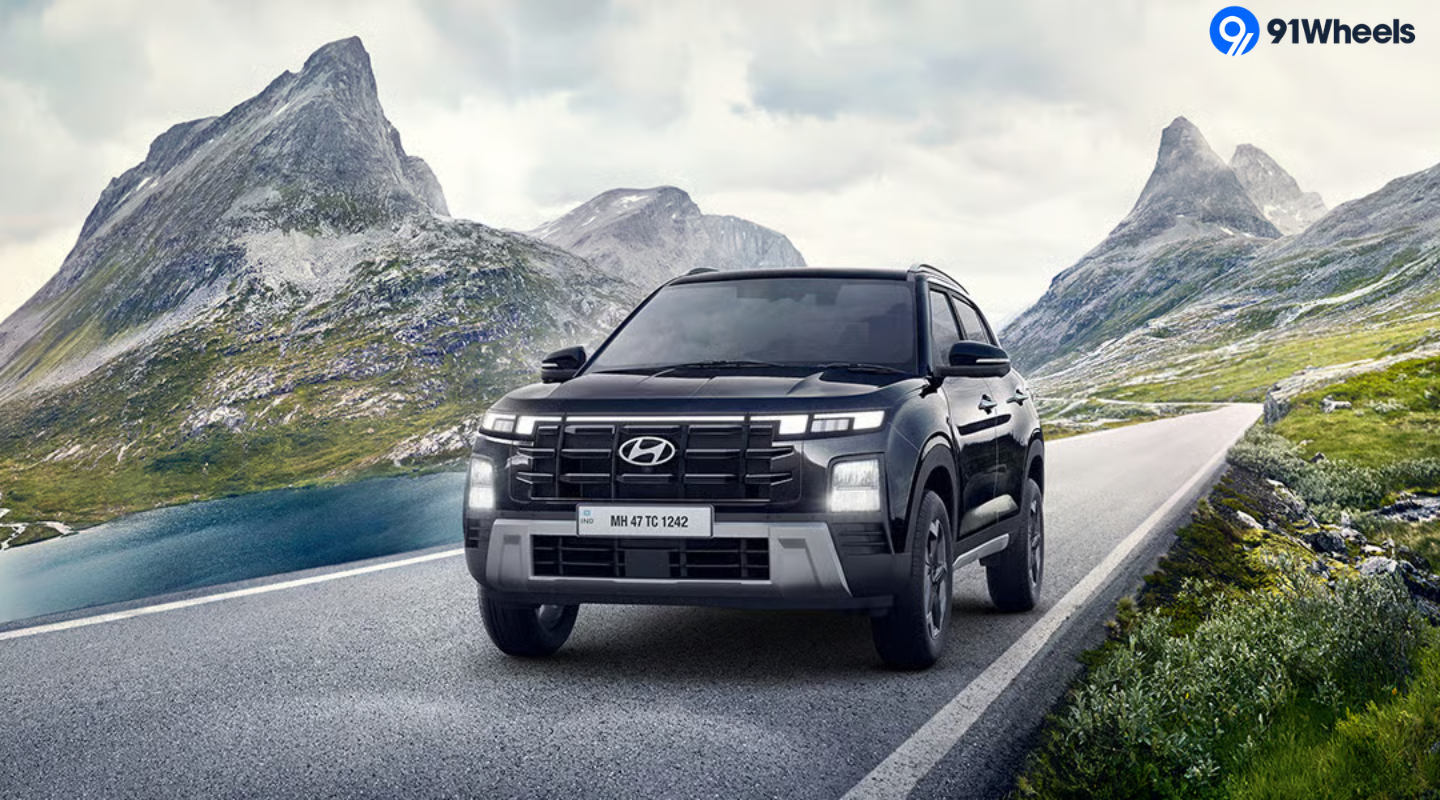
Hyundai Bayon is a new mid-size SUV in the market that is set to compete against the likes of the Maruti Suzuki Victoris, Toyota Urban Cruiser Hyryder, and Kia Seltos. But its biggest rival, the car it will be compared against the most, is the Hyundai Creta, a bigger car in all respects, but their prices overlap and they are part of the same brand. So, in this article, we’ll find out what the differences between these two are, so that when you enter the showroom and look at them, you know what sets them apart. Here, we’ll compare price, dimensions, features, and engine options.
Hyundai Bayon vs Hyundai Creta: Price Difference
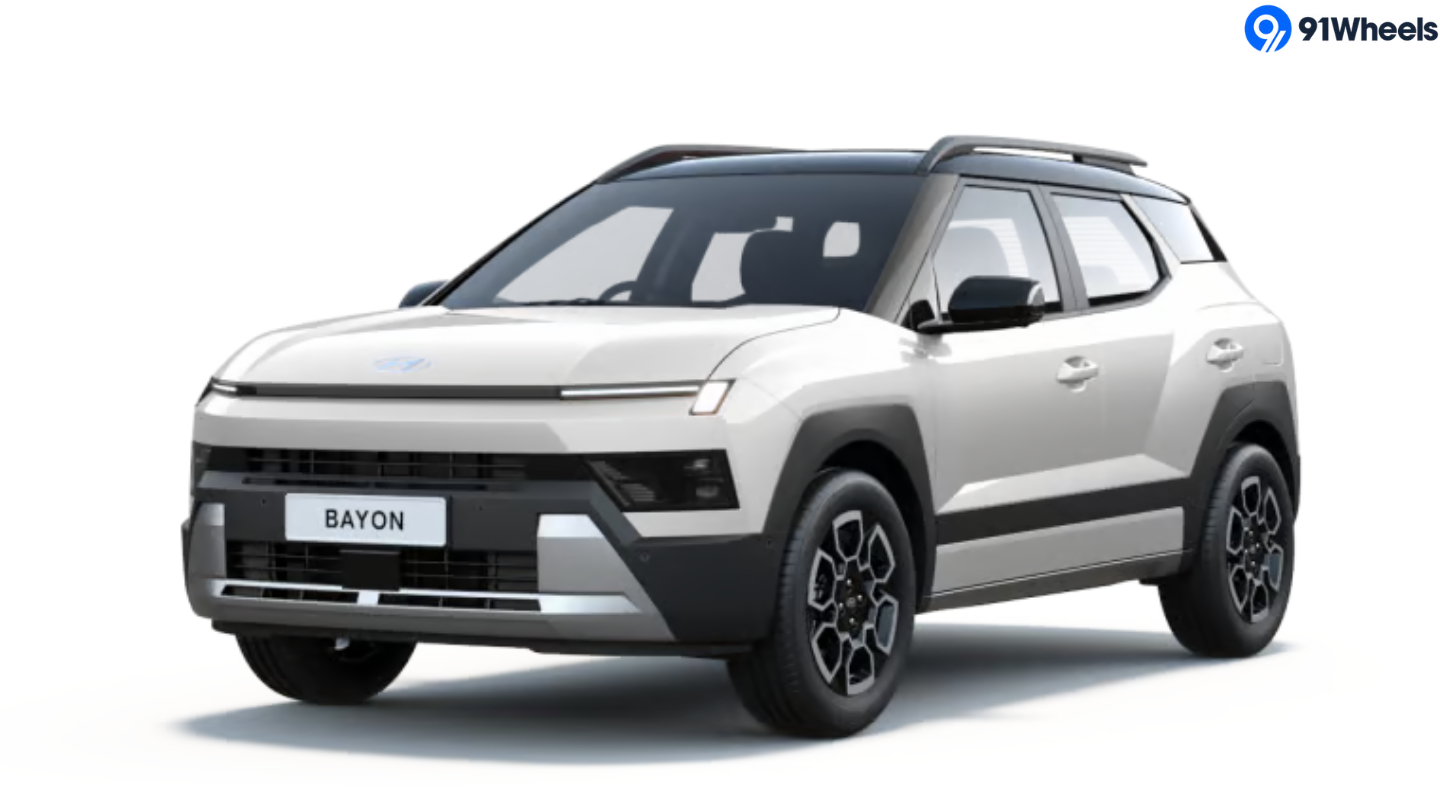
The Hyundai Bayon starts at Rs 10 lakh (ex-showroom), while the Creta starts at Rs 10.90 lakh, making the former Rs 90,000 cheaper. The price gap widens for the second variants, with the Bayon HX3 priced at Rs 10.90 lakh and the Creta EX Summer Edition costing Rs 12.05 lakh, a difference of Rs 1.15 lakh. At the top end, the Bayon HX10 is priced at Rs 18 lakh, while the Creta's range-topping variant costs Rs 20.45 lakh (ex-showroom).
Also Read: Hyundai Bayon Usage Based Insurance Explained
Engine Options
The Hyundai Bayon is considerably more affordable than the Creta, but interestingly, both SUVs belong to the same mid-size SUV segment. What sets them apart are their dimensions, engine options, and transmissions. The Bayon is offered with a 1.5-litre naturally aspirated four-cylinder petrol engine that produces 115 hp and 141 Nm of torque. Transmission options include a six-speed manual and a CVT, which Hyundai calls iVT.
In the Hyundai Creta, the first engine option is the same 1.5-litre naturally aspirated four-cylinder petrol unit, with identical power output and transmission options. However, the Creta also gets a 1.5-litre turbo-petrol engine and a 1.5-litre diesel engine, offering three distinct powertrain options. With the Bayon, Hyundai appears to be targeting buyers who prioritise a comfortable driving experience and fuel efficiency. The company claims a fuel economy of 18.6 kmpl for the Bayon with the iVT gearbox.
Engine | 1.5L MPi (Bayon/Creta) | 1.5L CRDi (Creta) | 1.5L T-GDi (Creta) |
|---|---|---|---|
Fuel Type | Petrol | Diesel | Petrol |
Displacement | 1497 | 1493 | 1482 |
Power | 114.7 PS | 115 PS | 160 PS |
Torque | 144 Nm | 250 Nm | 253 Nm |
Gearbox | 6MT/IVT | 6MT /6-AT | 7-DCT |
With the Creta, there are plenty of options, including two petrol engines, one diesel engine, and even an electric counterpart that is in a league of its own. This means there is a Creta for almost every type of customer.
Now, let's look at the dimensions, which also reveal some key differences between the two SUVs.
Hyundai Bayon vs Hyundai Creta: Dimensions
Dimensions | Bayon | Creta |
|---|---|---|
Length | 4,245 mm | 4,330 mm |
Width | 1,810 mm | 1,790 mm |
Height | 1,605 mm | 1,635 mm |
Wheelbase | 2,600 mm | 2,610 mm |
Ground Clearance | 205 mm | 190 mm |
Boot Space | 505 Litres | 433 Litres |
The Hyundai Creta is longer and taller than the Bayon, and it also has a 10 mm longer wheelbase. However, the Bayon has its own advantages, including 205 mm of ground clearance and a larger 505-litre boot. It is also wider, which could translate into better shoulder room for three passengers in the rear seat.
The Bayon's height stands at 1,605 mm. Its relatively low profile could have aerodynamic benefits, particularly at higher speeds, although Hyundai's reasoning behind this design would need to be confirmed. In return, the Bayon offers greater ground clearance and more boot space, giving it a different set of practical advantages over the Creta
Hyundai Bayon vs Hyundai Creta: Features
As the newer model, the Hyundai Bayon gets several technology-focused features. The most notable is its generative AI integration, powered by Perplexity, with voice technology from SoundHound AI. This allows occupants to plan road trips, look for cafes and hangout spots, and interact with the system using conversational voice commands, much like they would with ChatGPT or Claude.
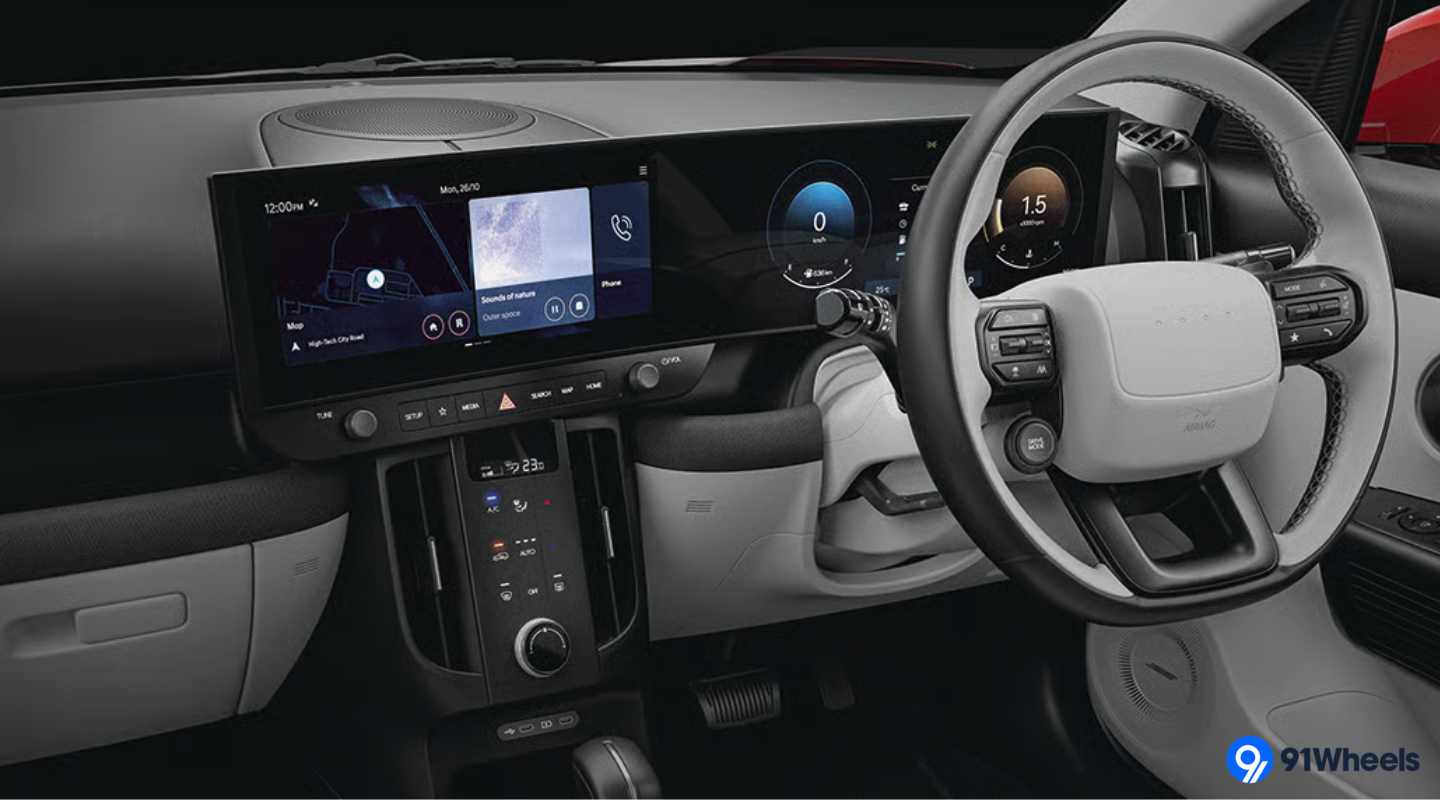
The Bayon also gets a single panel housing two 12.3-inch screens, with the infotainment display angled towards the driver. Other features include a panoramic sunroof, ventilated front seats, an eight-way power-adjustable driver's seat, ambient lighting, a wireless charger, a digital instrument cluster with multiple display modes, and three drive modes that can be accessed through a steering-mounted switch. Rear passengers get a centre armrest, two USB Type-C ports, and sunshades.
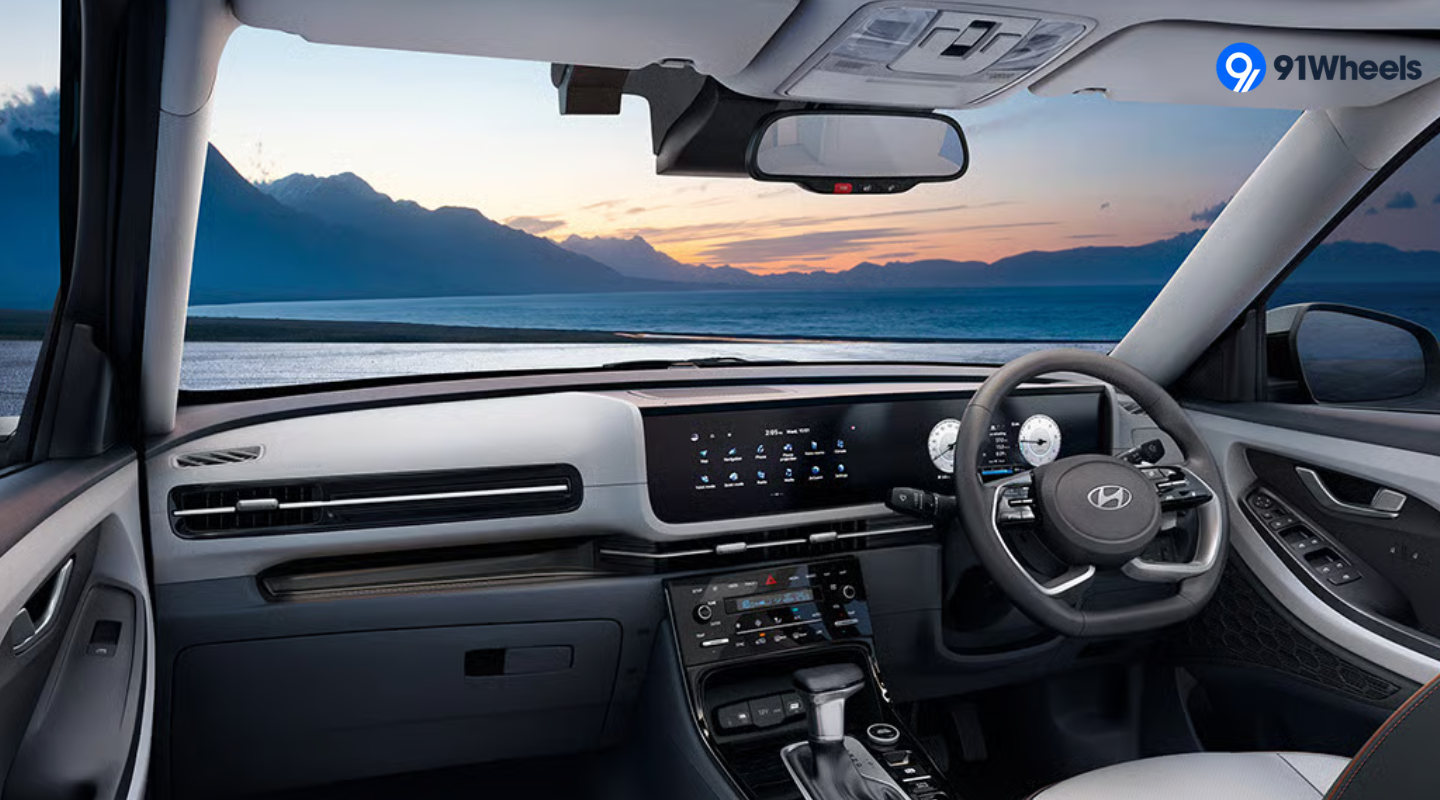
The Hyundai Creta, meanwhile, offers a more extensive feature package. It gets dual-zone automatic climate control, while the top-spec Lounge Edition adds an 11.6-inch touchscreen for rear-seat entertainment and a retractable tray behind the front passenger seat for items such as food and an iPad.
The Creta also gets a memory function for the driver's seat, along with eight-way power adjustment for both front seats. Overall, while the Bayon stands out for its generative AI technology, the Creta offers a more comprehensive set of comfort and convenience features.
Common Features in Hyundai Creta and Hyundai Bayon:
- Panoramic Sunroof
- Level-2 ADAS
- Bose 8 Speakers
- 360-Parking Camera
- Hyundai Bluelink (Connected Car Technology)
- Wireless Android Auto and AppleCarplay
- Electronic Parking brake with Auto-Hold
- Hill Start Assist
- Steering Mounted Controls
- Ambient Lights
Hyundai Bayon vs Hyundai Creta: Final Take
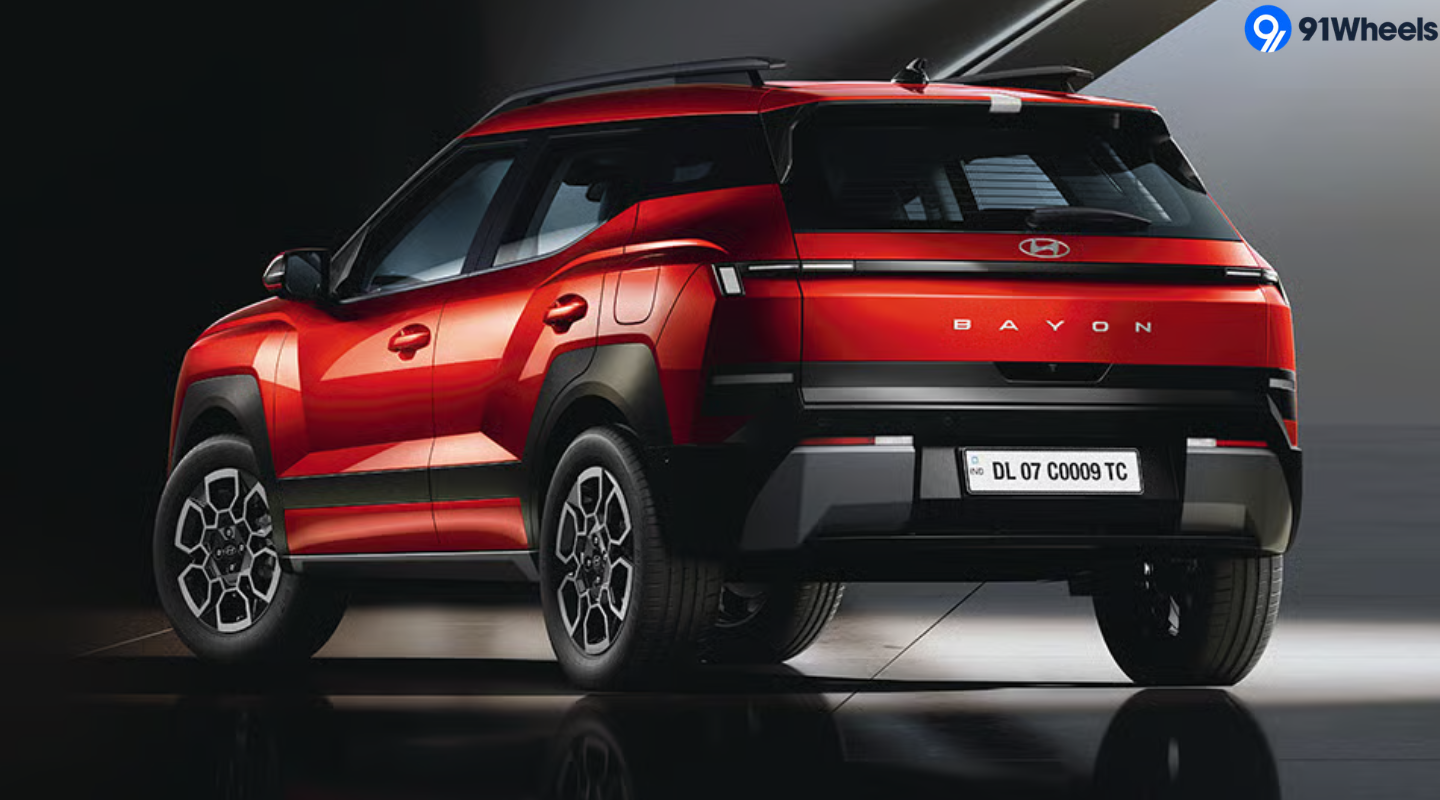
The Hyundai Bayon fills the gap between the Venue and Creta. It currently comes with a single petrol engine, while Hyundai has confirmed that a CNG version will launch by January 2027. The Bayon also gets several features aimed at first-time buyers, including technology that could appeal to Gen Z and millennials.
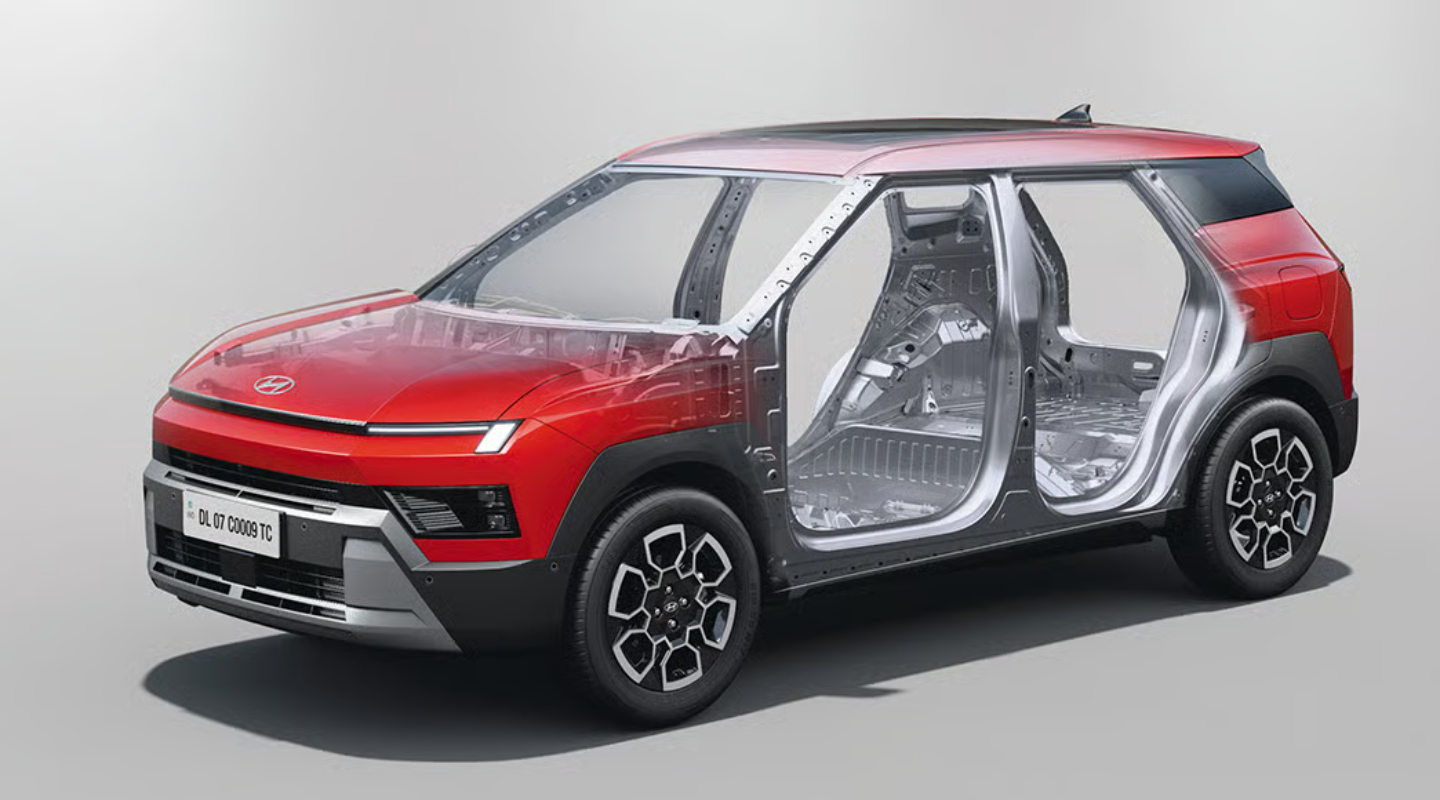
More importantly, its styling is a major highlight. Sharp body lines, slim lighting elements, an angular front fascia, and 17-inch diamond-cut alloy wheels with a petal-shaped design give it a distinctive appearance. The rear profile is equally striking and is likely to attract attention on the road. Hyundai appears to be combining these styling and feature highlights with competitive pricing to give buyers an alternative to the Venue and Creta.
The Creta, meanwhile, remains the more premium option, with a wider range of features and more powerful engine choices. However, Hyundai is expected to introduce the third-generation Creta next year. If the reported changes materialise, including a new platform and a larger body, the positioning of these two SUVs could change significantly.
For now, the Bayon makes sense for buyers looking for an easy-to-drive, fuel-efficient car with a strong feature set, distinctive styling, and a competitive price. It could save buyers from stretching their budgets to get a Creta. Those who prioritise a more extensive feature package, stronger engine options, and greater road presence should consider the Creta instead. The Venue remains another option for buyers who want a smaller SUV.
Do you like this article?
Comments
No comments yet. Be the first to comment!