SIAM Takes Back E20 Fuel Quality Letter as Govt Downplays Contamination Concerns

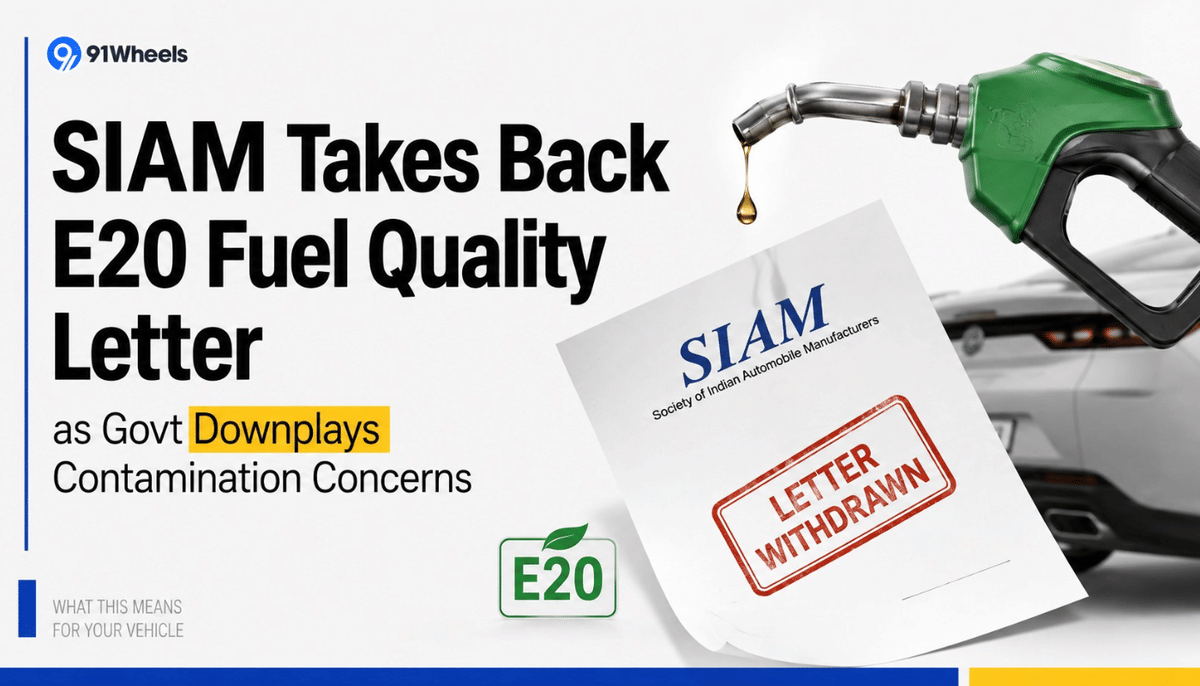
The Society of Indian Automobile Manufacturers (SIAM) has retracted a communication it had earlier sent to the Ministry of Petroleum and Natural Gas (MoPNG) flagging fuel quality concerns linked to E20 petrol, days after the letter triggered widespread debate about possible damage to vehicle fuel systems from ethanol-blended fuel. Below are all 5 W's answered for this news, but before moving ahead, make sure you join our 91Wheels WhatsaApp Community to stay versed on the latest automotive news.
Read more: Mahindra Vision X Patented! 5 Things We Know So Far
What Happened
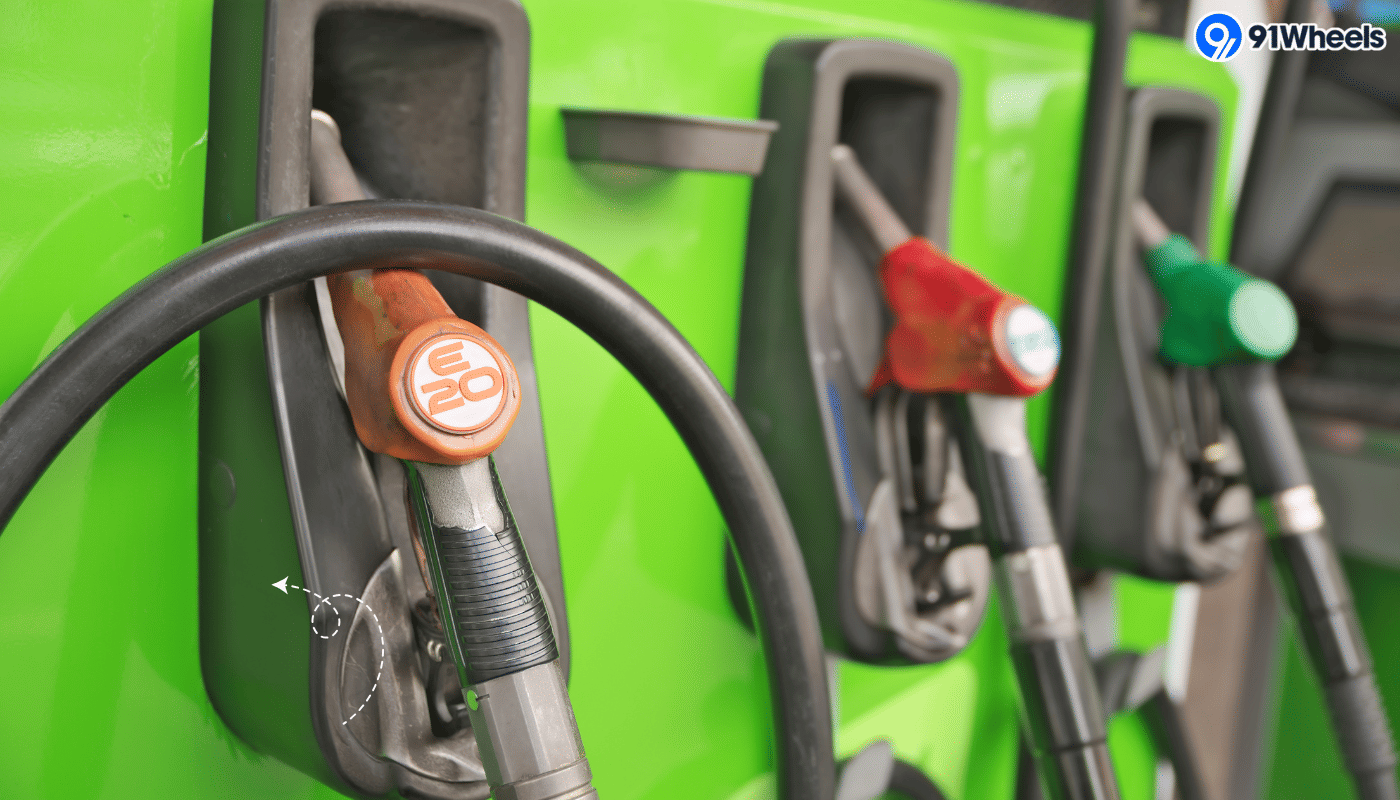
News of SIAM's original communication broke after a business news channel reported that the industry body had written to the government citing elevated chloride levels and moisture content in fuel samples collected from certain regions. The letter reportedly linked these issues to accelerated corrosion in precision components such as fuel injectors, fuel pumps and EGR valves, and had also called for chloride limits to be formally written into E20 fuel specifications, alongside concerns over ageing underground storage tanks and fuel transport infrastructure.
That report set off a wave of concern among vehicle owners and industry watchers, given how rapidly India has been rolling out E20 (petrol blended with 20 percent ethanol) as part of its energy security push.
Within a day of the story breaking, SIAM issued a fresh statement saying it was withdrawing its earlier letter altogether.
SIAM's Clarification
In its clarification, SIAM said the news reports had picked out only select portions of a communication that was actually part of routine, ongoing technical discussions among industry bodies, oil marketing companies (OMCs), vehicle manufacturers and testing agencies - not a standalone alarm about fuel safety.
The body noted that fuel quality checks under India's existing regulatory framework already cover more than 150 parameters and are carried out continuously by OMCs. It added that the specific figures cited in the original letter still need to be authenticated through wider data collection across regions and further consultation with member OEMs before any conclusions can be drawn.
"The referred numbers reported in the media need authentication... and therefore SIAM is withdrawing its earlier communication," the body said, while stressing that automakers remain fully supportive of the government's E20 programme and that there is "no cause for concern" for consumers.
Government's Response
The Petroleum Ministry, meanwhile, moved to reassure the public even before SIAM's formal retraction. It said fuel quality is monitored on a continuous basis at fuel stations nationwide, and pointed to enhanced checks already in place - including water-ingress testing conducted 8 to 12 times a day across more than 87,000 retail outlets, along with extra inspections following rainfall.
According to the ministry, over 2,000 fuel samples have been tested specifically for chloride and sulphide contamination so far. Of these, only two instances of chloride contamination were detected nationwide. Sales at the affected outlets were suspended immediately, and OMCs have reportedly been directed to tighten monitoring across the entire supply chain, with strict action promised wherever adulteration is confirmed.
Separately, the ministry has also introduced a 3 ppm guideline capping chloride and sulphur content in the ethanol used for blending, a step SIAM said addresses the industry's core concerns on this front.
Read more: Facelifted Mahindra Scorpio N Z8 Select: What's New Over the Current One?
Is the Issue Fully Resolved?
Not quite. While SIAM has pulled back its letter, that isn't the same as the industry declaring the matter closed. The body has been careful to frame this as a case of data needing more validation rather than a confirmed, widespread problem - leaving room for the conversation to resurface once broader, region-wise data is collected.
For now, with the government maintaining that contamination cases are isolated and monitoring has been stepped up, attention shifts to how strictly these quality checks are enforced as E20 adoption continues to expand across the country. Vehicle owners running on E20 fuel needn't panic, but the episode is a reminder that fuel quality assurance will remain a live conversation as India pushes deeper into ethanol blending.
Do you like this article?
Comments
No comments yet. Be the first to comment!