Upcoming Hyundai Bayon Launch on October 26: Why Does Hyundai Need Another SUV Between the Venue and Creta?

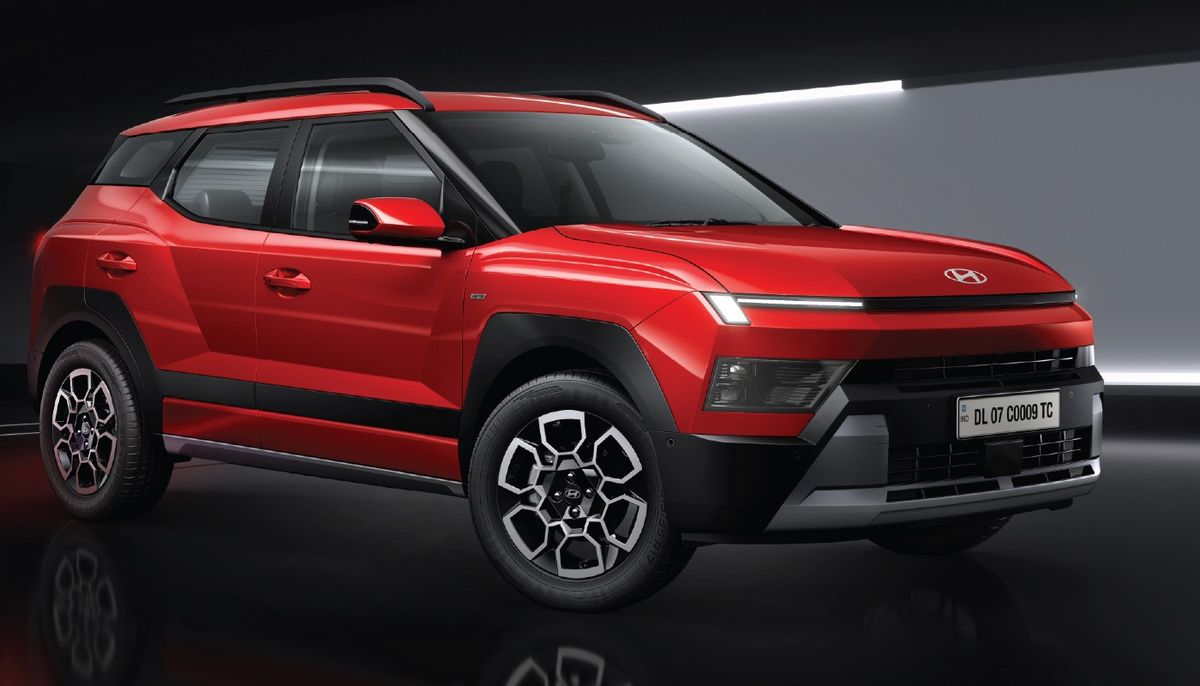
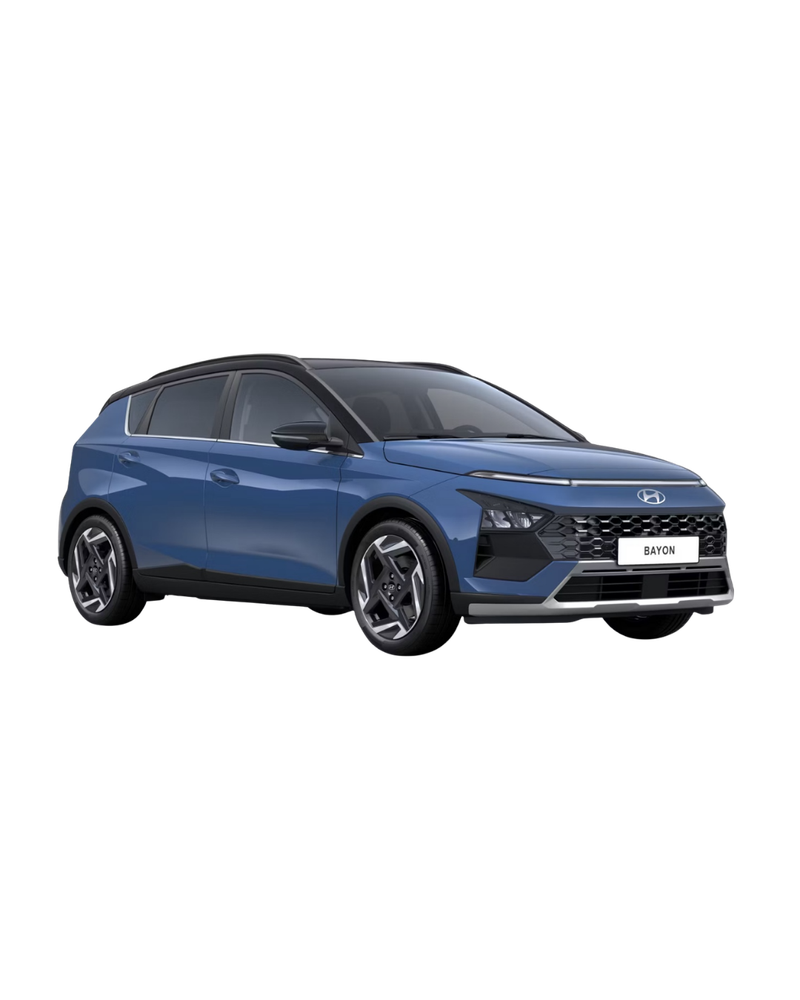
Hyundai is preparing to launch the new Bayon in India on October 26, 2026. The company has already revealed the SUV, confirmed its engine specifications, announced several important features and opened bookings for Rs 11,000. However, what makes the Bayon particularly interesting isn't just its design, technology or equipment. It is where Hyundai intends to position it in the Indian market. The Bayon will sit between the Venue and Creta, two SUVs that are already doing reasonably well and have considerable overlap in their pricing. This raises an important question. When Hyundai already has two successful products competing in a similar price bracket, why does it need another SUV?
To understand this, we first need to look at Hyundai's existing portfolio. The Venue currently starts at around Rs 8 lakh and goes up to Rs 15.82 lakh, while the Creta is priced between Rs 10.91 lakh and Rs 20.46 lakh, ex-showroom. This means there is already an overlap of nearly Rs 5 lakh between the two models. Someone spending Rs 12-13 lakh can choose between a reasonably equipped Venue and a lower or mid-spec Creta. Adding a third vehicle within the same price bracket might initially appear unnecessary. However, I think Hyundai is looking at something beyond simply offering another SUV at another price point.
The Gap Between the Venue and Creta Isn't Just About Price
The Venue and Creta serve two different types of buyers. The Venue is a compact SUV that works particularly well for city use. It is relatively easy to drive, offers several engine and transmission choices and has a comprehensive equipment list. However, despite the improvements introduced with its latest generation, it remains a sub-four-metre vehicle.
The Creta, on the other hand, offers a more spacious cabin, a larger footprint and a more premium ownership experience. It also has a wider selection of powertrains, including naturally aspirated petrol, turbo-petrol and diesel engines. But while the Creta starts at around Rs 10.91 lakh, the versions most buyers would want, particularly those with an automatic gearbox and additional equipment, cost considerably more.
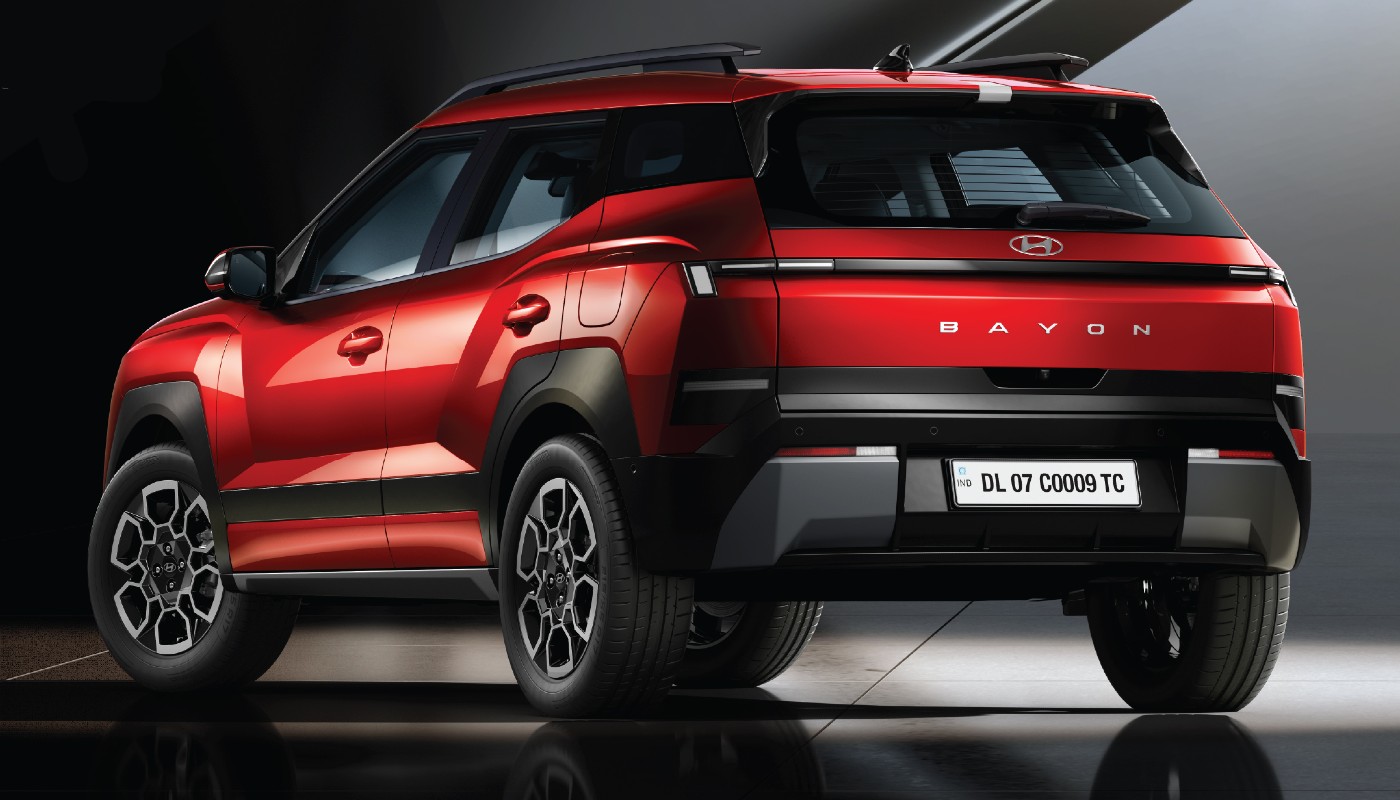
This is where the Bayon comes in. At approximately 4.2 metres in length, the Bayon is considerably longer than the Venue and slightly shorter than the 4.33-metre Creta. It therefore has the potential to offer buyers a more substantial vehicle without requiring them to spend on the higher variants of the Creta. Of course, exterior dimensions alone do not guarantee better interior space, and the rear-seat comfort, cabin width and boot space will need to be evaluated once the vehicle is available for testing.
Essentially, Hyundai appears to be targeting buyers who have outgrown the Venue but don't necessarily need everything that the Creta offers. However, there is another important factor here. The Creta might still be the larger and more established product, but the Bayon will offer some of Hyundai's latest technology, which the current Creta simply doesn't have. And I think this could become one of the biggest reasons for someone to consider the Bayon.
The Creta Is Starting to Show Its Age, Particularly in Technology
The current-generation Hyundai Creta continues to offer a fairly comprehensive list of features. It gets dual 10.25-inch displays in higher variants, connected-car technology, ventilated seats, a panoramic sunroof, Level 2 ADAS and several other convenience features. However, the underlying infotainment architecture is now beginning to show its age, particularly when compared to the systems Hyundai has introduced in its newer products.
The Bayon gets Hyundai's latest NVIDIA-powered Connected Car Navigation Cockpit (ccNC), along with dual 12.3-inch curved panoramic displays. Apart from having larger screens, the newer system introduces an updated interface, improved graphics, online navigation, split-screen functionality, personalised controls and smartphone-like quick-access menus.
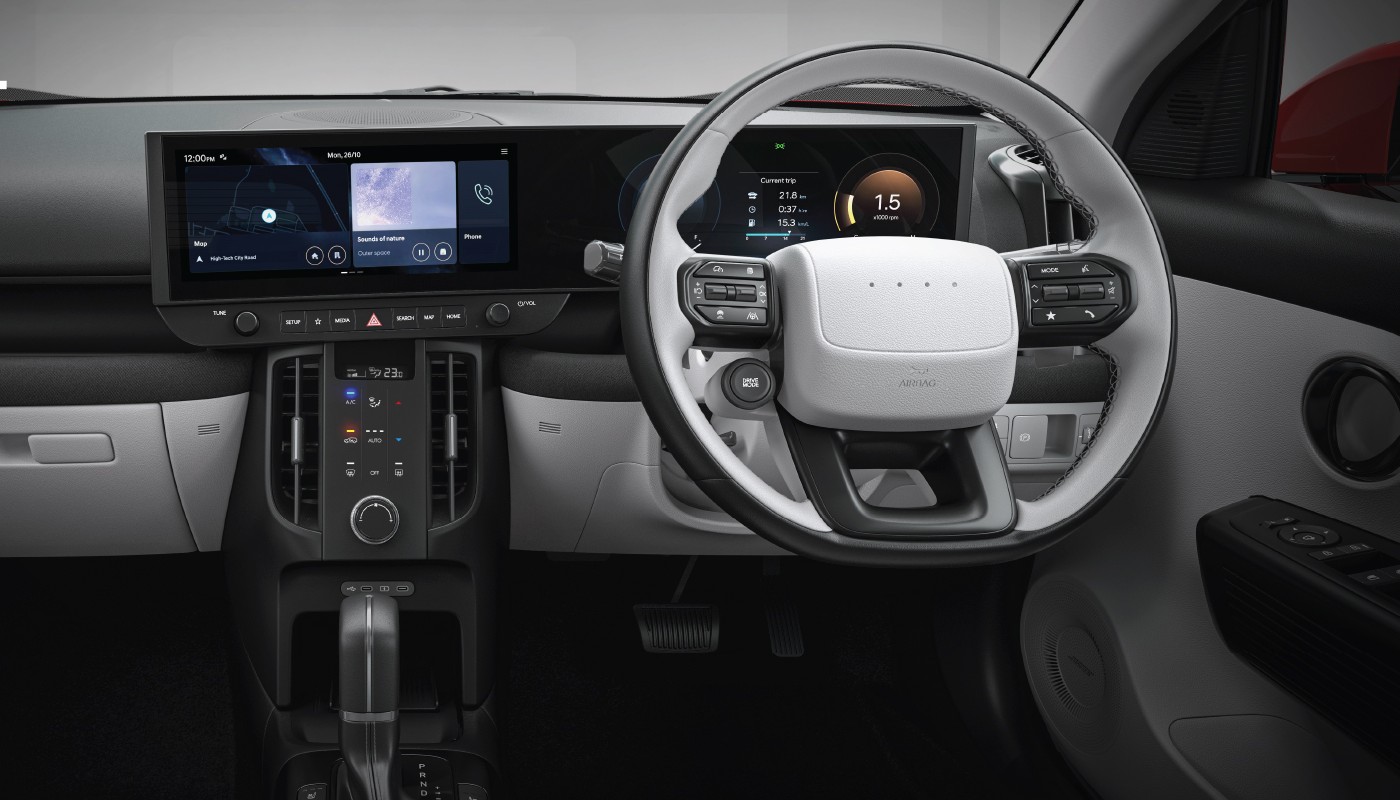
This, according to me, is an important distinction. We have reached a point where having a large touchscreen is no longer enough to make a car feel modern. The quality of the interface, responsiveness, ease of accessing functions, integration with connected services and the ability to receive future software updates are becoming equally important.
The Creta already offers connected-car technology and over-the-air updates for its infotainment and navigation systems. However, the Bayon takes a broader approach with vehicle-controller OTA updates covering more controllers and modules. This gives Hyundai the ability to remotely update more of the vehicle's electronic systems.
There is also the introduction of Hyundai's first generative AI voice assistant in India. Using intelligence from Perplexity and voice technology from SoundHound AI, the system can understand conversational requests rather than depending entirely on predefined commands. It can answer questions related to weather, travel plans, nearby restaurants, hotels and other information. The AI assistant currently supports English interactions, while more than 500 embedded voice commands can operate without an internet connection across six languages.
It is important to note that the latest Venue already offers a similar ccNC system with dual 12.3-inch displays. So the Bayon isn't necessarily bringing an entirely new infotainment architecture to Hyundai's Indian portfolio. What it does is combine this newer technology with the company's latest AI integration in a vehicle that is larger than the Venue.
This creates a slightly unusual situation. Someone spending more money on a Creta today could potentially end up with an older infotainment system than someone buying a Bayon. Of course, this does not automatically make the Bayon a better car. The Creta still has advantages in terms of size, engine choices and several comfort features. The actual experience of using the Bayon's new system will also need to be evaluated. But for buyers who place considerable importance on technology, the newer digital experience could become a strong reason to consider the Bayon.
What Else Does the Hyundai Bayon Offer?
Hyundai has given the Bayon its latest Art of Steel design language, featuring a sculpted bonnet, distinctive front fascia, H-shaped LED DRLs, prominent wheel arches and extensive body cladding. The overall appearance is more crossover-like than that of a conventional upright SUV, although the wide stance and roof rails help give it a stronger SUV identity.
Inside, the Bayon features a redesigned dashboard built around its dual 12.3-inch displays. The NVIDIA-powered ccNC system integrates navigation, entertainment and connected functions, while Hyundai Bluelink offers more than 70 connected features, including remote vehicle controls, vehicle information and smartphone connectivity. The infotainment and instrument cluster interfaces support 10 regional and two international languages, while the embedded voice-command system recognises English, Hindi, Hinglish, Tamil, Bengali and Telugu.
Engine and Transmission Options: Hyundai Is Keeping Things Simple
At launch, the Bayon will be available with a 1.5-litre naturally aspirated four-cylinder petrol engine, which is claimed to produce 115 PS and 144 Nm of maximum torque. This is the same basic engine offered with the Creta and will be paired with either a 6-speed MT or an IVT automatic transmission.
Hyundai is not offering the Creta's more powerful turbo-petrol or diesel engines with the Bayon. In fact, the Venue's 1.0-litre turbo-petrol engine produces 120 PS and 172 Nm, making it more powerful on paper than the Bayon's larger naturally aspirated petrol engine.
I don't think this decision is a coincidence. Hyundai needs to ensure that the Bayon does not make the Creta redundant. By offering a relatively simple petrol powertrain, Hyundai can position it as a practical and potentially more affordable family SUV, while allowing the Creta to retain its appeal among buyers wanting greater performance, more engine choices and a more premium overall package.
A CNG version is also expected at a later stage, possibly with an underbody-mounted tank to retain usable luggage space. Although Hyundai has not officially confirmed this, it could become an important differentiator because neither the Venue nor the Creta currently offer a factory-fitted CNG option. If Hyundai does introduce CNG, the Bayon could become particularly attractive to buyers who want a slightly larger family SUV with relatively low running costs.
The Maruti Suzuki Victoris Is Another Important Reason
I think this is probably one of the biggest reasons Hyundai is introducing the Bayon. Maruti Suzuki has adopted an interesting strategy with the Grand Vitara and Victoris. Both compete in the midsize SUV segment but target buyers through different positioning, equipment combinations and sales channels. The Victoris, in particular, starts at around Rs 10.50 lakh and offers petrol, CNG and strong-hybrid powertrain options.
Hyundai has traditionally relied heavily on the Creta in this segment. And while the Creta remains extremely popular, the launch of more affordable and fuel-efficient midsize SUVs means Hyundai could potentially lose customers who want something larger than a compact SUV but aren't willing to spend extra. The Bayon gives Hyundai an opportunity to compete more directly for these customers.
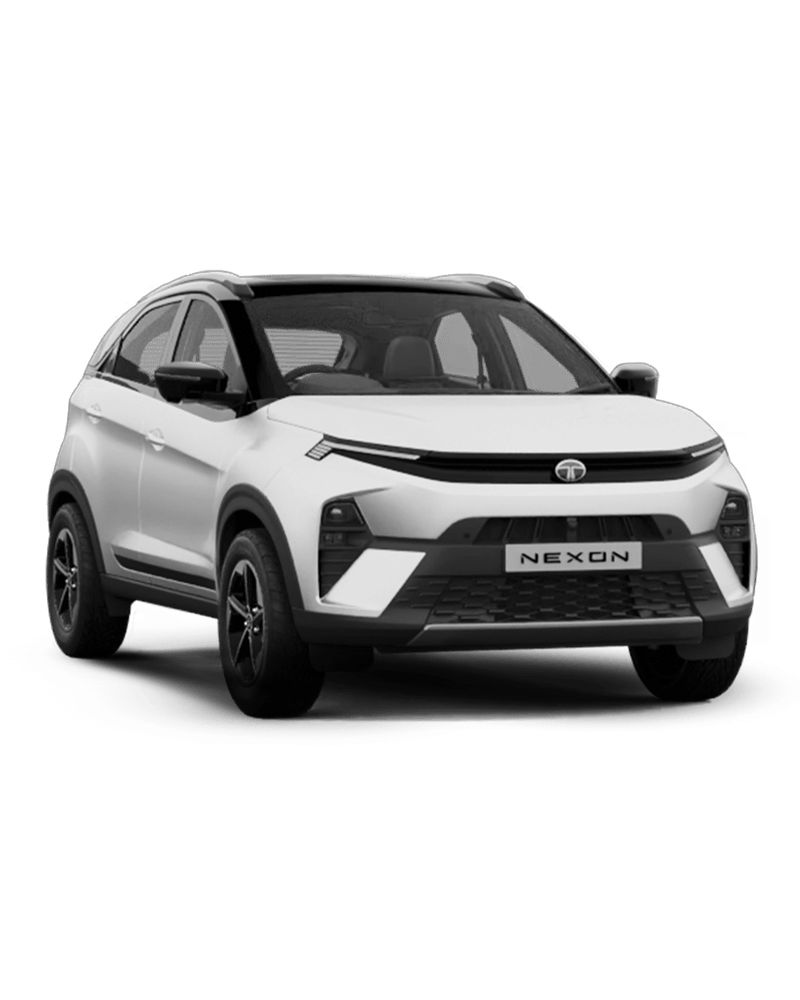
In fact, I think it could also be particularly attractive to buyers considering higher variants of the Venue, Maruti Brezza, Tata Nexon and Kia Sonet. Instead of spending a similar amount on a smaller vehicle, they could potentially move to a larger crossover with a familiar 1.5-litre petrol engine and more equipment. However, the Victoris has something the Bayon currently lacks, which is a wider selection of fuel-efficient powertrains. Hyundai's eventual CNG strategy and the actual fuel economy of the Bayon will therefore be important.
There is also another aspect worth considering. The next-generation Creta is expected in 2027, and reports suggest Hyundai could position it further upmarket, potentially with a hybrid powertrain. If that happens, the Bayon could eventually take over some of the price-sensitive customers currently buying lower variants of the Creta.
The fact that the Bayon introduces a newer digital architecture ahead of the next Creta also makes the timing interesting. Hyundai could be preparing buyers for a new generation of connected technology while gradually strengthening the positioning of its larger SUV. In other words, Hyundai might not be thinking only about where the Bayon fits today, but also where the Creta is heading over the next few years.
But Won't the Bayon Eat Into Venue and Creta Sales?
Almost certainly, to some extent. And I don't think Hyundai will be too worried about that. For a manufacturer, losing a potential Creta or Venue buyer to another Hyundai product is still better than losing that customer to Maruti Suzuki, Kia, Tata or Mahindra. As long as the new model brings additional customers into the showroom and increases the brand's overall sales, some overlap within the portfolio can be acceptable.
To put things into perspective, Hyundai dispatched 17,657 units of the Creta and 11,466 units of the Venue in September 2026. Together, these two models accounted for more than half of Hyundai's domestic passenger vehicle volumes during the month. The company clearly understands the importance of this part of the market and would want to strengthen its presence further.
The challenge will be ensuring that the three SUVs have clearly defined roles. A buyer comparing a feature-loaded Venue, a mid-spec Bayon and an entry-level Creta should be able to understand what each vehicle offers and why one might make more sense than the others. In my opinion, technology could now become one of those deciding factors. Someone who wants the larger cabin and more engine choices might still prefer the Creta. Another buyer looking for the latest infotainment technology and connected features might find the Bayon more appealing.
Safety Is Another Important Part of the Package
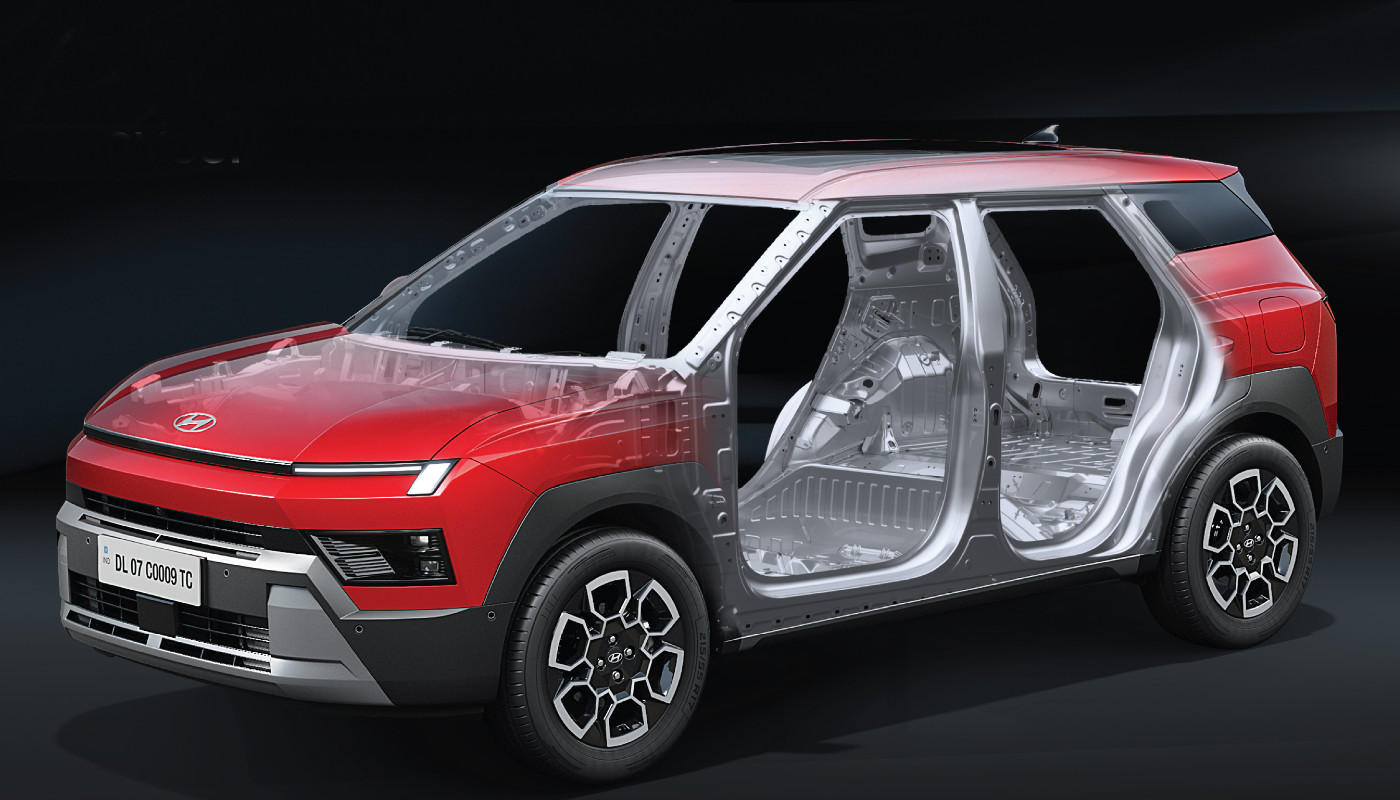
Hyundai has also revealed a comprehensive safety package for the Bayon. The SUV is based on the Global K Enhanced platform and uses 69% advanced multi-grade high-strength steel in its body structure. The company says the vehicle has been engineered to meet five-star Indian safety standards, although an independent crash-test rating has not yet been announced.
The Bayon will offer more than 35 safety features as standard, including six airbags, electronic stability control and hill-start assist. Hyundai has announced more than 80 safety features in total, including Hyundai SmartSense Level 2 Pro ADAS with 23 driver-assistance functions.
Other announced technologies include a surround-view monitor, blind-spot view monitor and all-wheel disc brakes, although the complete variant-wise equipment distribution is still awaited.
For a vehicle expected to compete in the Rs 10-15 lakh price bracket, this could become an important selling point, particularly if Hyundai offers the more useful safety features without restricting them to the most expensive variants.
Hyundai Bayon Expected Price and Launch Details
The Hyundai Bayon will officially launch on October 26, 2026, when the company is expected to announce its prices and complete variant lineup. Bookings are already open for Rs 11,000 through Hyundai dealerships and the company's official website, while deliveries are scheduled to begin during the festive season. Our estimates suggest prices could start at around Rs 9-9.5 lakh and extend to approximately Rs 14-15 lakh, ex-showroom, although Hyundai has not officially confirmed these figures.
If Hyundai prices the Bayon too close to the Creta, many buyers might prefer the larger and more established SUV. If it gets too expensive compared to the Venue, its additional size and technology might not be enough to justify the premium. Personally, I think the Bayon makes considerable sense from Hyundai's perspective. Rather than leaving a large customer base to competitors, the company is expanding its portfolio to offer another option within one of India's most competitive price brackets.
More importantly, the Bayon shows that Hyundai is not following the traditional approach where the more expensive vehicle automatically receives the newer technology. The current Creta might still offer a bigger cabin and more versatile engine choices, but the Bayon will have the advantage of a newer digital cockpit, more advanced software architecture and generative AI integration. But whether this makes equal sense for buyers is something we will understand only after the prices are announced and the car has been driven.
Do you like this article?
Comments
No comments yet. Be the first to comment!