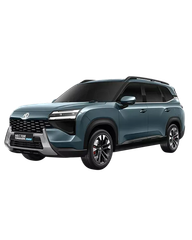
MG Tomahawk PHEV Vs Toyota Innova Hycross: Which One Should You Buy

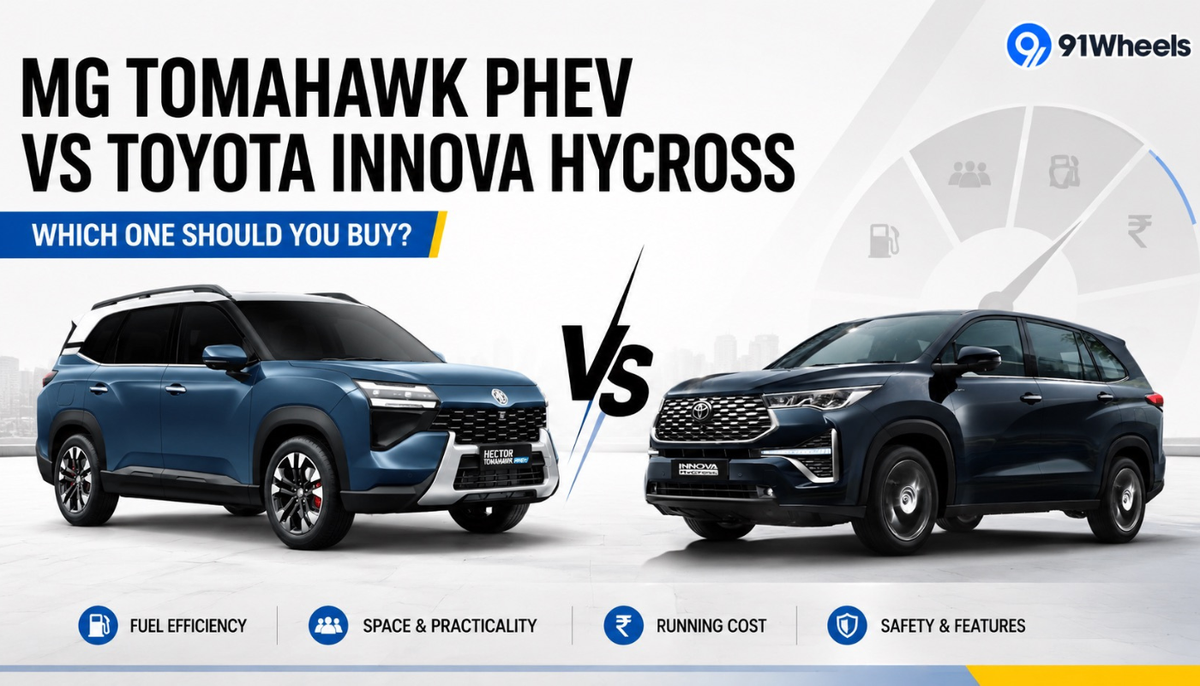
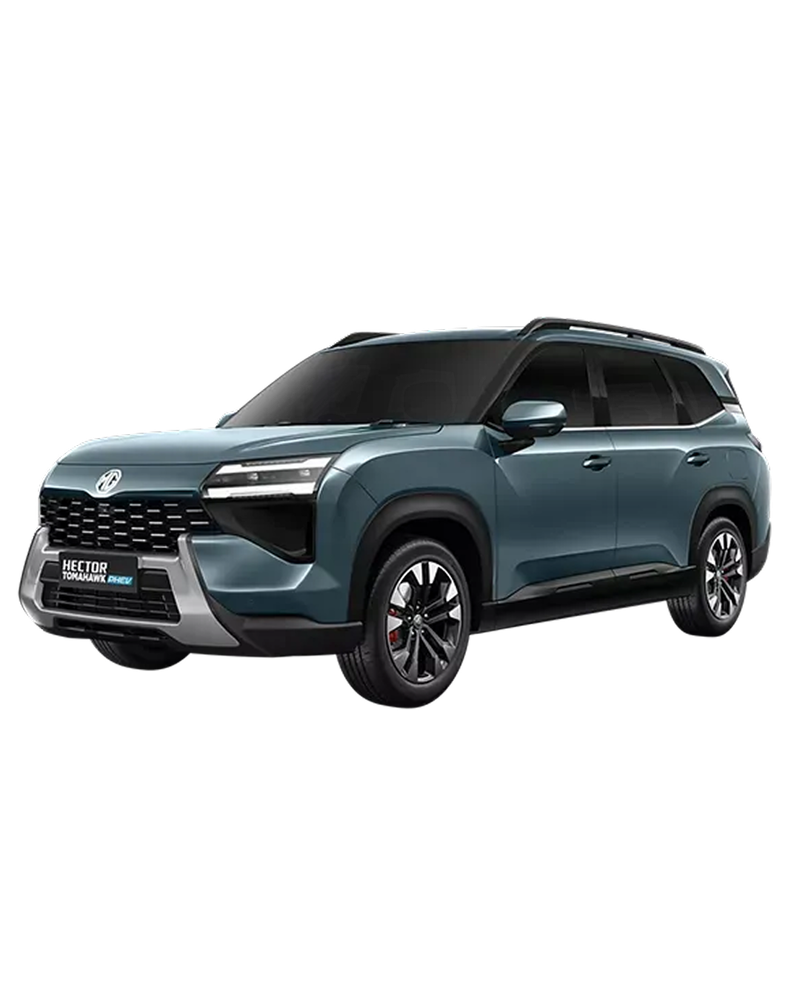
India's electrified people-mover space just got a lot more interesting. On one side sits the Toyota Innova Hycross, the strong-hybrid MPV that has spent the last few years redefining what a "family car" can be. On the other is the newly launched MG Hector Tomahawk PHEV, the country's first mass-market plug-in hybrid, wrapped in an SUV body instead of a van-like silhouette.
Both cars promise big fuel savings over a conventional petrol or diesel, both seat seven, and both are aimed squarely at buyers who want one vehicle to handle everything from the daily commute to the annual family road trip. But they approach it differently, and that difference should drive your buying decision more than any spec sheet.
Here's a top-to-bottom look at how the two compare, using their fully loaded variants, the Tomahawk PHEV Essence and the Hycross Hybrid ZX(O), as the benchmark.
Read more: 2026 Mahindra Thar Facelift Spotted Testing Again: New Details
Powertrain: Plug-in Hybrid Vs Self-Charging Hybrid
This is where the two cars diverge most sharply, and it's the single biggest factor that should shape your decision.
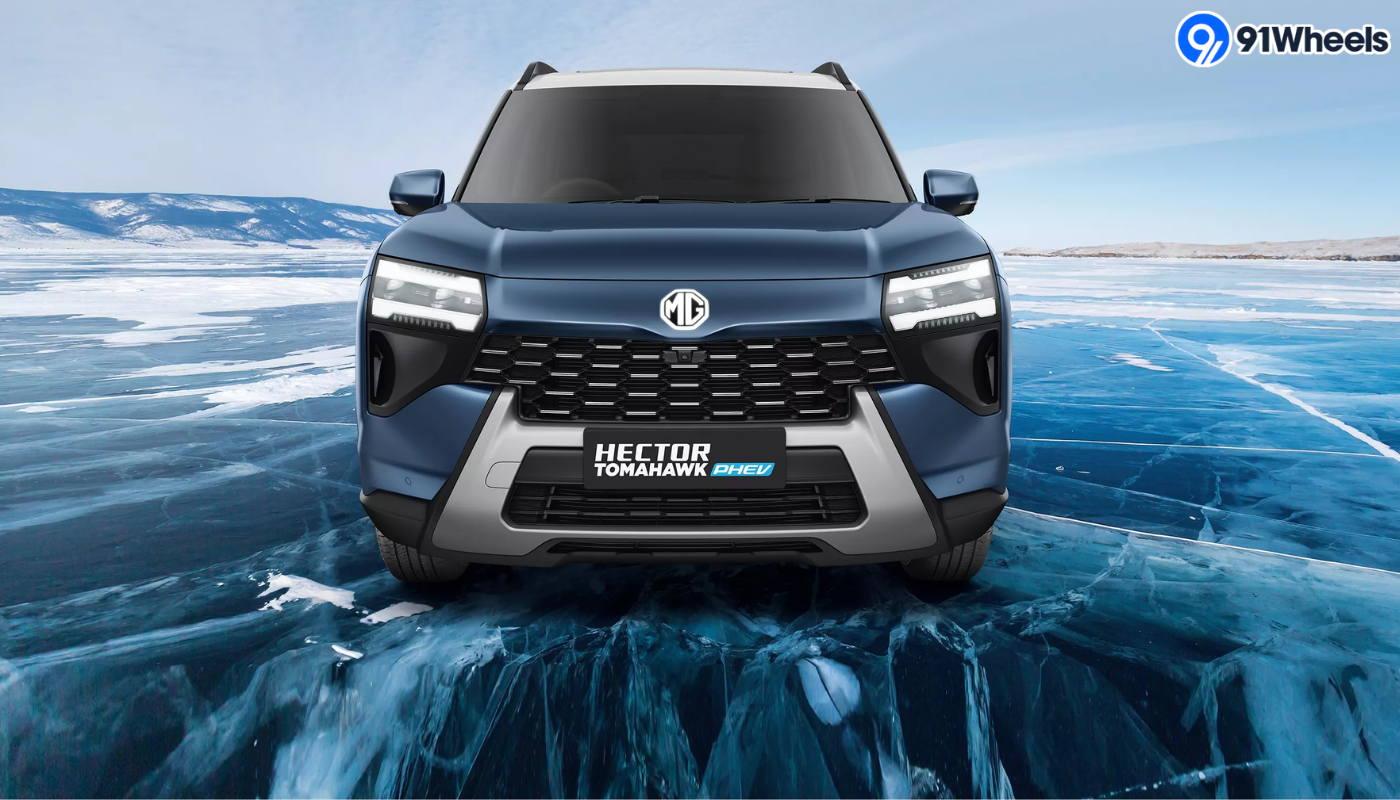
The Hector Tomahawk PHEV pairs a 1.5-litre petrol engine with a substantial 20.5kWh battery and a Dedicated Hybrid Transmission (DHT). Because the battery is large enough to be charged externally, MG quotes an electric-only range north of 115km and a combined range claim of over 1,100km. System output comes in at 198hp and 230Nm, and MG claims the sprint to 100 km/h takes around 9 seconds, quick for anything in this segment, let alone a three-row family vehicle. Charging takes roughly 7.5 hours on a standard AC socket, or about 35 minutes for an 80 percent top-up on a DC fast charger.
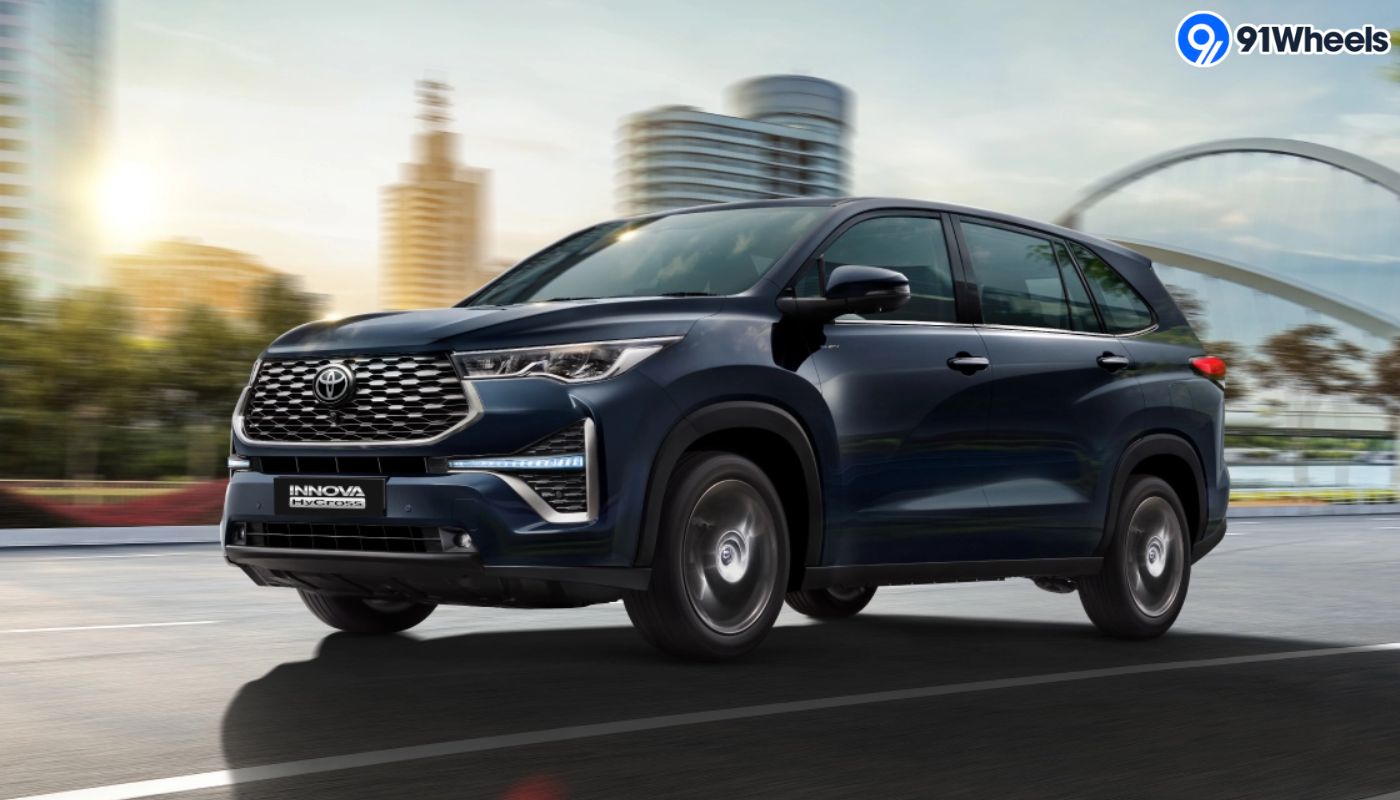
The Innova Hycross takes a completely different approach. Its 2.0-litre petrol engine works with a much smaller 1.6kWh battery that never needs to be plugged in; the car manages its own charging on the move. That simplicity is the whole appeal of a "self-charging" hybrid: no cables, no charging infrastructure to hunt for, no change in daily routine. The trade-off is a lower combined output of 184hp and 188Nm, a noticeably slower 0-100kph time of around 10.7 seconds, and a claimed mileage figure well behind the MG's.
On paper, the numbers favour the Tomahawk PHEV: comfortably more power, quicker acceleration, and a mileage claim more than double the Hycross's. But claimed PHEV efficiency figures assume the battery starts full and the trip stays within electric range; once that charge depletes on a long highway run, the real-world gap between the two narrows considerably, and the Tomahawk starts behaving more like a heavier hybrid than a fuel-sipping EV. The Hycross, meanwhile, has years of real-world ownership data behind it and a reputation for consistently delivering close to its claimed figures without changing usage habits. If your daily driving is mostly short urban trips and you have access to home or office charging, the Tomahawk PHEV's advantage is real and significant. If you cover long distances regularly or simply don't want to think about charging, the Hycross remains the less fussy option.
Size and Practicality: MPV Space vs SUV Stance
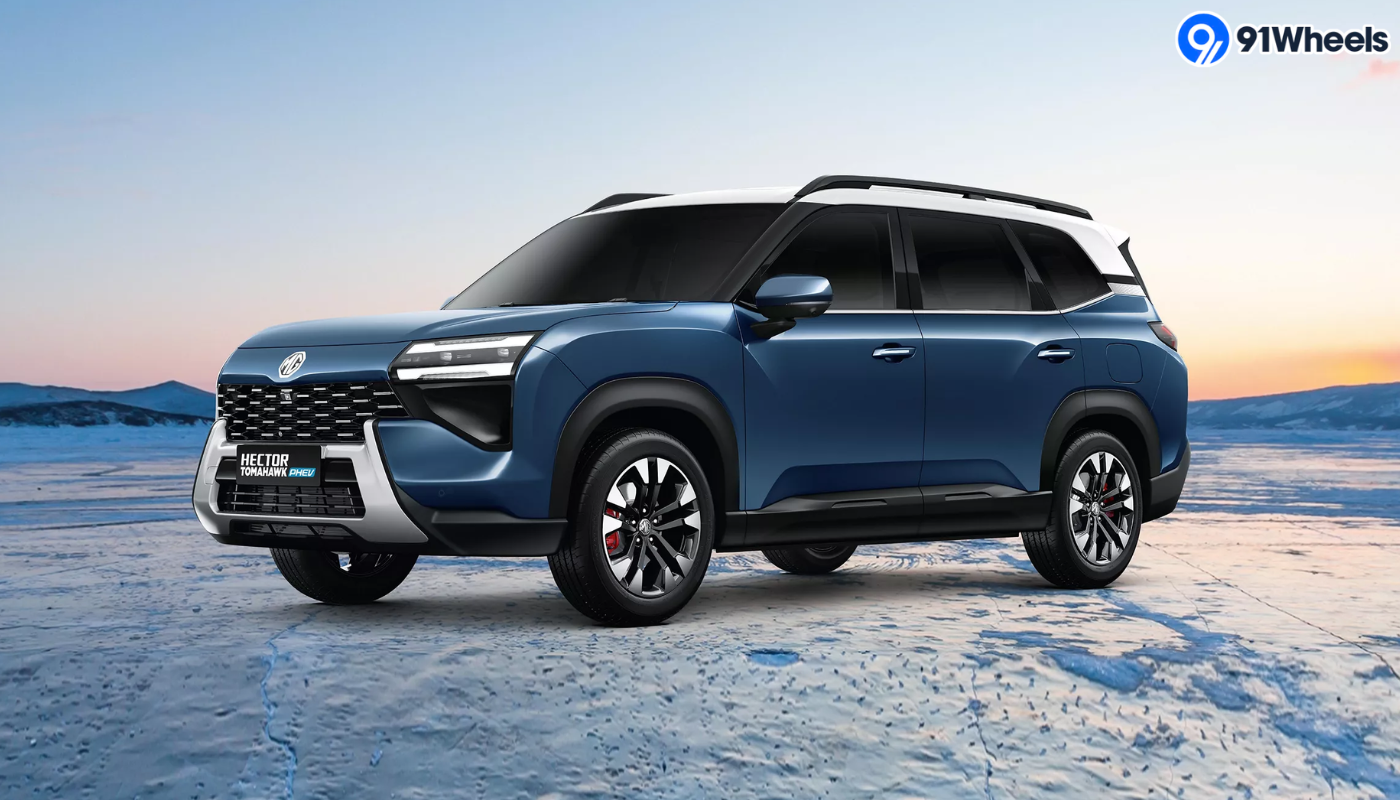
The Innova Hycross retains a genuine edge in outright practicality. It's marginally longer, taller, and has a 40mm longer wheelbase than the Tomahawk PHEV, translating into a larger 239-litre boot with all three rows up - 47 litres more than the MG offers. Some of that shortfall on the Tomahawk's part comes down to packaging: fitting a much larger battery pack into an SUV platform eats into cargo space that would otherwise be available.
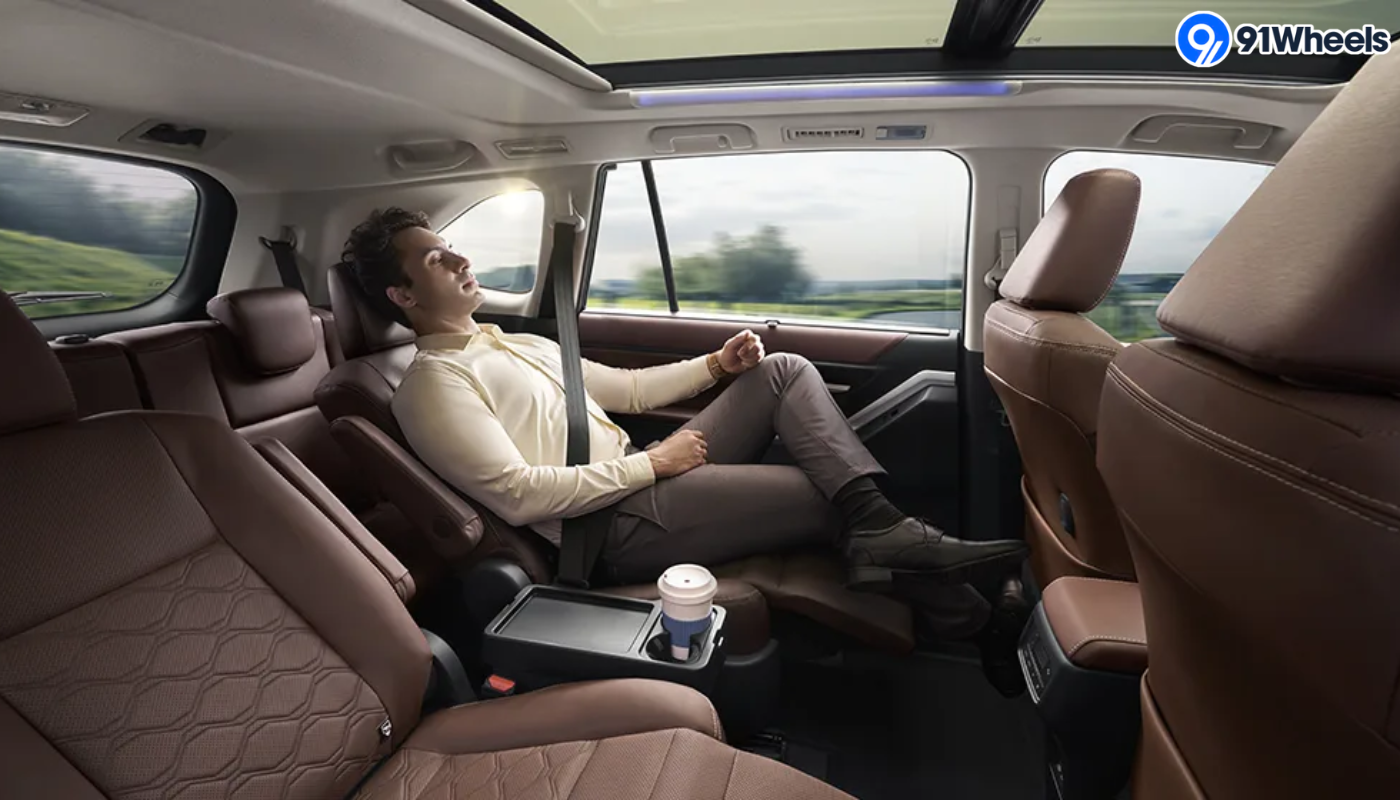
Where the Hycross uses individual, powered captain's chairs with a fold-away ottoman function for the second row, the Tomahawk PHEV opts for a sliding, reclining bench-style second row. Families who prioritise business-class-style captain seats and don't mind seven-seat configurations losing a bit of flexibility will lean toward the Toyota. Those who'd rather have an SUV's road presence, and don't need every last litre of boot space, will find the MG perfectly usable for most real-world family duties.
Features and Cabin Tech: The MG Pulls Ahead
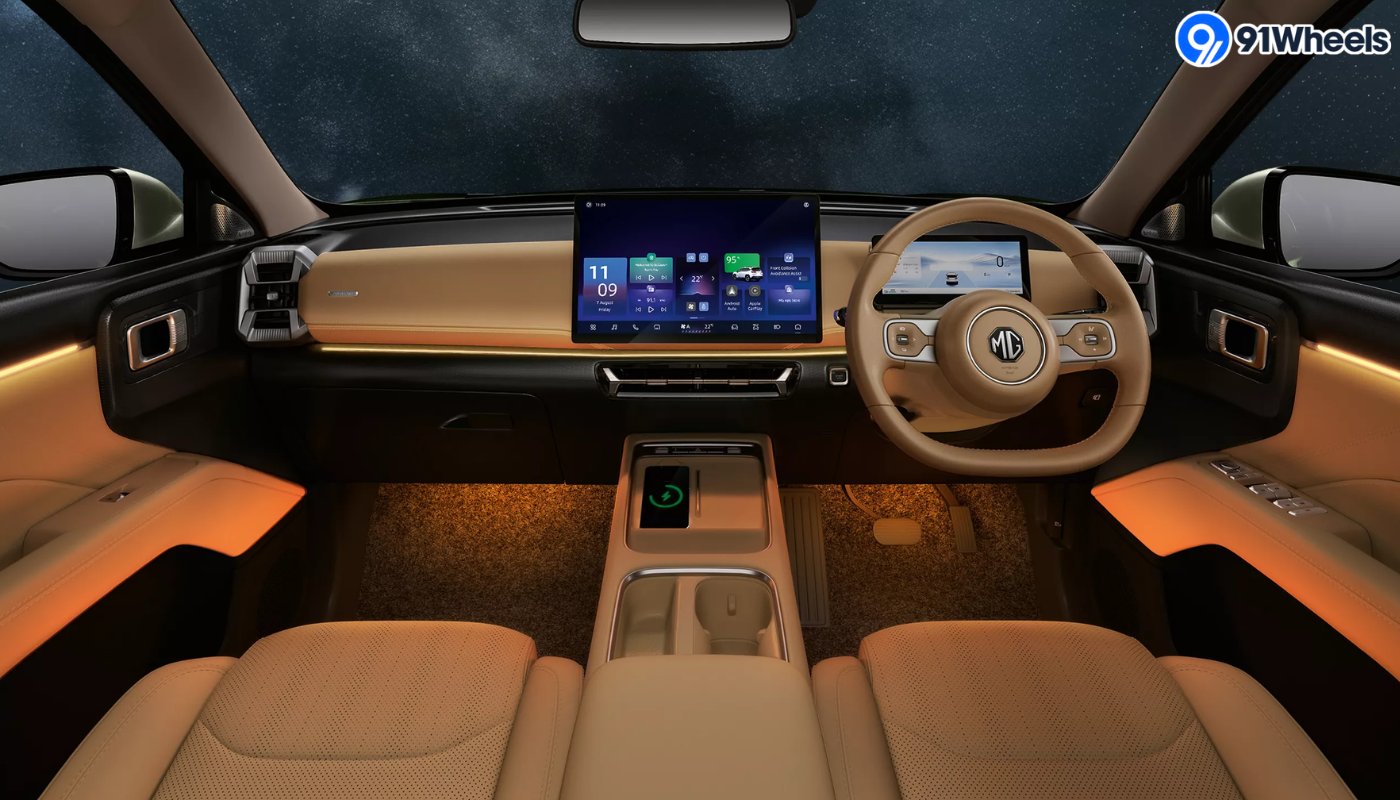
Step inside, and the Tomahawk PHEV feels like the newer, more tech-forward product, which makes sense, given it's the more recent launch. It gets a considerably larger 15.6-inch touchscreen with swipe gestures, an 8.8-inch fully digital instrument cluster, wireless Apple CarPlay and Android Auto (the Hycross only offers wireless CarPlay), a 50W wireless charger that the Toyota skips entirely, dual-zone climate control versus the Hycross's single-zone setup, and a 256-colour ambient lighting system.
MG's partnership with Jio also brings over-the-air update capability and multi-app support, think streaming and gaming apps built into the infotainment, none of which the Innova Hycross offers. The Tomahawk's voice assistant is AI-powered and multilingual, adding a layer of polish that feels distinctly newer-generation.
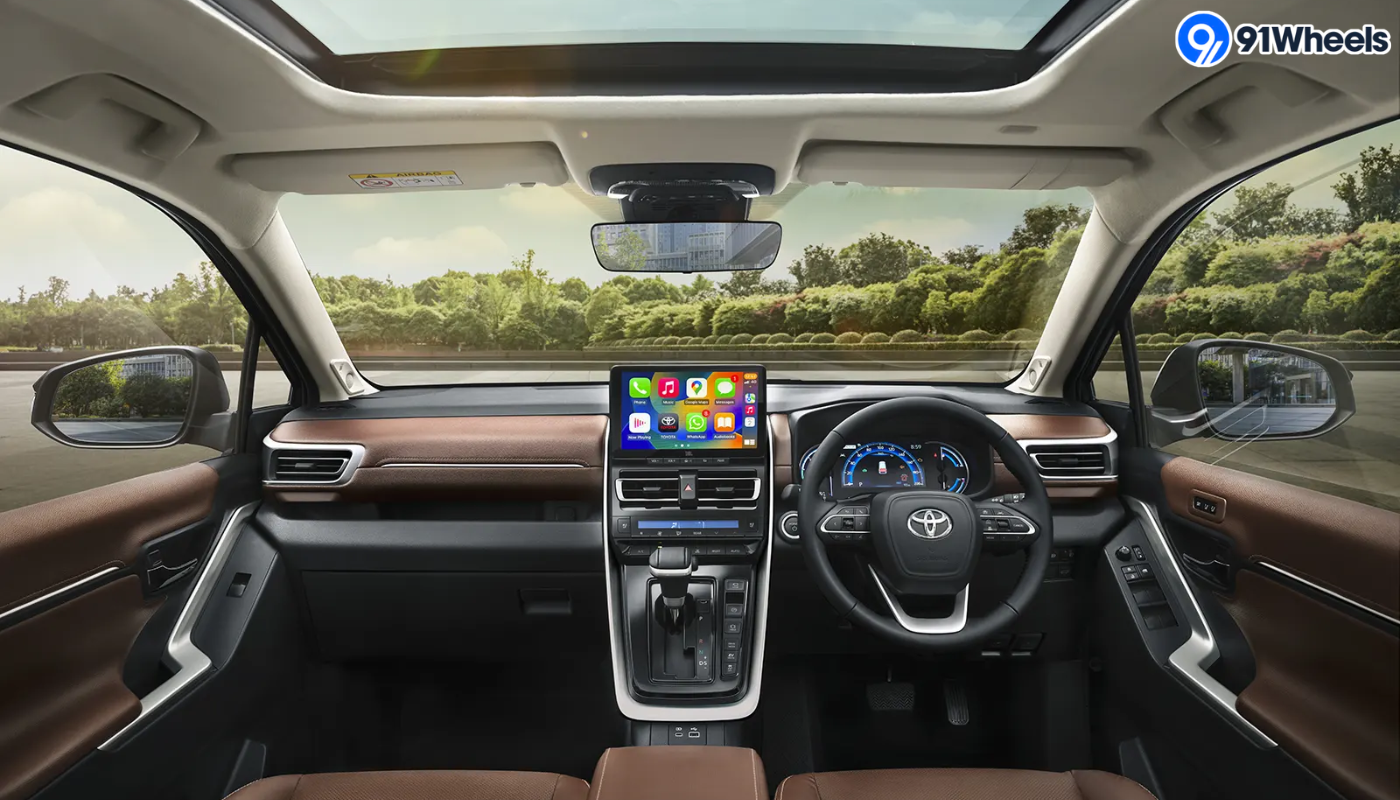
That said, "more tech" isn't automatically better to use. The Hycross's simpler 10.1-inch screen and greater reliance on physical switchgear will appeal to buyers who find heavily touchscreen-dependent cabins distracting, particularly on the move. The MG's minimalist, screen-first design looks striking in a showroom but demands more attention while driving than the Toyota's more conventional layout.
On the exterior, both cars are closely matched on essentials like LED lighting and powered, auto-folding mirrors, but each has a few features the other lacks. The Tomahawk PHEV adds body cladding, roof rails, a backlit MG logo, and gets colour options in both mono-tone and dual-tone finishes. The Hycross counters with front LED fog lamps and welcome lights. Neither car has a meaningful edge here; it comes down to which body style and styling language you prefer.
Safety Features
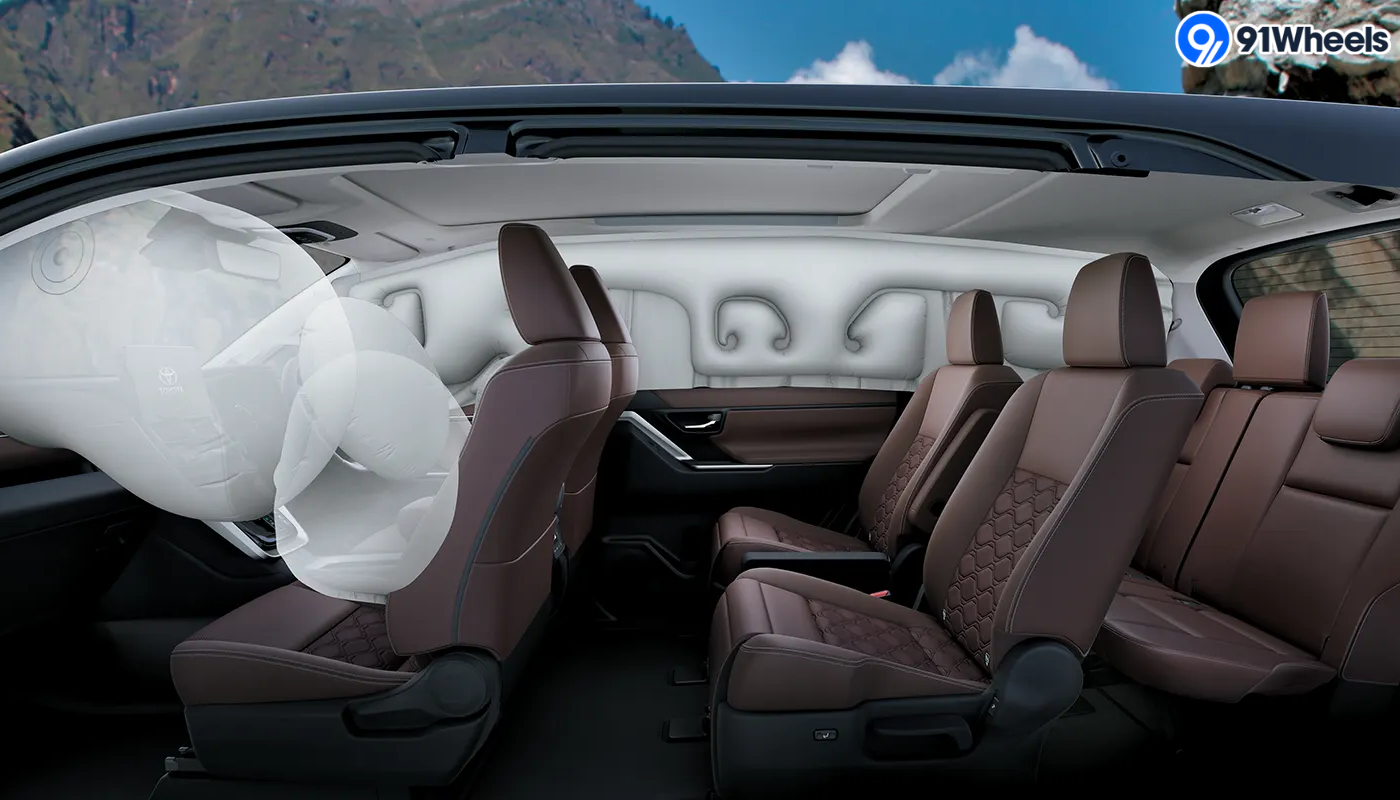
Both top-spec variants come with six airbags, ABS with EBD, electronic stability control, a 360-degree camera, hill-hold assist, and ADAS as standard; there's no compromise on the basics either way.
The Tomahawk PHEV edges ahead with traction control and rain-sensing wipers, both absent on the Hycross. Its ADAS suite is also more elaborate: adaptive cruise control includes Bend Cruise Assistance, which slows the car automatically through corners, plus Traffic Jam Assist working alongside lane-keeping functions. The Innova Hycross's safety package is solid and thoroughly proven, but it doesn't quite match the MG's breadth of active-safety features on paper.
Drive Modes and Extra Functionality
The Tomahawk PHEV offers four drive modes (Eco, Normal, Sport and Custom) against the Hycross's three (Eco, Normal, Power), and adds Vehicle-to-Vehicle and Vehicle-to-Load functionality, handy if you ever want to power external devices or another EV off the car's battery. The Hycross counters with paddle shifters, a feature the Tomahawk doesn't offer, though their usefulness on a hybrid MPV built for comfort rather than engagement is debatable.
Price
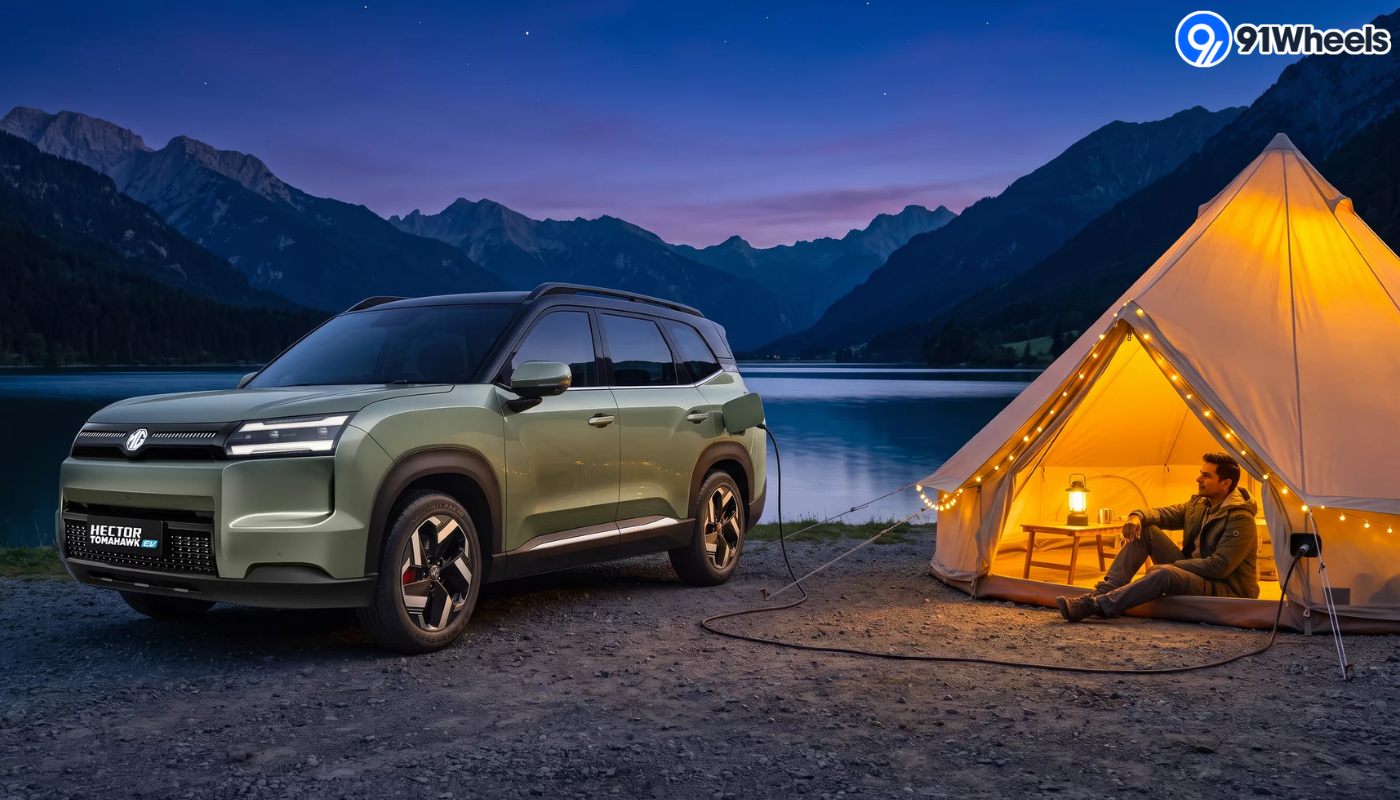
At the top end, the numbers favour the MG decisively. The Hector Tomahawk PHEV Essence is currently priced at Rs 27.79 lakh (introductory pricing), while the Innova Hycross Hybrid ZX(O) commands Rs 31.84 lakh, a difference of just over Rs 4 lakh. That's a significant sum, and it buys the Tomahawk a genuinely richer features list on top of the lower sticker price.
It's worth flagging that the MG's pricing is introductory and could rise once the launch offer period ends, which would narrow this gap. Still, even accounting for some upward movement, the Tomahawk PHEV looks like strong value against a Hycross that has commanded a premium in this segment for years.
Read more: BMW i5 LWB Unveiled in India: Expected Price, Range and Key Details Here
Verdict: Which One Should You Buy?
There's no universally "correct" answer here - it depends on what you actually need from a family car.
Choose the MG Hector Tomahawk PHEV if: you want an SUV rather than an MPV, you can charge regularly at home or work and want to exploit genuine EV-only running for your daily commute, you value cutting-edge cabin tech and a longer features list, and a lower purchase price matters to you.
Choose the Toyota Innova Hycross Hybrid if: you cover long distances often and want hybrid efficiency without ever plugging in, you need maximum boot space and prefer individual captain's chairs in the second row, you'd rather have a simpler, switchgear-heavy cabin than a touchscreen-dependent one, and you're buying into Toyota's long, proven reliability and resale-value track record in this segment.
Neither car is the "wrong" choice - they're just built for different kinds of buyers. The Tomahawk PHEV is the more modern, more powerful, better-equipped, and cheaper option on paper. The Innova Hycross remains the safer, more practical, and more hassle-free bet for anyone who wants a hybrid that works the same way every single day, without a charging cable in sight.
Do you like this article?
Comments
No comments yet. Be the first to comment!