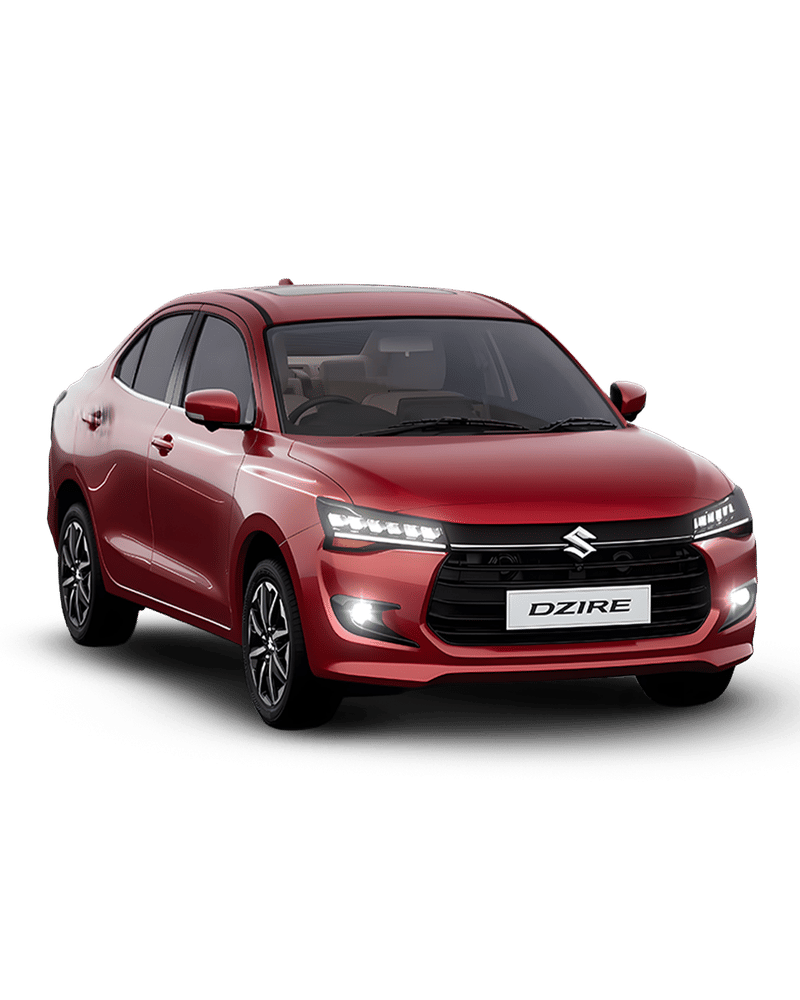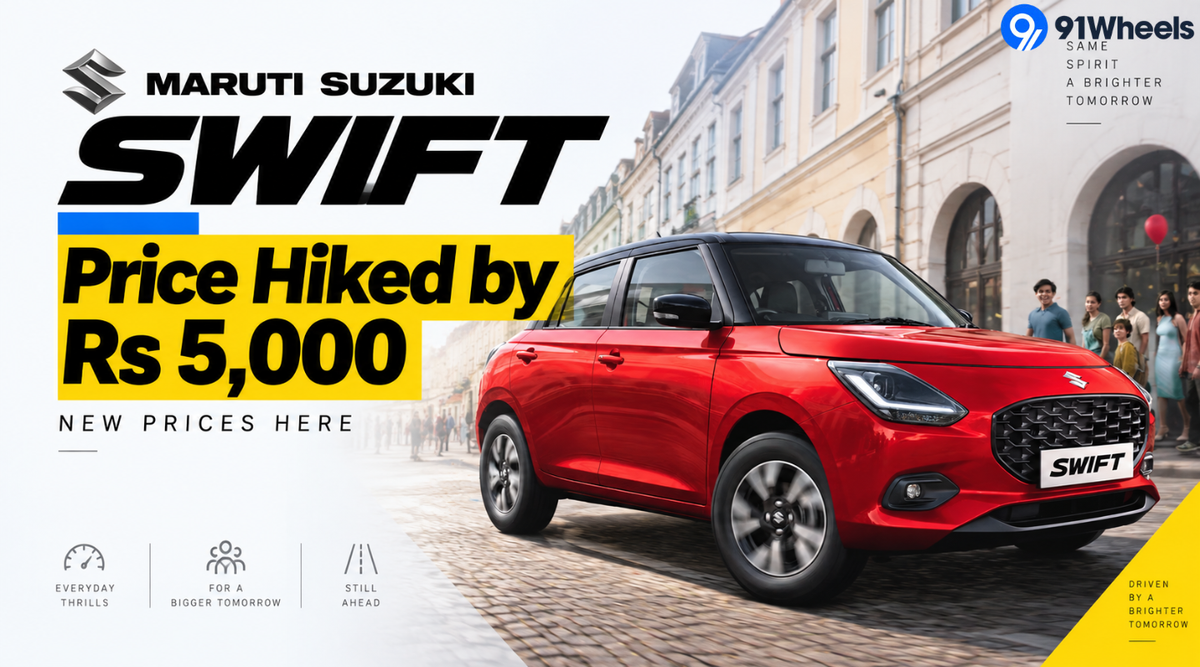
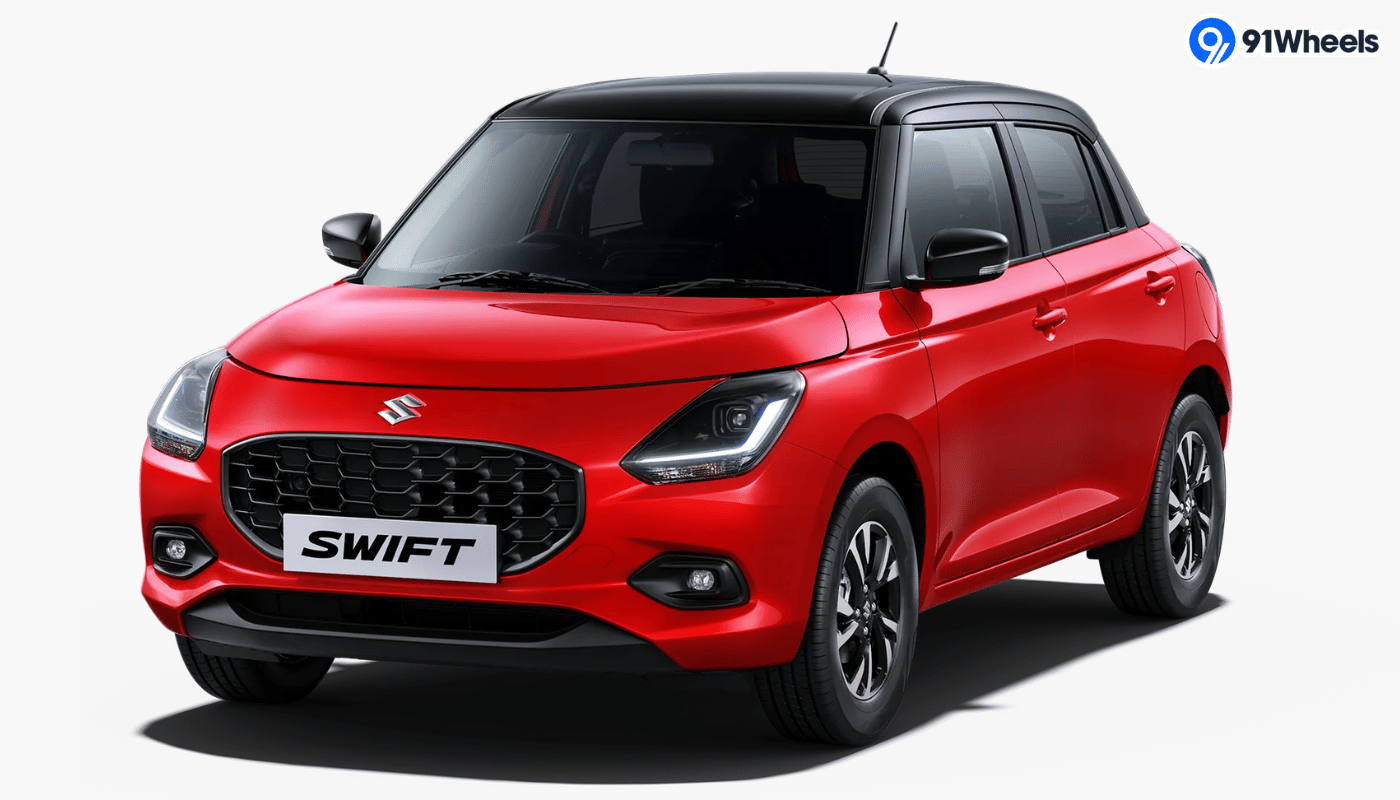
The Maruti Suzuki Swift has become costlier by Rs 5,000, and all variants of it have received this change. It now starts at Rs 5.84 lakh, and the top variant costs Rs 8.89 lakh (ex-showroom). Apart from the Swift, Maruti Suzuki has revised prices across its lineup, marking the fourth such hike in 2026. What's the root cause for this? What other vehicles see change in prices? Let's learn below in detail.
Maruti Suzuki Cars Price Hike
The Maruti Suzuki Swift isn't the only model to receive a price hike. Several other cars in the lineup have also seen revised prices, ranging from Rs 2,500 to Rs 20,000. Additionally, by the month's end, a few cars left out from the list, like the Grand Vitara and Celerio, will receive a new sticker price, but before that, let's check out the rest of the cars and how much each car has cost.
Maruti Suzuki | Price hike |
|---|---|
Swift | 5000 |
5,000, CNG - 7,500 | |
Eeco | 5,000 |
S-Presso | 2,500 |
Fronx | 7,500 |
Victoris | 20,000 |
Now these revisions tell us that almost every car from India's largest automaker is becoming more expensive to buy, no matter the size of the vehicle. For instance, the Maruti Fronx, only available via NEXA dealers, has received a hike of up to Rs 7,500, which includes certain petrol-powered variants getting costlier by up to Rs 5,000 and some CNG trims getting a hike of Rs 2,500. The Victoris, the flagship car of the Maruti Arena division, has received the highest revision of up to Rs 20,000. Now, the latest car to get affected is the Swift, and in a few days we'll get another price announcement.
Why Cars Are Getting Expensive?
There are multiple reasons behind this, and the foremost among them is the rising prices of commodities, such as steel, copper, iron, aluminum, and rubber, which directly pushes up manufacturing costs. Global supply chain issues have persisted even now, when the Strait of Hormuz is open for Indian commercial vessels. This is the fourth time Maruti Suzuki has taken this decision, and every time they quote rising commodity prices as the primary driver.
Do you like this article?
Comments
No comments yet. Be the first to comment!