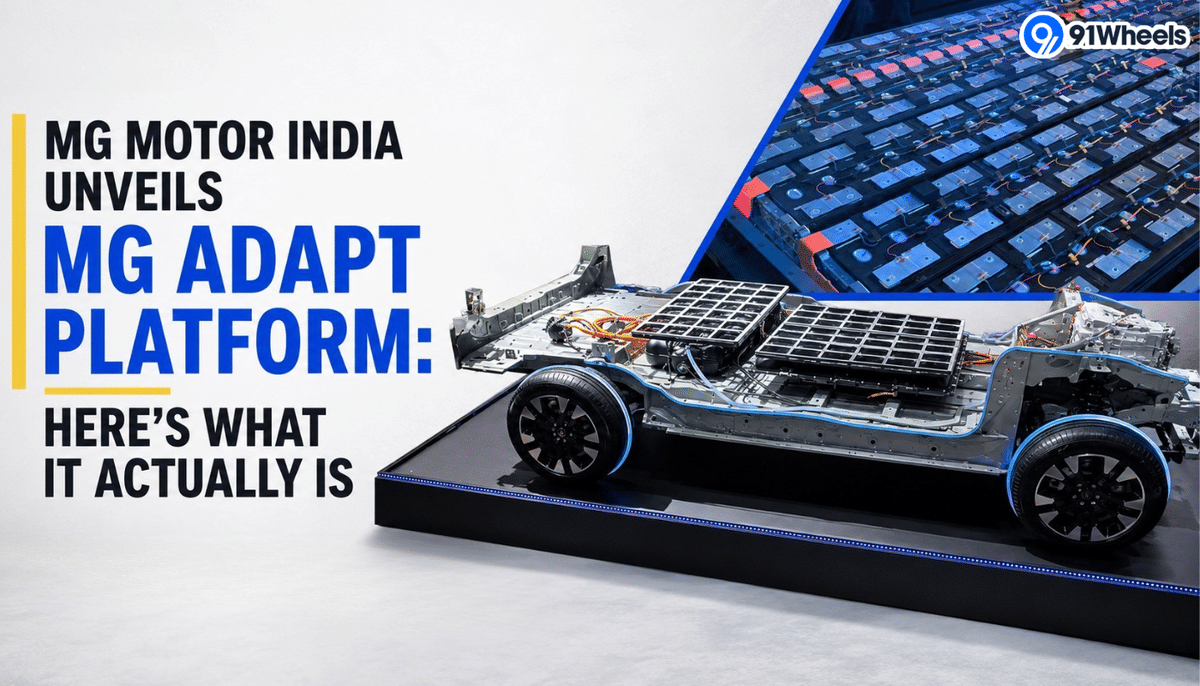
JSW MG Motor India has pulled the wrapper off a new underpinning that it says will carry the brand's next wave of electrified models - ADAPT, short for Advance Drive Architecture Platform Technology. The company is positioning it as the first architecture from any manufacturer in the country built to run electric, hybrid, plug-in hybrid, and range-extender powertrains off the same base. In plain terms, MG has designed one skeleton that can be dressed up as four very different kinds of vehicles depending on what the market needs.
The announcement came out of Gurugram, and MG has confirmed that the first two products riding on this platform - a fully electric model and a plug-in hybrid are slated to arrive within FY2026-27.
Why a Multi-Powertrain Platform Matters
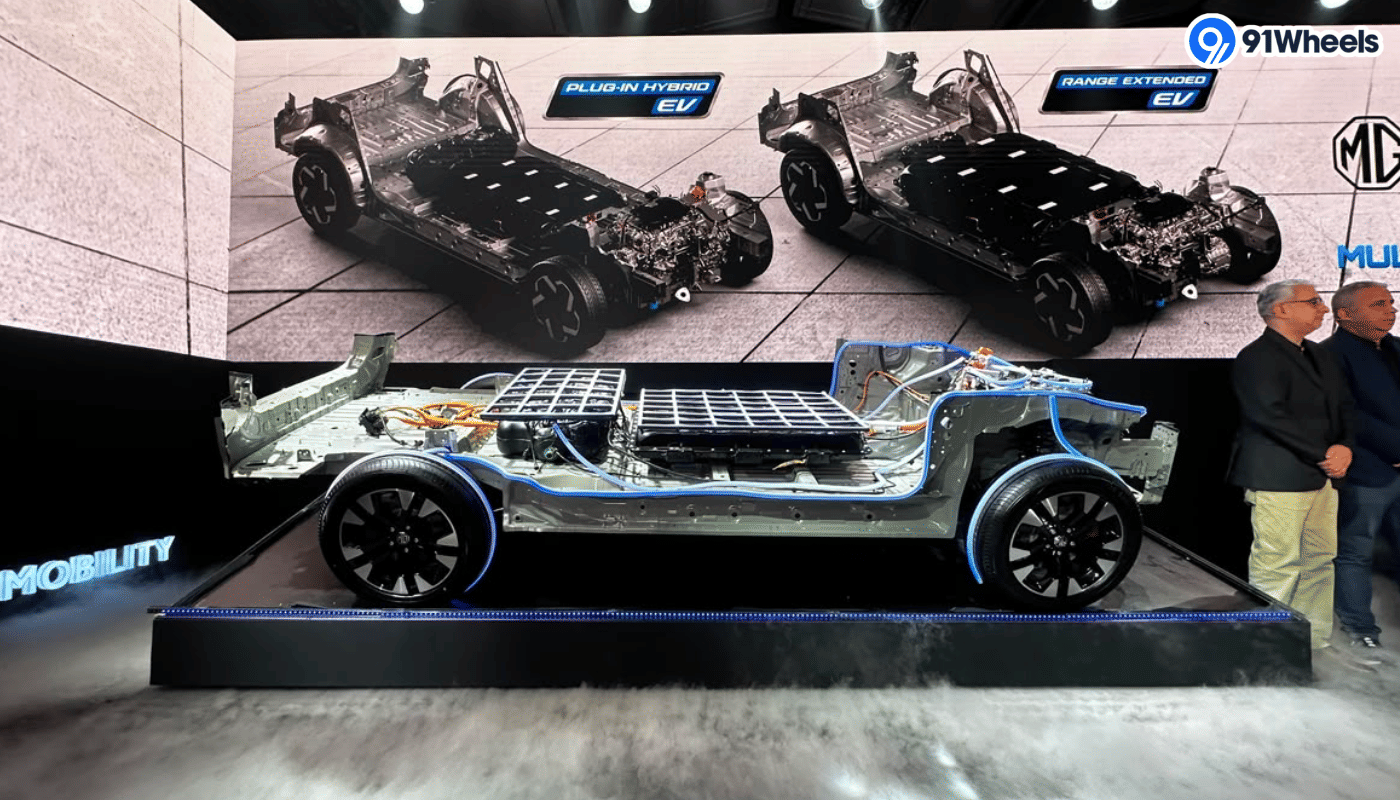
Most carmakers still build separate platforms (or heavily modify a single one) for EVs versus hybrids versus combustion vehicles, because battery packs, motors, and engines all demand different packaging. MG's pitch with ADAPT is that it collapses this into one shared framework, which in theory should let the brand roll out new energy variants faster and cheaper than starting each one from scratch. Whether that translates into quicker showroom launches for Indian buyers remains to be seen, but the intent is clearly to shorten MG's product development cycle going forward.
What's Under the Skin
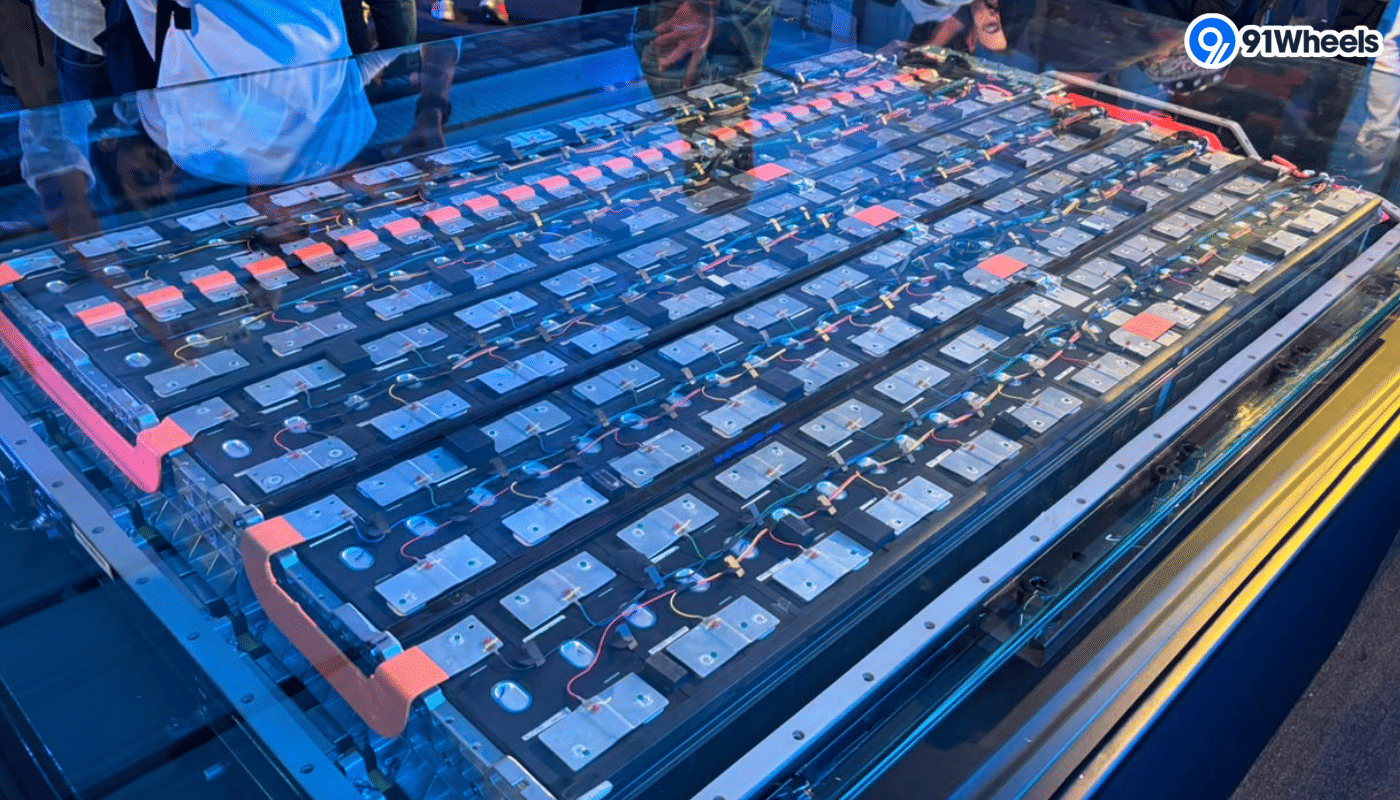
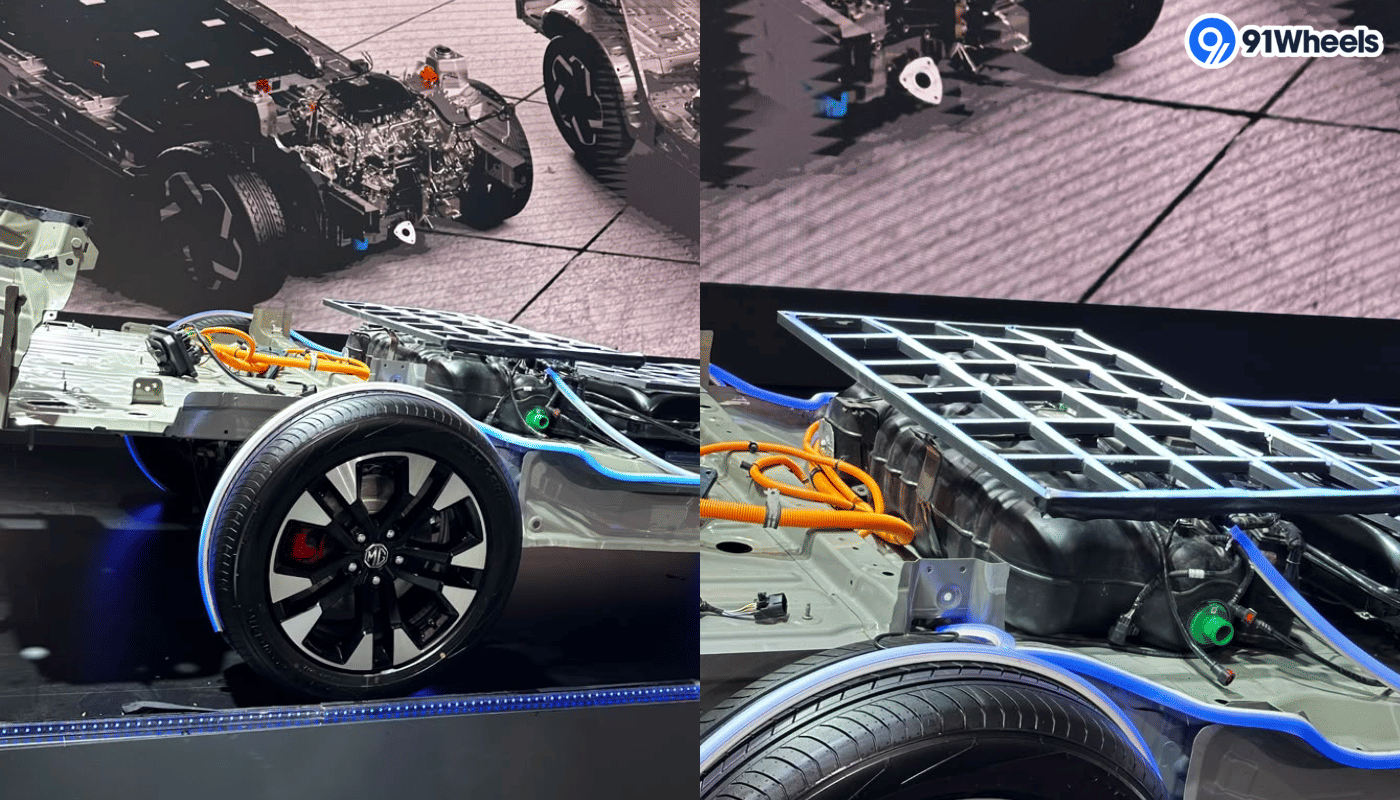
Strip away the marketing language, and ADAPT is really four hardware pieces working in concert:
- A hybrid-only engine - tuned specifically for electrified use rather than being a combustion engine adapted for hybrid duty, aimed at squeezing out better thermal efficiency and lower fuel burn.
- A dedicated battery pack - built to deliver quick electric response along with what MG describes as improved safety margins.
- A 10-in-1 electric drive unit - which MG claims is a first for the Indian market, consolidating multiple electric drive components into a single compact housing.
- An electromagnetic hybrid transmission - described as a world-first application, designed to hand off power between engine and motor smoothly rather than with the jerkiness typical of some hybrid setups.
Tying all of this together is what MG calls its Intelligent Energy Management System — essentially the software brain that decides, moment to moment, which combination of engine and motor should be doing the work.
Four Ways the Car Can Drive Itself Around
The energy management system toggles between four operating modes on the fly:
Mode | What It Does |
|---|---|
Pure Electric | Motor alone powers the car - for quiet, low-speed city driving |
Series Hybrid | Engine runs purely as a generator; the motor still does the driving |
Parallel Hybrid | Engine and motor combine forces for maximum output |
Engine Direct Drive | Engine takes over directly, optimised for steady highway speeds |
The idea is that the car constantly reads road and driving conditions and picks whichever mode sips the least fuel or battery without the driver having to think about it.
Room for Range-Extender EVs Too
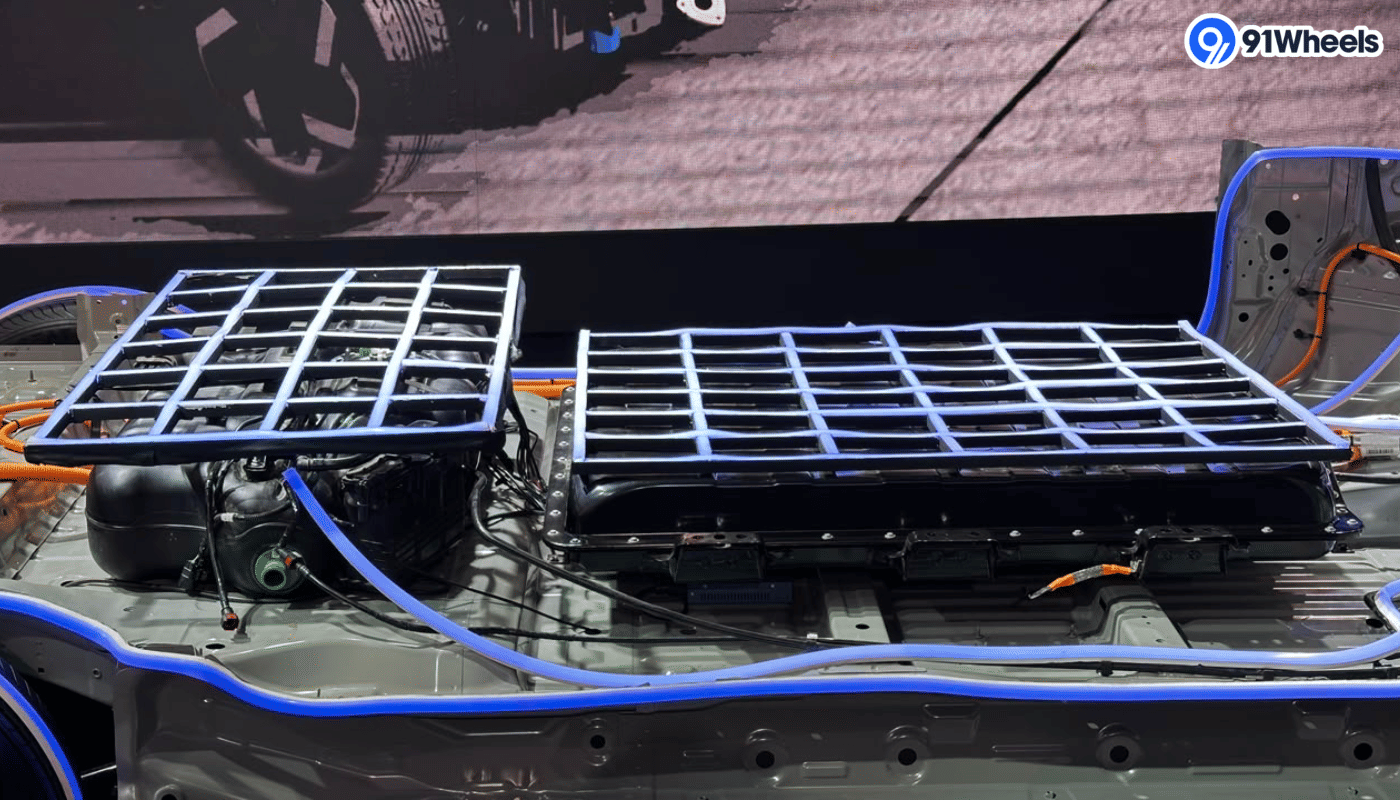
Beyond EVs, HEVs, and PHEVs, the same architecture is engineered to accommodate Range Extender Electric Vehicles (REEV) - a layout where the wheels are driven exclusively by an electric motor, while a small petrol engine's only job is to top up the battery when it runs low. It's a setup aimed at buyers who want an EV-like driving feel but without the range anxiety on longer trips, since there's always a backup way to recharge on the move.
The Bigger Picture
MG frames ADAPT as the technological base for its entire upcoming new-energy vehicle lineup in India, rather than a one-off engineering exercise for a single model. With SAIC Motor's global scale behind JSW MG Motor India and the company already building on firsts like the ZS EV and the Windsor EV in India, ADAPT reads as an attempt to lock in a manufacturing and engineering advantage before rivals bring similarly flexible platforms to the segment.
The real test, though, will be in execution - how the EV and PHEV built on this platform actually perform, price, and hold up once they're out on Indian roads, likely sometime in FY2026-27.
Do you like this article?
Comments
No comments yet. Be the first to comment!