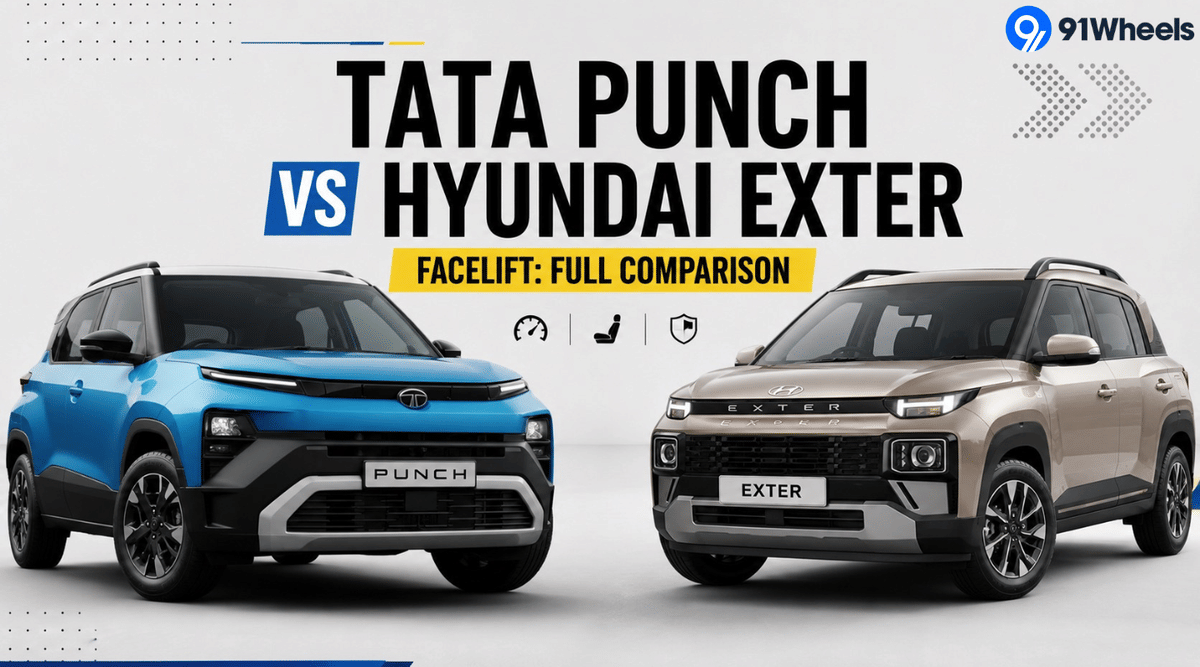
Gone are the days when the first car of any Indian family used to be a Maruti Alto, Wagon R or Hyundai i10. The new first cars are the Tata Punch and Hyundai Exter, because they offer more for less. More features, better ground clearance, and an SUV-like appearance, all starting under Rs 6 lakh (ex-showroom). The Tata Punch remains the bestseller, and its recent update has given it more life, but the Exter is already back with an update of its own to give the Punch tough competition. So, out of these two, which one should you pick? Let's do a comparison and find out which is the best.
Tata Punch vs Hyundai Exter: Price and Variants
The Tata Punch is offered across 26 variants, priced from Rs 5.65 lakh to Rs 10.60 lakh (ex-showroom). On the other hand, the Hyundai Exter spans 32 variants, starting at Rs 5.80 lakh and topping out at Rs 9.42 lakh.
At the entry level, the gap is small. Punch's Smart trim undercuts the Exter's HX2 by about Rs 15,000, though both are fairly basic at this price point.
The real story is at the top. Comparing the Punch Accomplished+ S against the Exter HX10, the equivalent petrol-AMT variants are separated by just Rs 13,000, with the Exter actually being marginally cheaper here (Rs 9.41 lakh vs Rs 9.54 lakh). But the Punch has options the Exter simply doesn’t offer in its top trim: a petrol-manual version at Rs 8.99 lakh (no AMT premium), a turbo-petrol manual at Rs 9.79 lakh, and a CNG-AMT version at Rs 10.54 lakh. The Exter's top trim is locked to one engine and one gearbox combination: 1.2-litre petrol with 5-speed AMT, full stop.
In a nutshell, the Punch doesn't just outscore the Exter on paper, it does so while costing less in more configurations. For most buyers, that's not a close call.
Tata Punch vs Hyundai Exter: Powertrain Options
This is where Tata Punch came victorious, as it comes with 3 engine options. A 1.2L 3-cylinder petrol, 1.2L CNG, and a 1.2L turbo petrol. Plus, there's an electric version of this car, which is sold separately as Punch.ev. Now, Exter makes up for its points with a much smoother 1.2L 4-cylinder petrol engine, which is also available with CNG, but it doesn't come with an AMT gearbox with CNG, whereas Punch offers it.
So, again, an edge over the car. That said, for people who prefer a spirited driving experience, then there is a 1.2L turbo engine, which puts out 120 PS and 170 Nm of torque and only comes with a 6-speed manual, so strictly for those enthusiasts. Now, let's take a closer look at the table to understand this better.
Tata Punch Specifications:
Powertrain | 1.2L Na | 1.2L CNG | 1.2L Turbo |
|---|---|---|---|
Power | 87.8 PS | 73.4 PS | 120 PS |
Torque | 115 Nm | 103 Nm | 170 Nm |
Cylinders | 3 | 3 | 3 |
Gearbox | 5-MT, 5-AMT | 5-MT, 5-AMT | 6-MT |
Hyundai Exter Specifications:
Powertrain | 1.2L Kappa | 1.2L CNG |
|---|---|---|
Power | 83 PS | 69 PS |
Torque | 113.8 Nm | 95.2Nm |
Cylinders | 4 | 4 |
Gearbox | 5-MT, 5-AMT | 5-MT |
Lastly, both cars feature dual-cylinder CNG technology, ensuring the boot space remains unaffected despite housing two cylinders, a significant advantage for these micro SUVs.
Design and Exterior Features
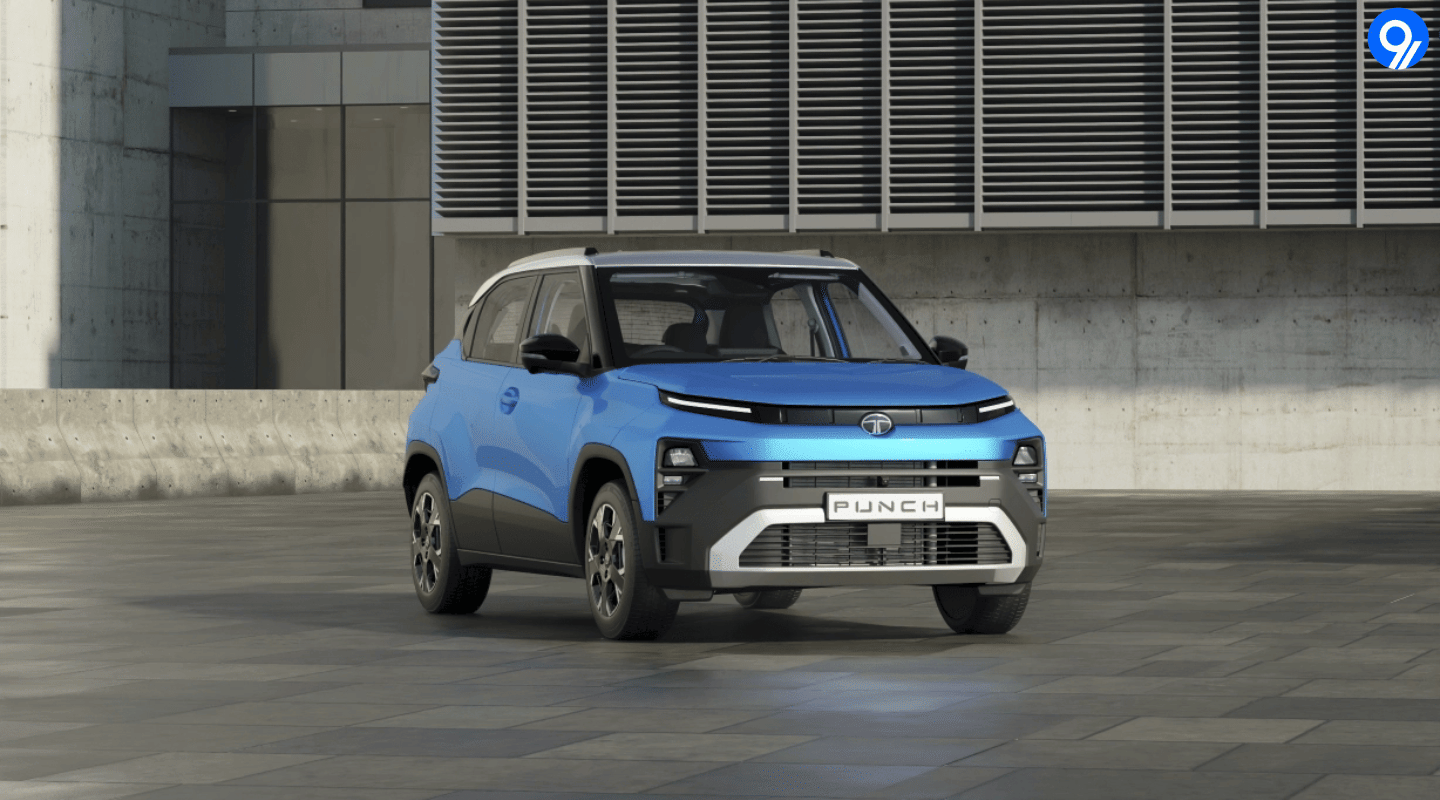
When it comes to design, Tata Punch clearly stood out with its upright bonnet and beefed-up side portions. The facelift has given it a much better road presence, and from a distance one cannot figure out whether this is a small car or a big one. The dual-tone colour options and 16-inch alloy wheels add a premium touch to it. Hyundai Exter also looks modern, but its recent update felt like an aftermarket styling change.
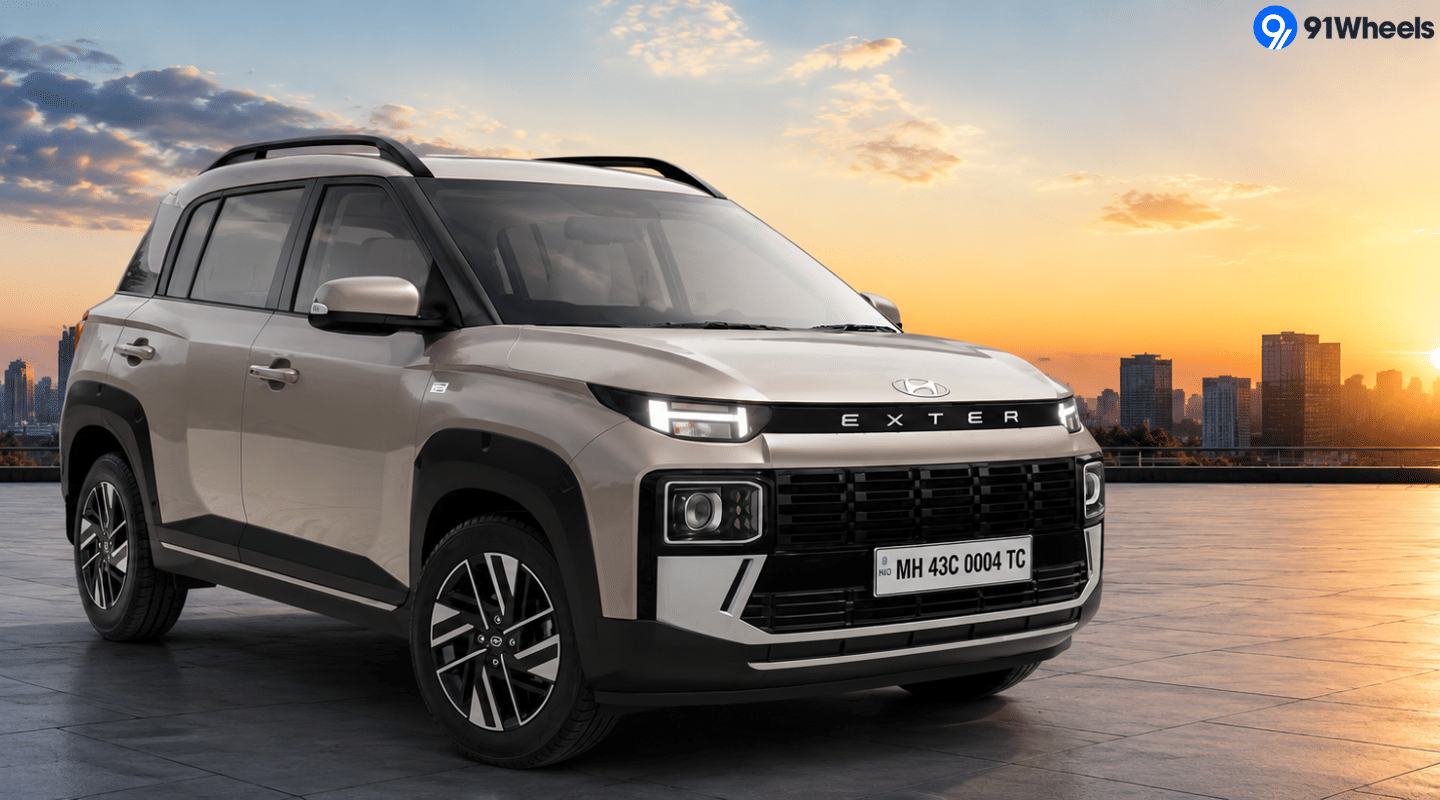
It reminds us of the i10 from all angles and doesn't have any distinctive profile, which is why people can't help but see it as a beefed-up Grand i10 Nios. The new updates do bring a fresh colour treatment and a bigger grille, which adds a fresh tone, but if both these cars are parked side by side, it's hard not to like the Punch.
Dimensions | Tata Punch | Hyundai Exter |
|---|---|---|
Length | 3876 mm | 3830 mm |
Width | 1724 mm | 1723 mm |
Height | 1615 mm | 1643 mm (With roof-rails) |
Wheelbase | 2445 mm | 2450 mm |
Ground Clearance | 193 mm | 185 mm |
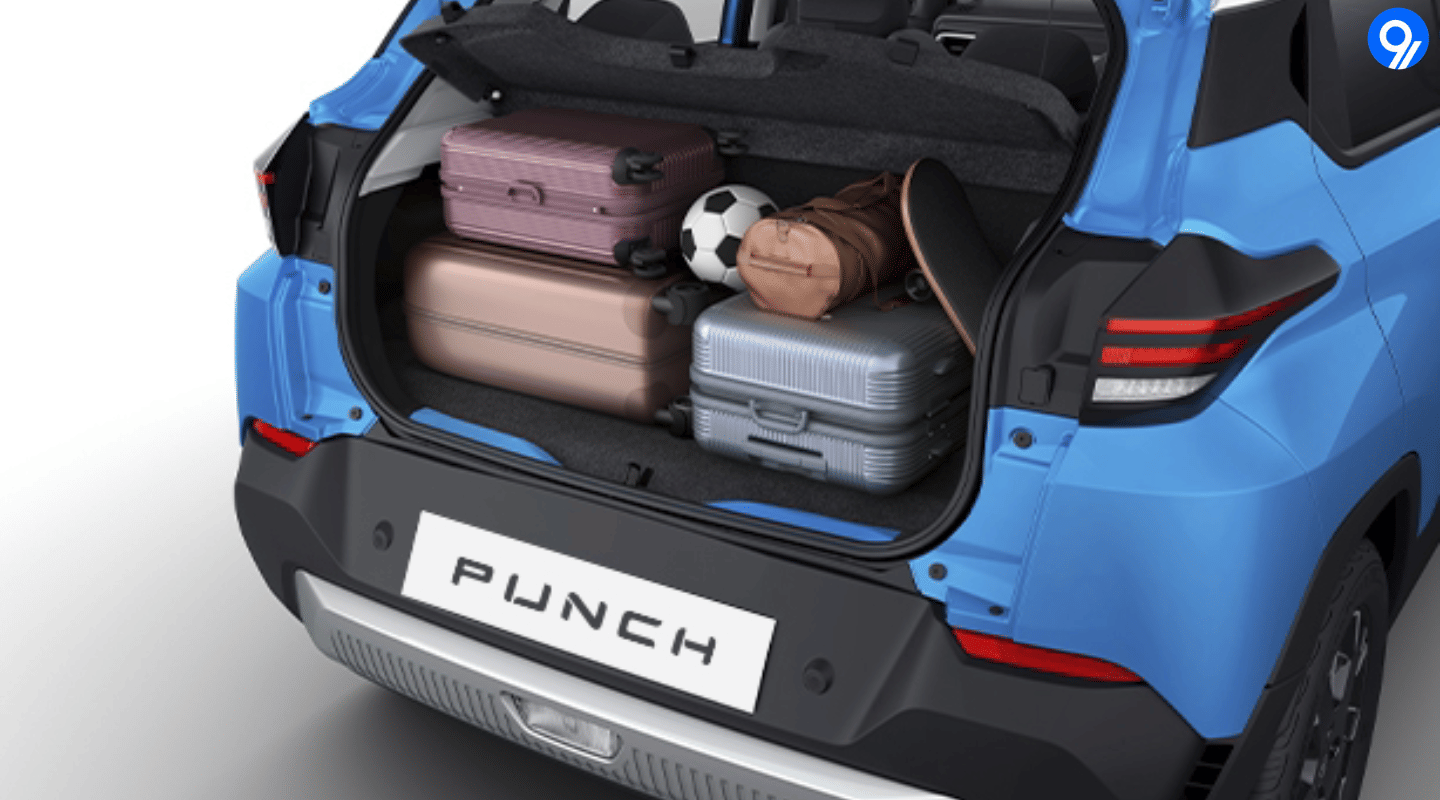
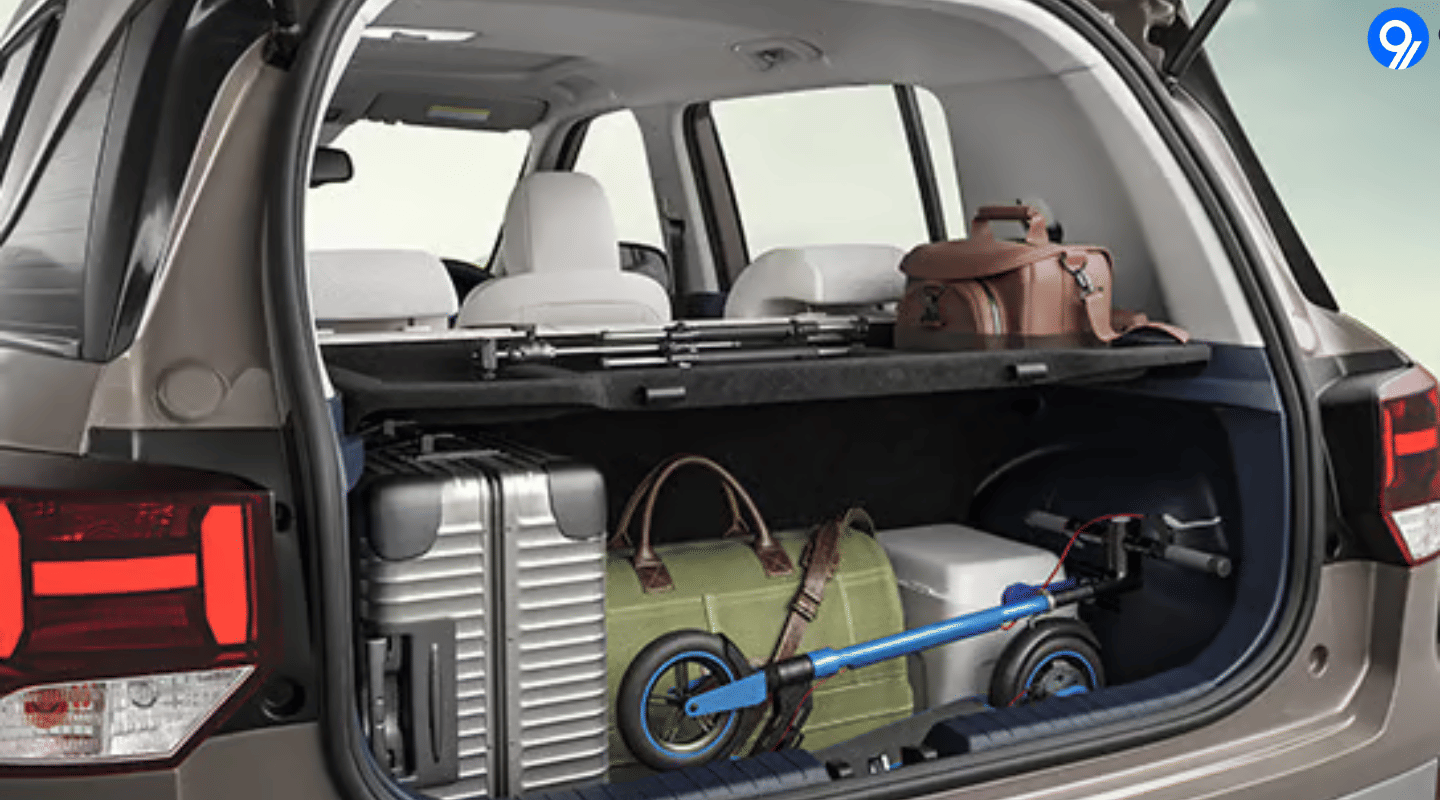
Boot Space | 366 L / 210 L (CNG) | 391 L |
Interior Features
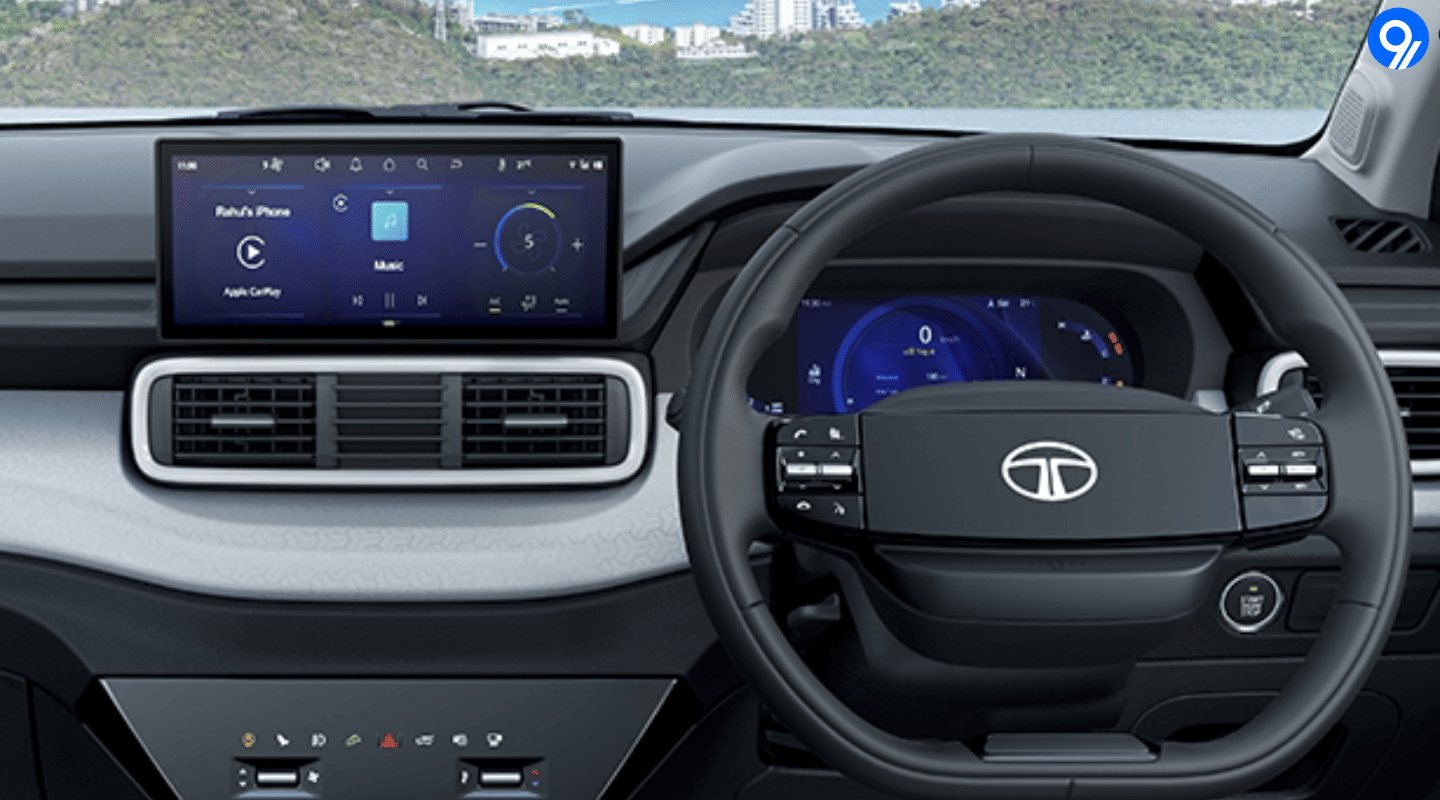
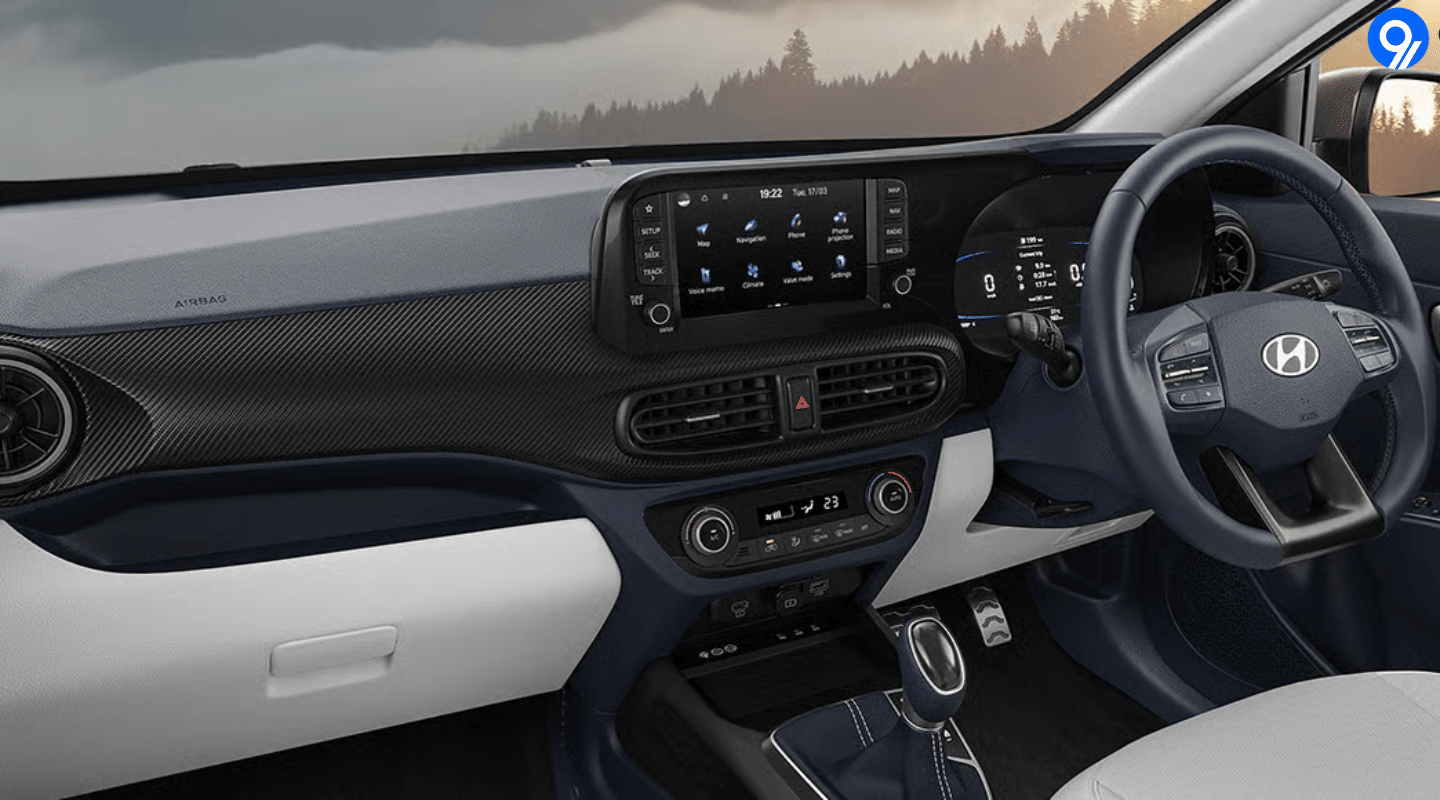
Again, the advantage goes to the Punch. It offers a larger 10.25-inch infotainment screen instead of an 8-inch unit, along with a 7-inch digital instrument cluster in place of a smaller 4.2-inch display. It also gets an air purifier, a more powerful 4-speaker, 4-tweeter audio system, and armrests for both front and rear passengers. In comparison, the Exter only gets a driver-side front armrest and misses out on a rear armrest altogether.
The Exter does have one advantage, though. Its semi-leatherette seat upholstery gives the cabin a more premium feel, while the Punch continues with fabric seats.
Safety Features
Both the cars cover fundamentals equally: 6 airbags, rear parking sensors, ABS with EBD, hill-hold assist, ESC, TPMS, auto-dimming IRVM and a rear defogger are standard on both.
Beyond this, each SUV offers something different. The Punch gets a 360-degree camera and blind-spot monitor, while the Exter features a built-in dashcam.
The bigger differentiator is crash test data. The Tata Punch facelift has secured a 5-star Bharat NCAP rating, scoring 30.58 out of 32 for adult occupant protection and 45 out of 49 for child occupant protection. The Hyundai Exter facelift has not been crash tested by Bharat NCAP yet, so there's no official safety rating to compare it against at this point.
Driving Features
The Punch offers Eco and City drive modes along with idle engine start-stop, both of which are absent on the Exter. Both cars offer paddle shifters on their respective AMT variants, cruise control, and a dual-cylinder CNG tank setup that keeps boot space usable rather than eating into it.
Verdict: Which One Should You Buy?
On paper, the Punch wins this comparison. Bigger screens, more lighting kit, a 5-star safety rating, drive modes, and the only turbo-petrol option in the segment, all while staying affordable across most trims.
On the other hand, the Exter's case is narrower: nicer seat upholstery, marginally better CNG mileage, a slightly bigger boot, and Hyundai's wider service network.
For most buyers, the Punch is the smarter buy. Pick the Exter only if CNG running costs, boot space, or staying within the Hyundai ecosystem matters more to you than everything else on the spec sheet.
Do you like this article?
Comments
No comments yet. Be the first to comment!