KEY HIGHLIGHTS
- Two-wheelers prices might go up because of this mandate
- ABS to Become Standard, and Buyers to Get Two BIS-Certified Helmets
- Read the full report to know its impact
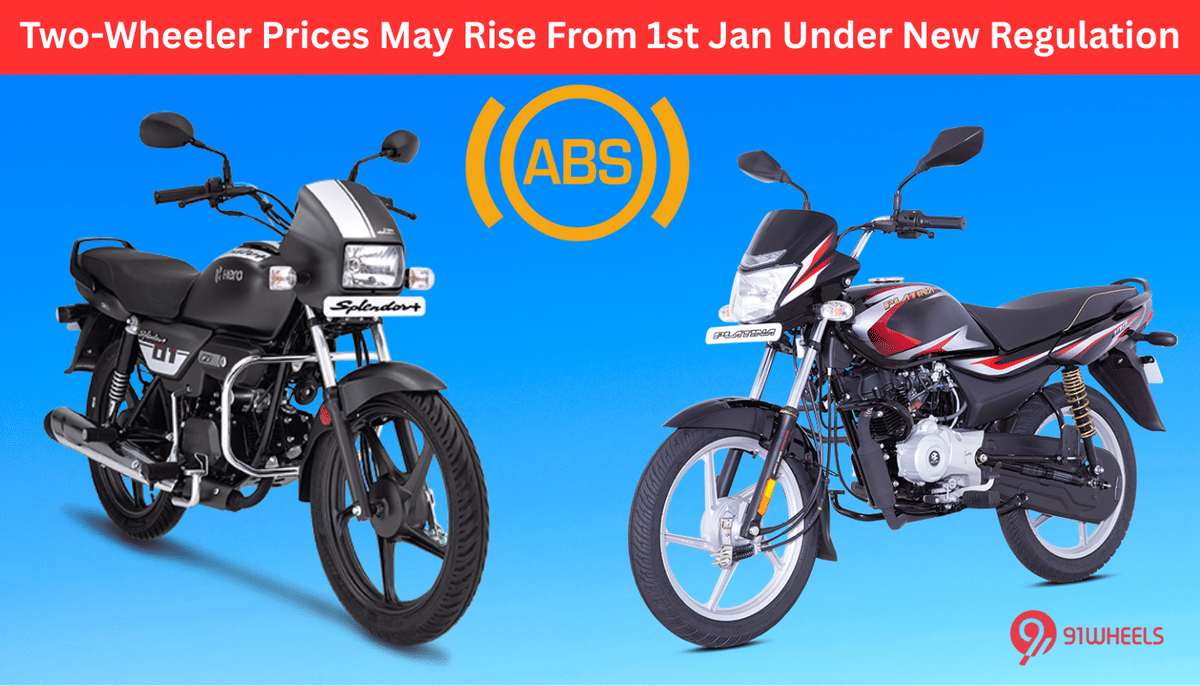
In June 2024, the Ministry of Road Transport and Highways issued a mandate stating that from January 1, 2026, all new two-wheelers sold in India must come equipped with ABS as standard, regardless of engine size -whether 100 cc or 125 cc. Additionally, buyers will receive two BIS-certified helmets at the time of purchase to ensure protection for both rider and pillion.
This mandate inevitably means manufacturers will have to increase prices, as the added safety equipment raises production and delivery costs. Let's take a closer look at how this rule will impact pricing - and before we do, make sure you join our 91Wheels Whatsapp Channel to stay updated with the latest automotive news.
Also Read: MY26 Kawasaki Z650RS Launched - Starts At Rs 7.83 Lakh
Safety Requirement Comes With Cost Implications
Under the new mandate issued by the Ministry of Road Transport and Highways, ABS - previously compulsory only on bikes above 125 cc - must now be installed on all new motorcycles and scooters regardless of engine size. At the same time, buyers will receive two certified helmets with their vehicle at the point of sale, ensuring both occupants are protected.
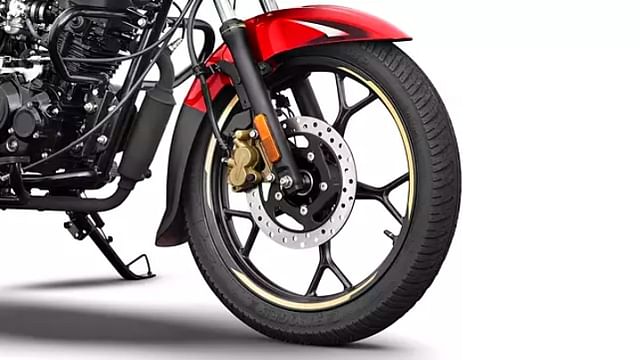
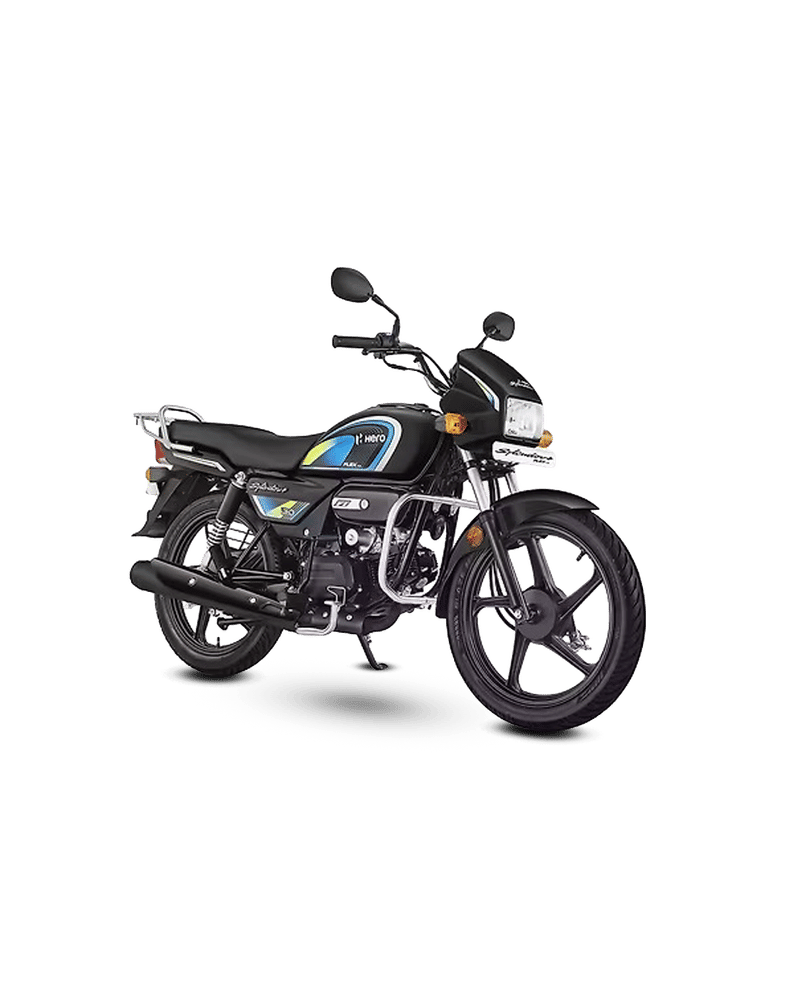
Industry analysts and recent reports suggest that adding ABS hardware and complying with the dual-helmet requirement will push up retail prices across the segment, particularly for entry-level models such as 100 cc bikes and basic scooters. Estimates indicate a potential increase of around Rs 3,000 - Rs 6,000 per unit, depending on the model and whether the manufacturer absorbs part of the cost or passes it on to the buyer.
Impact?
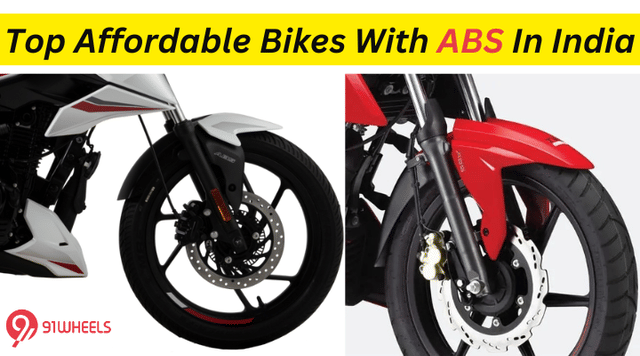
For millions of commuters who choose budget-friendly scooters and low-capacity motorcycles, even a modest price bump could influence purchase decisions in a market that is highly price sensitive. At the same time, safety advocates have welcomed the rule as a long-needed step toward reducing accidents and fatalities, given that ABS significantly improves braking performance and certified helmets enhance rider protection.
While the final notification and detailed implementation guidelines are expected soon, the overall impact is clear: two-wheelers will become safer - and slightly more expensive - from the start of 2026 as the industry adjusts to the new regulatory landscape.
Verdict
Straight away, this is a positive move and a step closer to making two-wheelers safer for everyone on the road. However, the price increase could influence buying decisions, as several entry-level bikes may see a hike of around Rs 5,000 to Rs 6,000. That said, some manufacturers may choose not to raise prices drastically, especially those aiming to maintain affordability for their customers. Ultimately, we'll have to wait and see how each automaker responds once the new regulation comes into effect.
Do you like this article?
Comments
No comments yet. Be the first to comment!


.png?w=240&q=40 "Best Bikes Under Rs 2 Lakh: 5 Top Picks From Sports to Adventure")